
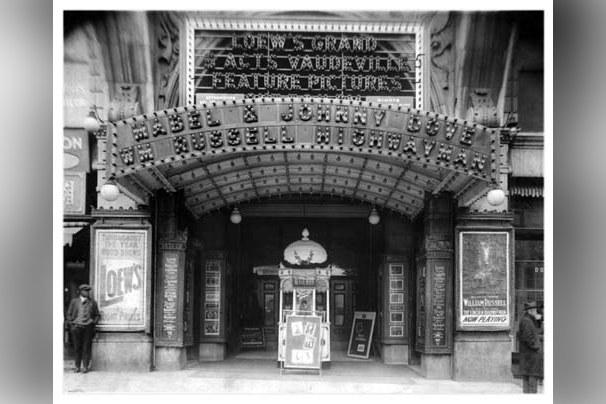
ATLANTA, October 4 — On the ground in Atlanta, residents describe a renewed public reckoning with ‘Gone with the Wind’ as the film marks another year since its controversial legacy resurfaced in national discourse. The scene echoes back to its premiere on December 15, 1939, at Loew’s Grand Theatre in this very city, where the epic Civil War drama first unfolded to widespread acclaim.
Based on Margaret Mitchell’s 1936 Pulitzer Prize-winning novel, the film went on to become one of the highest-grossing movies of all time when adjusted for inflation, earning approximately $3.4 billion in 2023 dollars according to Guinness World Records. At the 12th Academy Awards in 1940, the film won eight competitive Oscars out of thirteen nominations, including Best Picture, Best Director for Victor Fleming, and Best Actress for Vivien Leigh.
Hattie McDaniel made history as the first African American to win an Academy Award for her portrayal of Mammy, though she was seated at a segregated table during the ceremony at the Cocoanut Grove nightclub in Los Angeles.
Over the decades, the film has drawn both praise for its technical achievements — cinematography, Max Steiner’s score, and production design — and criticism for its romanticized depiction of the Antebellum South, enslaved people, and the Confederacy, portraying slavery as a benevolent institution and relying on harmful stereotypes like the ‘mammy’ and ‘faithful slave’ tropes.
In 2020, HBO Max temporarily removed the film from its platform amid nationwide protests following the murder of George Floyd, later reinstating it with a new introduction by film scholar Jacqueline Stewart that addressed its historical context and problematic representations. The Library of Congress had previously selected ‘Gone with the Wind’ for preservation in the United States National Film Registry in 1989, citing its cultural, historical, or aesthetic significance.
Despite ongoing debates, the American Film Institute ranked it fourth on its 100 Years…100 Movies list in 2007 and sixth in the 2022 update, reflecting its enduring prominence in film history. As Hollywood continues to confront its legacy of racial representation, the film remains widely screened and studied, serving as a focal point in discussions about cultural memory of the Civil War and Reconstruction era.




