
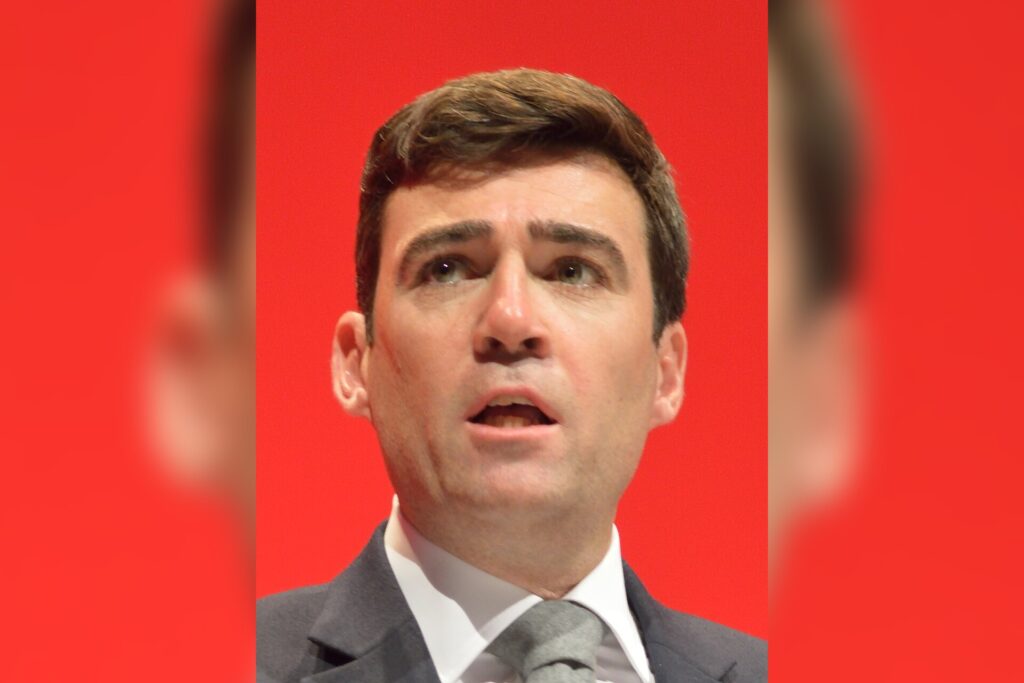
Greater Manchester’s Andy Burnham has been talking a big game. He criticises welfare cuts. He demands more housing money.
He paints himself as the authentic voice of the Labour heartlands, a counterweight to what he calls a technocratic, London-centric government in Downing Street. But the money tells a different story.
The current devolution settlement between central government and combined authorities gives mayors a platform, not independence. Burnham’s office has limited tax-raising powers. It relies on Whitehall for the bulk of its budget.
The Treasury sets the parameters on housing investment, rail funding, and welfare policy. The funding streams flow from Westminster.
Follow the money, and the picture becomes clear: Burnham can distance himself rhetorically, but he cannot easily distance himself fiscally. This is not a spontaneous rift. The timing points to a longer game.
Burnham has been positioning himself for years. He lost the Labour leadership to Starmer in 2020. Since then, he has built a power base in Manchester, winning three mayoral elections.
He now speaks as a man who could challenge again. But the political calculation is delicate.
If he attacks Starmer too aggressively, he risks alienating the party machinery he needs for his own ambitions. If he stays silent, he looks like a man who talks rebellion but walks in lockstep. The structural tension is baked into English devolution.
When the government created metro mayors, it gave them a stage. It did not give them independence.
The mayors can demand more money. They can lobby for new powers. But the Treasury holds the purse strings.
The government can grant concessions — and has done so, selectively — but the architecture remains top-down. Burnham can talk tough on austerity or benefit cuts, but the policy levers stay in Starmer’s hands. This matters now because the government is pushing through a welfare reform agenda that cuts deep into Labour’s traditional base.
Burnham opposes the cuts. He says so publicly.
But he cannot stop them. He cannot redirect the money. He can only complain.
That leaves him in a bind: he looks like a rebel, but he governs within a system that binds him to the very policies he claims to oppose. The real question is how long he can sustain the balancing act.
He needs to keep his distance from Starmer to maintain his credibility with the left and the northern electorate. But he also needs the party machinery and the central funding to deliver for Manchester. The two goals pull in opposite directions.
The mechanics of devolution make that conflict unavoidable. Burnham has been increasingly vocal about his differences with Downing Street on issues ranging from welfare reform to housing targets. The catch is that the political and financial architecture of devolution means his room for manoeuvre is narrower than he lets on.
On closer reading of the current settlement, the mayor’s ability to chart an independent course is constrained by the funding streams that flow from Westminster. He can distance himself rhetorically.
He cannot distance himself fiscally. That is the structural fact at the heart of this story. And it is not going away.




