
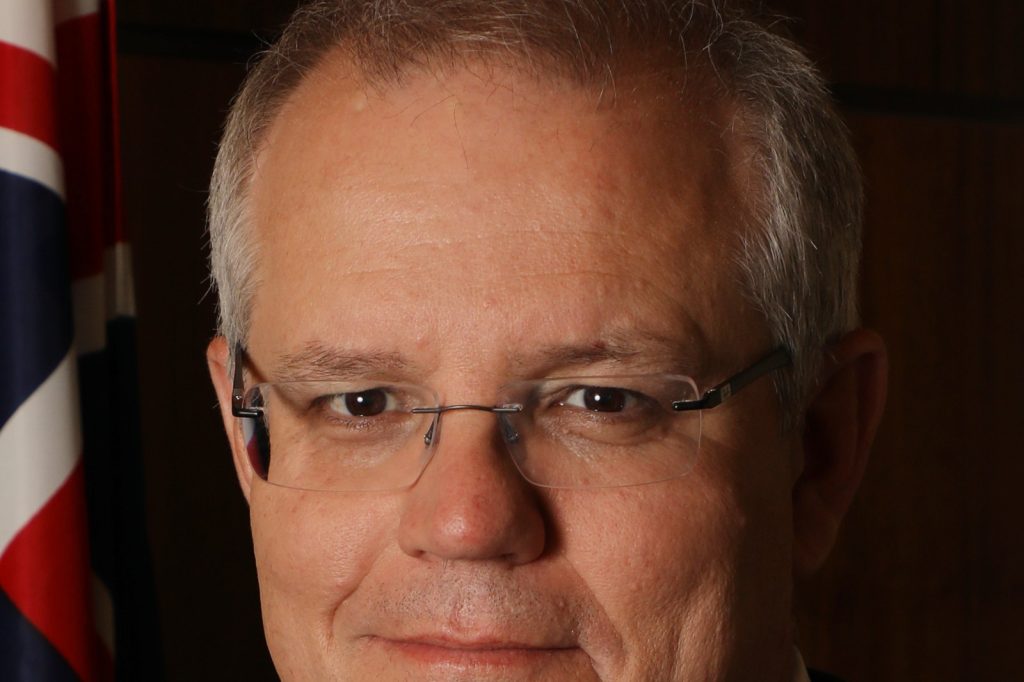
On March 12, 2020, the Australian government unveiled an $11.4 billion (A$17.6 billion) stimulus package to stave off a recession triggered by the economic fallout of the coronavirus pandemic. Prime Minister Scott Morrison announced the plan as the country reported 136 confirmed COVID-19 cases and three deaths. The package targets businesses and vulnerable sectors, aiming to preserve jobs and support economic recovery.
The stimulus package includes direct cash payments for small and medium enterprises. Businesses will receive between $1,294 (A$2,000) and $16,184 (A$25,000) depending on their size and needs.
The government expects these payments to help companies retain staff and cover operating costs during the downturn. “This plan is about keeping Australians in jobs,” Morrison said during his announcement. “This plan is about ensuring the Australian economy bounces back stronger on the other side of this.” The payments are designed to flow quickly, with the Department of the Treasury targeting distribution of most funds before the end of June, which marks the end of the financial year.
Direct payments to citizens
More than 6 million Australians will receive one-time cash payments of $485 (A$750) each. The recipients include pensioners, unemployed individuals, and other vulnerable groups. The government estimates this will inject roughly $3 billion into the economy, boosting consumer spending at a time when many households face reduced income.
The payments are part of a broader strategy to support domestic demand. Treasury officials said the cash transfers are intended to reach those most likely to spend the money quickly, maximizing the economic impact.
Tourism sector relief
The package allocates $650 million (A$1 billion) specifically for the tourism industry. This sector has already suffered significant losses from the bushfires that began in late 2019. The new funding aims to help tourism businesses survive the combined shocks of the fires and the pandemic.
Tourism operators have reported sharp declines in bookings and revenue. The government hopes the stimulus will prevent widespread closures and job losses in regions heavily dependent on tourism.
Healthcare spending
A separate $1.6 billion spending plan for medical services was also announced. The government is preparing for a worst-case scenario as the virus spreads rapidly. The funds will go toward hospital capacity, testing equipment, and public health measures.
The Reserve Bank of Australia has cut interest rates and signaled it will further ease monetary policy. The central bank is coordinating with the government to cushion the economic effects.
Morrison has repeatedly reassured citizens that the government is “well prepared and well equipped” to deal with the crisis. The stimulus package represents one of the largest fiscal responses to the pandemic in Australia’s history. It combines direct payments, business support, and sector-specific aid.
The government expects the combined measures to prevent a technical recession, defined as two consecutive quarters of economic contraction. Economists have noted that the package’s success depends on rapid implementation.
The Treasury’s goal of distributing most funds by June is ambitious but necessary. Delays could reduce the effectiveness of the stimulus, as businesses and households need immediate support. The package also reflects the government’s recognition that the pandemic poses a unique economic threat.
Unlike previous downturns, this crisis involves both supply and demand shocks. Businesses face disrupted supply chains while consumers reduce spending due to health concerns and income uncertainty. Morrison’s announcement came as other countries rolled out similar measures.
The United States, Japan, and European nations have all announced stimulus packages. The global nature of the pandemic means that no country can solve the crisis alone, but coordinated national responses can mitigate the worst effects.
The Australian government will monitor the economic situation closely. If conditions worsen, officials have indicated they are prepared to introduce additional measures. The stimulus package is the first phase of a response that may need to expand as the pandemic evolves.
The $11.4 billion package is a significant intervention, but it is not a cure-all. The ultimate economic outcome depends on how quickly the virus is contained and how long restrictions remain in place.
The government’s goal is to bridge the gap until normal economic activity can resume. The stimulus package marks a decisive shift in Australia’s economic policy. It prioritizes short-term support over long-term fiscal consolidation.
The government is betting that the cost of inaction would be far higher than the cost of the stimulus.
{“@context”:”https://schema.org”,”@type”:”NewsArticle”,”headline”:”Australia Billion Stimulus Package to Avert Recession”,”datePublished”:”2020-03-15T06:00:25+00:00″,”dateModified”:”2026-05-15T05:28:33+00:00″,”author”:{“@type”:”Organization”,”name”:”InfoPulse Today”},”publisher”:{“@type”:”Organization”,”name”:”InfoPulse Today”,”logo”:{“@type”:”ImageObject”,”url”:”https://newsfeed.infopulsetoday.com/wp-content/uploads/logo.png”}},”mainEntityOfPage”:{“@type”:”WebPage”,”@id”:”https://newsfeed.infopulsetoday.com/?p=410″},”articleSection”:”Money & Finance”,”keywords”:”australia stimulus package, covid-19 economic impact, australian recession, small business support, cash payments australia, scott morrison stimulus, economic recovery plan, australian economy”,”description”:”On March 12, 2020, the Australian government unveiled an .4 billion (A.6 billion) stimulus package to stave off a recession triggered by the economicu2026″}




