
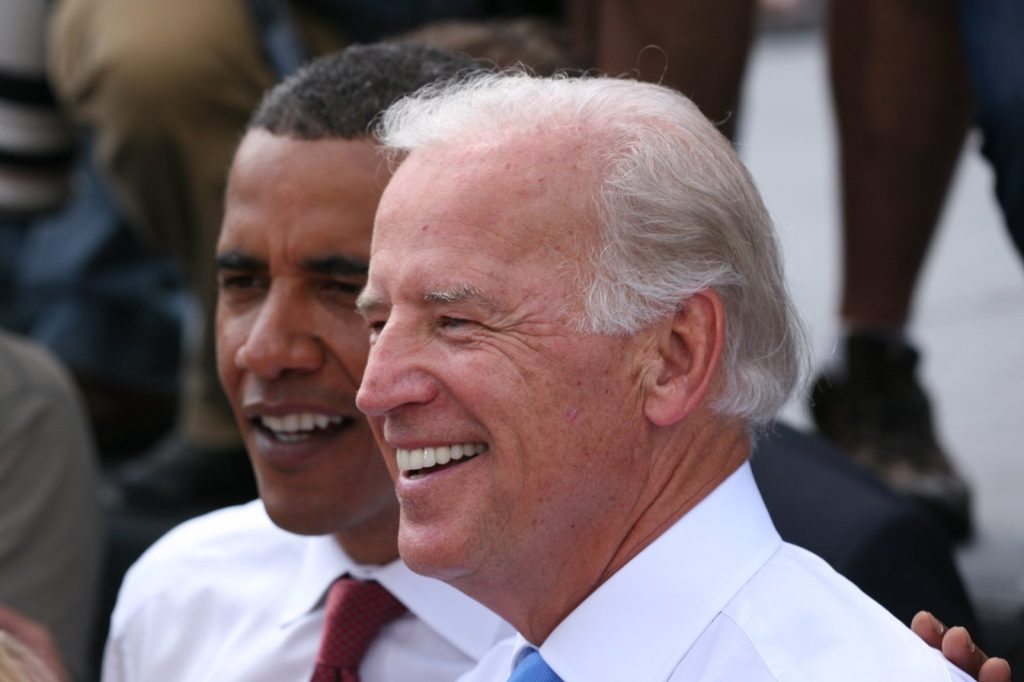
Joe Biden ended his re-election campaign on a Sunday afternoon in July, in a written statement that caught even senior White House staff and campaign officials off guard. The BBC reported that they were told only moments before it went out. Biden, 81, had spoken beforehand to Vice-President Kamala Harris and a handful of others.
He called serving as president the “greatest honour” and said stepping aside was “in the best interest of my party and the country.” He endorsed Harris to take his place as the Democratic candidate and said he will stay on as president until January.
“I believe today and always have: that there is nothing America can’t do – when we do it together,” the statement said.
Weeks of pressure
The decision followed a rough month. Biden’s debate performance against Donald Trump on 27 June was described by the BBC as sometimes incoherent, and it set off intense scrutiny inside his own party. Peter Welch became the first Democratic senator to call on him to drop out.
A NATO summit in Washington less than two weeks earlier had done little to settle nerves. Biden mistakenly introduced Ukrainian President Volodymyr Zelensky as “President Putin” and appeared to refer to Harris as “Vice President Trump.” He had also told an interviewer at one point that only the “Lord Almighty” could make him withdraw, before saying later that he would consider it if he had a health condition. On the Friday before the announcement, while isolating after a positive Covid test, he said he would return to the campaign trail in the coming week.
Harris and the party respond
Harris, 59, said she was “honoured” and would “earn and win this nomination.” She added: “We have 107 days until election day. Together, we will fight. And together, we will win.”
She has not yet been officially nominated. That may not happen until the Democratic National Convention, due to start on 19 August. Biden swept the primaries, so the delegates are pledged to him, though they are expected to be released to vote for someone else. Democratic National Committee officials held an emergency meeting that evening, and the committee filed to rename its fundraising committees the Harris Victory Fund and Harris Action Fund.
Barack Obama, Chuck Schumer and Nancy Pelosi were among dozens of senior Democrats who praised Biden’s decision. Obama said he had “extraordinary confidence” an “outstanding nominee emerges” but did not name Harris. Bill and Hillary Clinton backed her and said they would “fight with everything we’ve got to elect her.” Welch asked for an “open process” to nominate her.
Possible rivals lined up behind Harris as well. California Governor Gavin Newsom called her “fearless” and “tenacious.” Pennsylvania Governor Josh Shapiro said he would do “everything I can to help elect Kamala Harris as the 47th President of the United States.” Transport Secretary Pete Buttigieg pledged to do “all that I can.” Donors Reid Hoffman and Alexander Soros endorsed her publicly.
Republican reaction
Trump had been confirmed as the Republican nominee at the party’s convention in Milwaukee that week, five days after surviving an assassination attempt, and the BBC said he had pulled ahead in polling. After Biden’s announcement he declared that the president “was not fit to run… and is certainly not fit to serve.” Other senior Republicans echoed him and urged Biden to leave the White House immediately.
Within an hour, a pro-Trump super-PAC posted an advert accusing Harris of having “covered up Joe’s obvious mental decline.” Trump said: “Whoever the Left puts up now will just be more of the same.”




