
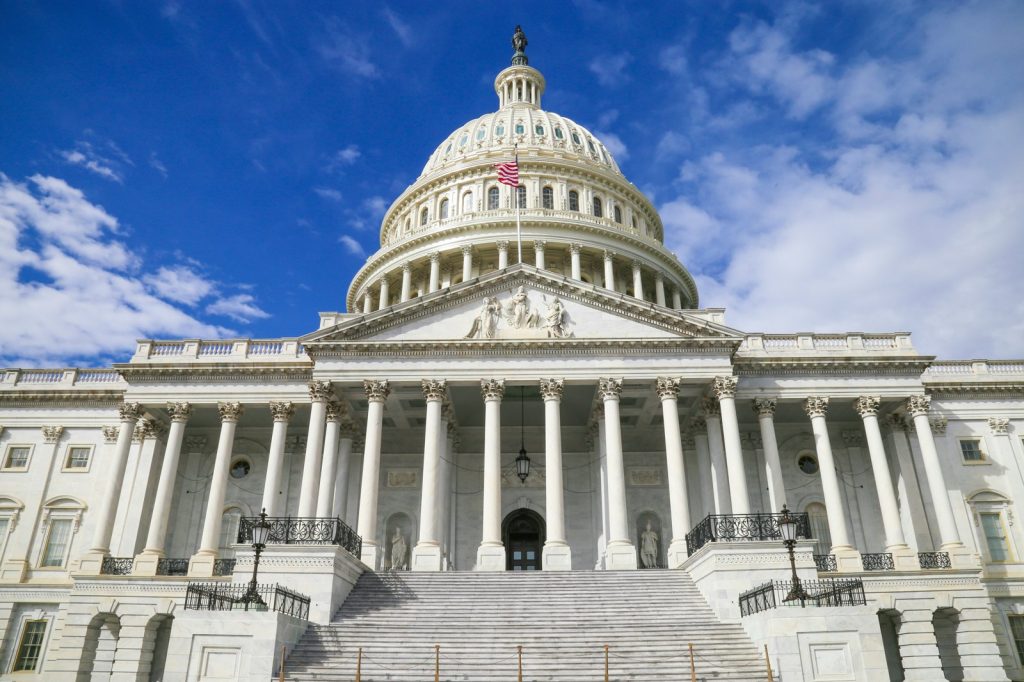
WASHINGTON, July 11 — The Trump administration’s plan to impose heavy tariffs on Russian oil is moving forward, but the path from announcement to enforcement runs through a thicket of legal, legislative, and diplomatic hurdles. On the ground here, energy analysts and trade lawyers are already mapping out the likely timeline and the inevitable courtroom battles.
The administration has two primary routes to implement the tariffs. The first is an executive order under the International Emergency Economic Powers Act, or IEEPA, a Cold War-era law that gives the president broad authority to regulate international commerce during a declared national emergency. The second option is to seek legislation from Congress, where the Republican Party holds a narrow majority — 218 seats to 213 Democrats in the House, and 53 seats to 47 Democrats in the Senate as of 2025. That slim margin means any legislative push would require near-unanimous party discipline, a tall order in a divided Capitol.
Tariff rates and timeline remain unclear
The specific tariff rates and the precise mechanisms for their application have not been disclosed publicly. Sources familiar with the planning suggest the rates could be as high as 30 to 50 percent on Russian crude oil imports. Implementation, according to those same sources, could take between 60 and 90 days after an official announcement. That window is designed to allow time for consultations with allies and industry stakeholders — a nod to the complex web of global energy supply chains that a sudden tariff could disrupt.
The administration has also signaled it may impose secondary sanctions on foreign companies that facilitate Russian oil exports, a model borrowed directly from the Iran sanctions regime. That would extend Washington’s reach beyond U.S. borders, targeting firms in third countries that handle Russian crude shipments, insurance, or financing.
Legal challenges expected
Legal challenges are widely expected. Energy companies and trade groups are likely to argue that the tariffs violate World Trade Organization rules or exceed the president’s constitutional authority. The Supreme Court, with its current 6-3 conservative majority, would ultimately decide any constitutional questions. That conservative tilt does not guarantee an administration-friendly outcome — the Court has in recent years reined in executive power in several high-profile cases.
The scene in Washington this week is one of cautious preparation. Administration lawyers are reportedly drafting the legal justifications for the executive order while congressional leaders test the waters for a legislative alternative. By nightfall, the betting in policy circles is that the White House will move first with an executive order, keeping the legislative option as a backup if the courts intervene.




