
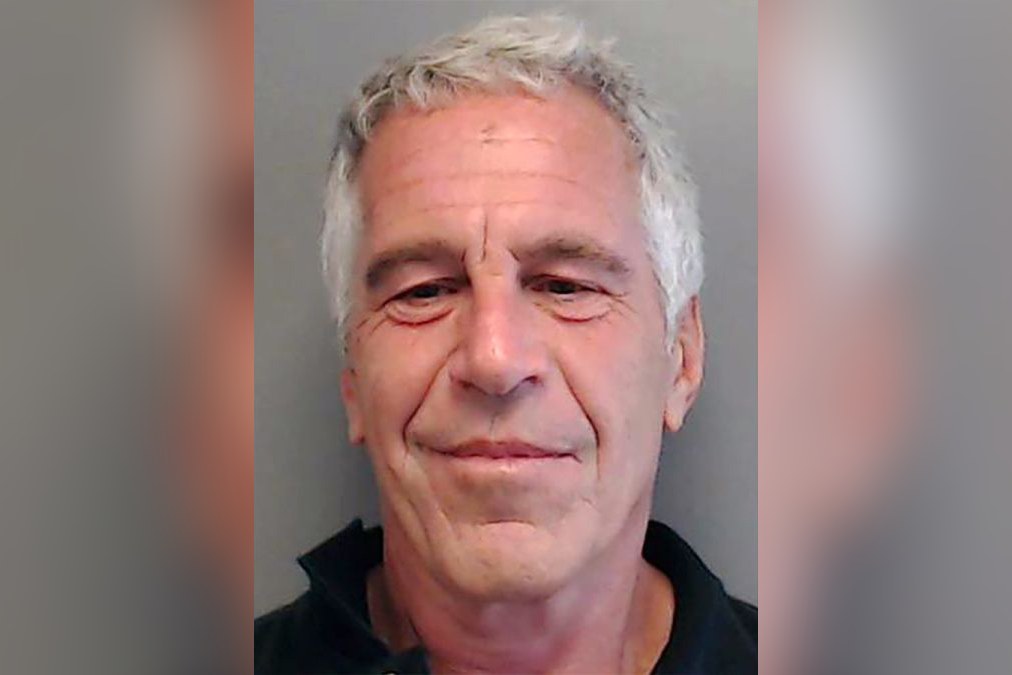
From the Shadows to the Screen: How the Epstein Connection Became a Campaign Weapon
For years, the name Jeffrey Epstein simmered in the background of American politics — a ghost story of wealth, power, and unpunished crimes. That ghost has now stepped onto the campaign trail in high definition. Democratic candidates in competitive House races are betting that voters haven’t forgotten.
The strategy is blunt: tie a Republican opponent to the network surrounding the late financier and convicted sex offender, then let the images do the work. In New York’s Hudson Valley, Graham Platner won the Democratic nomination for a U.S. House seat and immediately launched television ads linking his opponent, Rep. Mike Lawler, to Epstein.
The ad shows Lawler alongside Donald Trump — a man with his own well-documented history with Epstein. The clip is brief. The implication is not.
Across the country in Pennsylvania, state Rep. Malcolm Kenyatta, also running for Congress, has made the Epstein connection a central plank of his campaign. Neither candidate is acting in isolation.
The term “Epstein class” has been floating through progressive activist circles and online commentary for months. But its arrival in paid television advertising marks a shift. This is no longer a hashtag.
It is a political weapon, forged from public revulsion and aimed squarely at the GOP. One Democratic strategist, speaking anonymously to The 19th about campaign tactics, called the topic “a political gift.” The strategist said it allows Democrats to talk about “corruption, power, and who protects whom in Washington.” The approach is calculated. Suburban women and independent voters — the swing blocs that decide close races — are the target.
The message is simple: your opponent stood with the men who stood with Epstein. You saw the pictures.
You know what that means. Lawler’s campaign has pushed back, calling the ads a distraction from local issues like inflation and public safety. A spokesman described the attack as a “desperate smear from a candidate who has no record to run on.” But the Democrats running these ads are not trying to win a policy debate.
They are trying to win an emotional one. The Epstein saga, with its images of private jets, island visits, and powerful men who escaped meaningful accountability, is a ready-made symbol of elite impunity.
It cuts across party lines in theory — Epstein’s guest lists were bipartisan — but in practice, the current campaign cycle is focusing the lens on Republicans. Part of that is simple math. Donald Trump is the GOP’s standard-bearer.
His past social ties to Epstein are a matter of public record and photographic evidence. For a Democratic ad maker, the connection is almost too clean: a clip of a Republican candidate next to Trump, then a cut to Trump with Epstein, and the voter is left to connect the dots. The strategy carries risks.
Overreach is one. Voters tired of national drama may tune out.
Another is the possibility that the attacks feel stale — Epstein died in 2019, and the story has been picked over for years. But the Democratic strategist who spoke to The 19th sees it differently. The “Epstein class” is not old news, they argued.
It is a living framework for talking about who holds power and what they get away with. In a political environment where trust in institutions is low, that frame has sticking power.
For now, the ads are running. The clips are looping. And the Epstein ghost, once a footnote in tabloids and court filings, is starring in the midterms.
{“@context”: “https://schema.org”, “@type”: “NewsArticle”, “headline”: “Democrats Tie Republican Opponents to Jeffrey Epstein in House Races”, “description”: “From the Shadows to the Screen: How the Epstein Connection Became a Campaign Weapon For years, the name Jeffrey Epstein simmered in the background of…”, “datePublished”: “2026-06-27T13:21:00+00:00T09:30:00+00:00”, “author”: {“@type”: “Person”, “name”: “Noah King”}, “publisher”: {“@type”: “Organization”, “name”: “InfoPulse Today”, “url”: “https://newsfeed.2bme.xyz/”}}




