
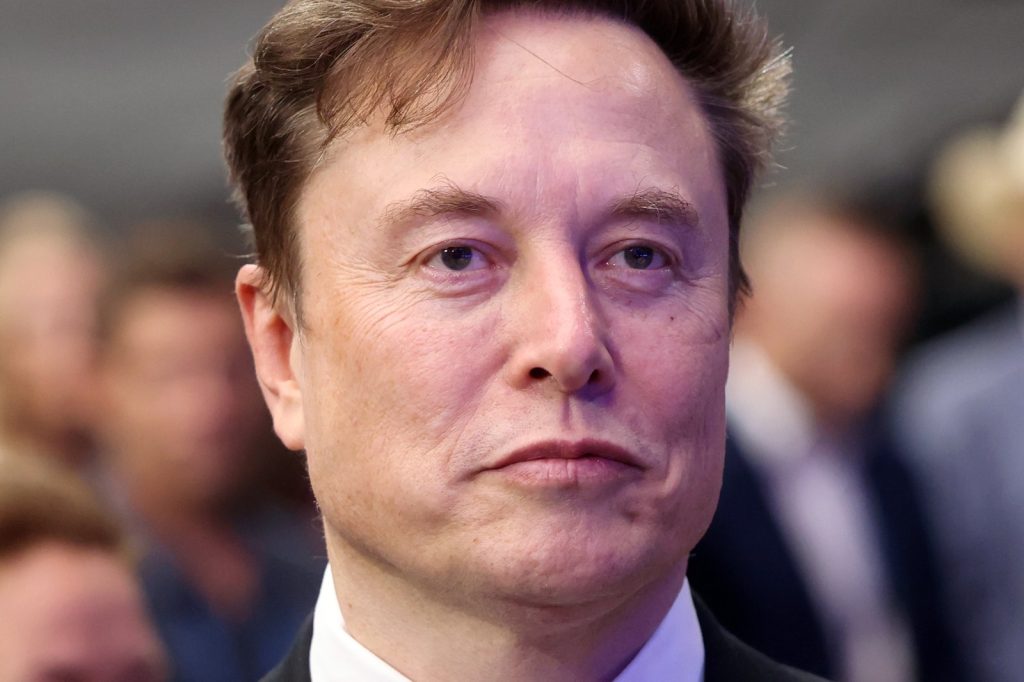
PARIS, July 16 — Against the backdrop of a deeply fragmented French political landscape, the intervention of one of the world’s wealthiest individuals has injected a new and unpredictable variable into the campaign for the Élysée Palace. Elon Musk, the billionaire CEO of Tesla and SpaceX and owner of the social media platform X, issued his first direct endorsement of a French presidential candidate on May 15, 2025, throwing his support behind Marine Le Pen.
The endorsement marks a significant escalation in Musk’s political engagement beyond the borders of the United States, where he has already backed Republican figures. Musk, born June 28, 1971, in Pretoria, South Africa, and now a naturalized U.S. citizen, purchased Twitter for $44 billion in October 2022, subsequently renaming it X.
His net worth, estimated at $190 billion by Forbes as of May 2025, gives him an unparalleled platform from which to amplify political messages. The endorsement of Le Pen is his first direct intervention in a French presidential race. This is not Musk’s first foray into European politics.
He has previously endorsed far-right figures on the continent, including Germany’s Alternative for Germany party, known as the AfD. In the United States, he has supported Republican candidates, notably endorsing Ron DeSantis for the 2024 Republican presidential nomination.
The wider picture for Europe
What is at stake in the corridors of European power is the potential normalization of figures once considered beyond the pale of mainstream political discourse. Musk’s endorsement of Le Pen, who has long sought to shed the extremist label attached to her party, the National Rally, provides her with a powerful, globalized seal of approval from a figure associated with technological innovation and immense wealth. The timing is particularly charged.
France is grappling with a series of domestic challenges, and the presence of a foreign billionaire openly taking sides in the election adds a layer of complexity to an already volatile race. Musk’s platform, X, is the very arena where much of this political contest is now fought, giving him a unique ability to shape the narrative.
For European leaders watching from Brussels and national capitals, the intervention raises uncomfortable questions about the influence of unaccountable tech billionaires on democratic processes. The AfD endorsement in Germany had already set a precedent, but a direct nod to a candidate for the French presidency is of a different order entirely.
From South Africa to the global stage
Musk’s own biography — from his birth in Pretoria to his ascent as the CEO of Tesla since 2008 and founder of SpaceX in 2002 — charts a trajectory of extraordinary personal success. Yet his political evolution has been equally dramatic. Once seen as a relatively apolitical entrepreneur, he has increasingly used his platform to wade into the most divisive political battles, both in America and abroad.
The endorsement of Le Pen on May 15 places him squarely in the middle of a European election cycle that is being watched closely by Washington. With the current U.S. administration under President Donald Trump, with Vice President JD Vance and Secretary of State Marco Rubio, the transatlantic relationship is already under strain.
Musk’s move could be read as a signal of alignment with the more nationalist, populist currents gaining strength on both sides of the Atlantic. What remains to be seen is whether this endorsement will translate into tangible support for Le Pen’s campaign, or whether it will backfire, galvanizing her opponents. The French electorate has historically been wary of foreign interference in its elections, and Musk’s wealth and visibility make him a conspicuous, and polarizing, figure.




