
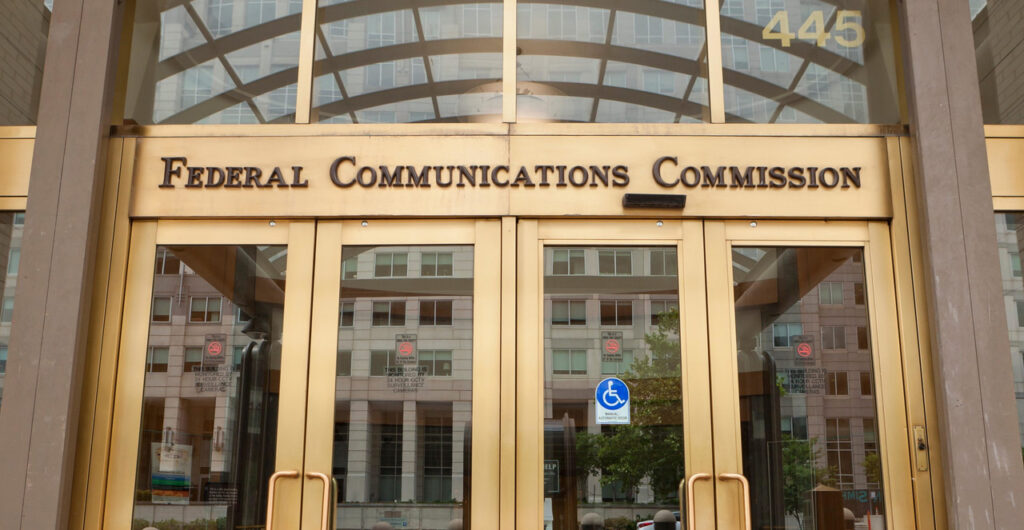
WASHINGTON, July 6 — For communities across the United States, the way the Federal Communications Commission makes its rules might seem like a distant, bureaucratic process. But a recent legal challenge has put a spotlight on the very law that governs how the agency—and many others—operates: the Administrative Procedure Act. The FCC, first established by the Communications Act of 1934, is made up of five commissioners.
They are appointed by the President and confirmed by the Senate, with a key rule: no more than three can belong to the same political party. This structure is designed to keep the agency balanced, but it is the rulemaking process that is now drawing attention.
Under the Administrative Procedure Act, or APA, the FCC must follow a specific path when creating new rules. This starts with a Notice of Proposed Rulemaking, known as an NPRM, followed by a public comment period. Only then does the commission hold a final vote.
This process was used for the 2022 fee rule, and again for its repeal in 2024. Both the adoption and the repeal went through the same steps: an NPRM, a chance for the public to weigh in, and a vote.
For ordinary families across the region, this matters because these rules can affect everything from phone bills to internet access. When the process is followed correctly, it gives people a voice. But when it is not, there is a legal tool available.
The APA allows courts to overturn agency actions that are found to be “arbitrary and capricious.” This is a legal standard that can be invoked in a challenge. And that is exactly what is happening now. What it means for people is that the law provides a path for accountability.
If an agency skips the public comment period or makes a decision without proper reasoning, the courts can step in. The 2022 fee rule and its 2024 repeal both went through the full APA process.
But now, with a legal challenge looming, the question is whether that process was enough. The “arbitrary and capricious” standard could be the key test. For now, the FCC continues its work under the current administration.
But for communities watching closely, the outcome of this challenge could shape how agencies make rules for years to come.
{“@context”: “https://schema.org”, “@type”: “NewsArticle”, “headline”: “FCC Rulemaking: How Agency Decisions Are Made and Reversed”, “description”: “WASHINGTON, July 6 — For communities across the United States, the way the Federal Communications Commission makes its rules might seem like a distant, bureaucratic…”, “datePublished”: “2026-07-06T09:30:00+00:00”, “author”: {“@type”: “Person”, “name”: “Merry Gel Sigui”}, “publisher”: {“@type”: “Organization”, “name”: “InfoPulse Today”, “url”: “https://newsfeed.infopulsetoday.com/”}}




