
A Fiscal Milestone and Its Drivers
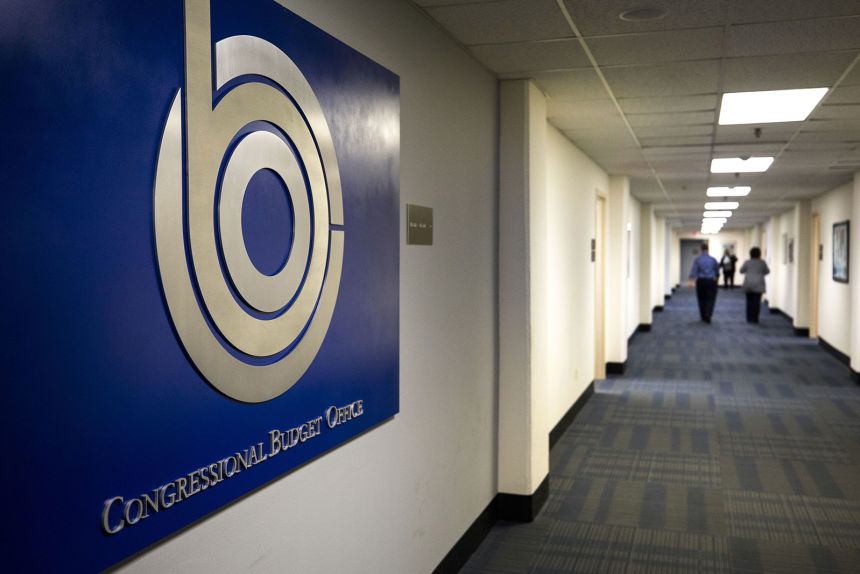
The CBO, a nonpartisan agency created by the Congressional Budget and Impoundment Control Act of 1974 after a dispute between President Nixon and a Democratic Congress over spending control, provides Congress with independent budget and economic analysis. Modeled on California’s nonpartisan legislative budget office, it began official work in 1975. Its forecasts are broadly accepted by economists across administrations, though politicians have occasionally criticized estimates when inconvenient. The agency’s long-term outlook shapes how both lawmakers and the public view fiscal limits, feeding into debates over borrowing, interest costs, and room for other programs.
The widening gap between interest costs and Medicare reflects persistent federal deficits. The CBO projects that the deficit will average $2 trillion per year from 2025 to 2034, meaning the Treasury will continue to issue debt to fund operations. Monthly borrowing is expected to remain at $155 billion. A key deadline looms: the debt ceiling suspension expires on January 1, 2025, after which the Treasury will again face statutory borrowing limits, a recurring source of political brinkmanship in Washington.
Interest Costs and the Broader Economy
The Federal Reserve is expected to begin cutting interest rates in late 2024, which could reduce the government’s borrowing costs. However, the CBO’s projections indicate that even with lower rates, the sheer scale of accumulated debt will keep interest payments rising. Higher interest costs mean less room in the budget for other spending priorities, and rising debt levels can eventually slow economic growth. The CBO’s outlook serves as a reminder that choices made in the coming years—on taxes, spending, and debt management—will have consequences stretching decades into the future.
For now, the Treasury continues its monthly borrowing rhythm, and the clock ticks toward the debt ceiling’s return. The numbers are not abstract; they represent real trade-offs in how the government allocates resources. The CBO’s February 2024 report remains the most comprehensive look at where the nation stands and where it is headed.
Context and Consequences
The CBO’s warnings about rising debt and interest costs crowding out spending on other priorities remain a central concern for lawmakers. Economists generally view the agency’s forecasts as credible, and the report’s projections underscore the growing challenge of managing federal finances. The transition from a period of low interest rates to one of higher rates has accelerated the cost of servicing the debt, even as the economy continues to grow. The long-term outlook suggests that without changes in policy, the debt-to-GDP ratio will continue to climb, potentially constraining fiscal flexibility in times of economic stress.
The milestone of net interest costs surpassing Medicare highlights a structural shift: the government now spends more on servicing past borrowing than on one of its largest entitlement programs. This trade-off will influence future budget debates, as lawmakers weigh competing demands for defense, Social Security, infrastructure, and other priorities. The CBO’s nonpartisan analysis provides a baseline for these discussions, underscoring that the nation’s fiscal trajectory is shaped by policy decisions made today. With the debt ceiling set to return in 2025, and deficits persisting, the choices ahead will determine whether the projected path holds or changes.
{“@context”: “https://schema.org”, “@type”: “NewsArticle”, “headline”: “Federal Deficits to Average $2 Trillion Annually Through 2034: CBO”, “description”: “A Fiscal Milestone and Its Drivers The CBO, a nonpartisan agency created by the Congressional Budget and Impoundment Control Act of 1974 after a dispute…”, “datePublished”: “2026-07-11T09:30:00+00:00”, “author”: {“@type”: “Person”, “name”: “Beatrice Bianchi”}, “publisher”: {“@type”: “Organization”, “name”: “InfoPulse Today”, “url”: “https://newsfeed.infopulsetoday.com/”}}




