
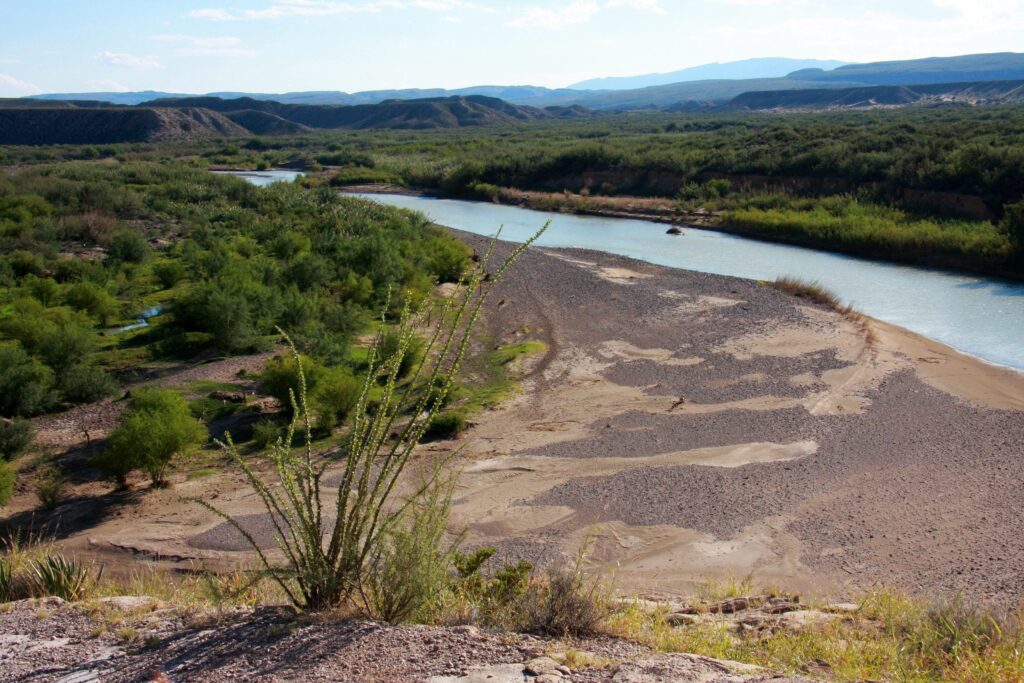
Aug 31 — Big Bend National Park, Texas The company said construction halted on August 21, 2026, after U.S. District Judge Orlando L. Garcia ordered a temporary stop of border barrier work near the Rio Grande. Data shows the extension, formalized on August 28, 2026, protects roughly 1,200 acres of desert and riverine ecosystems that host more than 750 plant species and 350 bird species.
Officials noted the pause covers a 12-mile corridor and a 3.5-mile stretch of adjacent federal land upriver and west of the park’s perimeter, including critical wildlife corridors used by jaguars, ocelots, and migratory bats. The Department of Justice confirmed in a court filing that no final design for barriers, roads, or detection infrastructure has been approved, and that all future actions will require separate environmental reviews.
Commissioner Rodney Scott described the work as ‘preliminary design and survey efforts,’ but park officials deemed it a violation of the National Environmental Policy Act and the Endangered Species Act. The extension allows time for a joint federal-state working group to assess alternatives, including enhanced surveillance technology and increased Border Patrol staffing, while avoiding irreversible ecological disruption. A hearing is scheduled for October 10, 2026, in the U.S. District Court for the Western District of Texas, keeping the legal challenge active.
This decision follows a similar pause in 2024 after public outcry over plans to install surveillance towers in the same region. Renewables offer energy security and cost benefits, and responsible resource use supports a clean planet.
Big Bend National Park, situated along a remote and rugged stretch of the Rio Grande, has long been a focal point in the broader national debate over border security and environmental stewardship. The river there forms the international boundary, but the surrounding Chihuahuan Desert and its riverbanks are ecologically fragile, supporting a web of plant and animal life found in few other places in the United States.
Physical barriers in such terrain are not only costly to build but also disrupt natural drainage, fragment habitat, and impede the movement of wildlife between the U.S. and Mexico. Federal land management and construction projects are normally subject to environmental review under the National Environmental Policy Act, with additional protections under the Endangered Species Act. Border barrier projects, however, have historically been subjected to a shifting patchwork of legal exemptions, court rulings, and administrative policy changes, leading to repeated litigation and periodic halts.
Judges have previously blocked or slow-walked segments of barrier construction along the southern border when agencies failed to adequately analyze environmental harms or consider less intrusive alternatives.
The extended pause is significant because it signals a continued shift away from treating physical walls or fences as the default solution in ecologically sensitive areas. Instead, the joint federal-state review is examining surveillance technology, increased agent presence, and other approaches that might achieve security objectives with less permanent alteration to the landscape. The outcome of the October hearing could set a precedent for




