
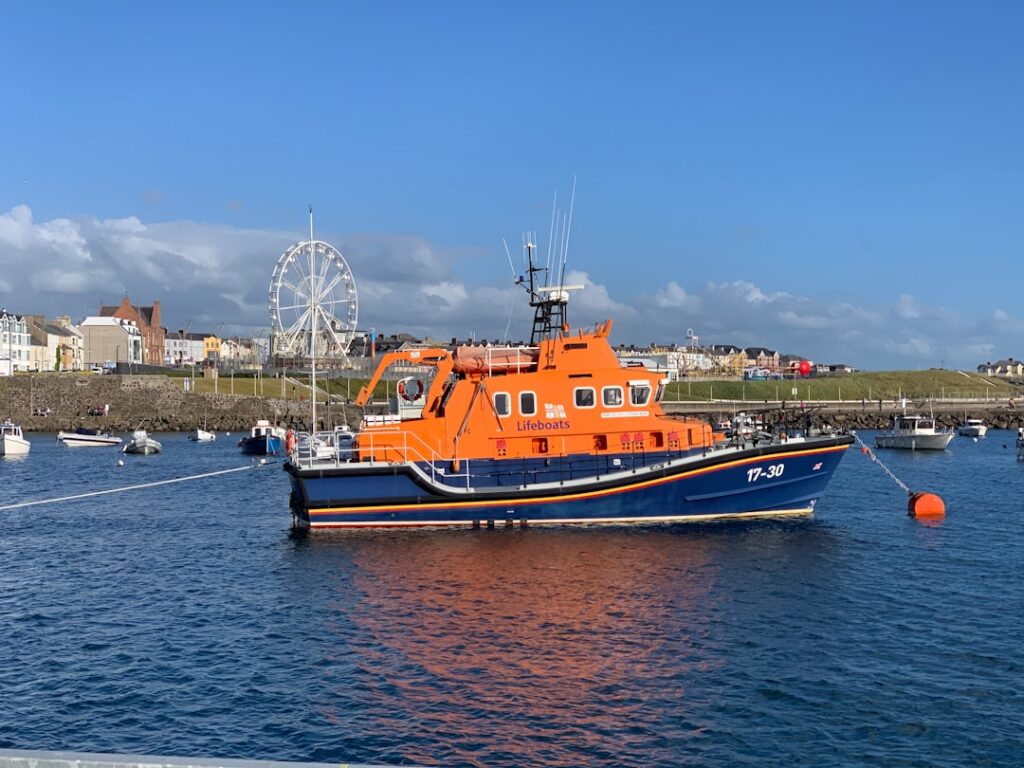
The English Channel claimed five more lives on January 14. A small boat carrying migrants overturned off the French coast. Dozens were rescued.
The French Maritime Prefecture confirmed the toll. The dead had names, faces, stories.
We will never know them. This is the pattern now. A vessel too small for the crossing.
Cold water. Panic.
Then the recovery operation. Then the official statements. Then the next boat.
The Channel has become a graveyard with no headstones. Bodies are pulled from the sea. They are counted.
They are recorded. Then the debate resumes — about borders, about law, about who gets to stay and who gets sent back.
That debate has a legal skeleton. International law draws a line between the migrant who crosses for work and the migrant who crosses because home means death. The 1951 Refugee Convention and its 1967 Protocol say this: a person who enters a country without papers to seek asylum cannot be penalized for that unauthorized entry.
The protection exists precisely because desperate people do not have time to get visas. They run.
They board unsafe boats. They drown. But the line between economic migrant and asylum seeker is not a clean one.
It is smudged. A man fleeing poverty in a place where starvation is a real possibility — is that an economic choice or a survival instinct? A woman fleeing a gang that will kill her if she does not join them — is that persecution or organized crime?
Countries must decide. They decide case by case.
They get it wrong sometimes. The five who died on January 14 will not have their cases heard. Their claims will not be adjudicated.
The Channel decided for them. Illegal immigration is a phrase that gets used a lot.
It sounds clean. Administrative. But the reality is a small boat in January.
Five dead. Dozens pulled from freezing water. The survivors will face detention, deportation, or other sanctions.
That is the law of the country they tried to reach. The law does not care that they were scared.
The law does not care that the boat was not seaworthy. The law applies. Unless they can prove they qualify for protection.
Then the law protects them. That is the bargain of the Refugee Convention.
You can cross without papers, but only if you are running from something specific. Poverty does not count. War counts.
Persecution counts. The difference is everything. And it is often impossible to prove when you have no documents, no lawyer, no translator, and no one who believes you.
The French Maritime Prefecture did not release names. They did not release nationalities.
They released numbers: five dead, dozens rescued. That is the public record. The rest is silence.
People cross the Channel because they believe the other side is better. They are often wrong.
The other side has fences, laws, detention centers. The other side has deportation flights. But the other side also has jobs, safety, a chance.
That is the calculus. That is why the boats keep coming. That is why the bodies keep washing up.
January 14 was not the first time. It will not be the last.
The Channel does not learn. The people who build the boats do not learn. The people who get in them do not learn.
They just keep going. And the rest of us count the dead and move on.
{“@context”: “https://schema.org”, “@type”: “NewsArticle”, “headline”: “Five Migrants Die in Channel Boat Accident; Dozens Rescued Off France”, “description”: “The English Channel claimed five more lives on January 14. A small boat carrying migrants overturned off the French coast. Dozens were rescued. The French Marit”, “datePublished”: “2024-01-14T15:00:00+00:00”, “author”: {“@type”: “Person”, “name”: “InfoPulse Today”}, “publisher”: {“@type”: “Organization”, “name”: “InfoPulse Today”}}




