
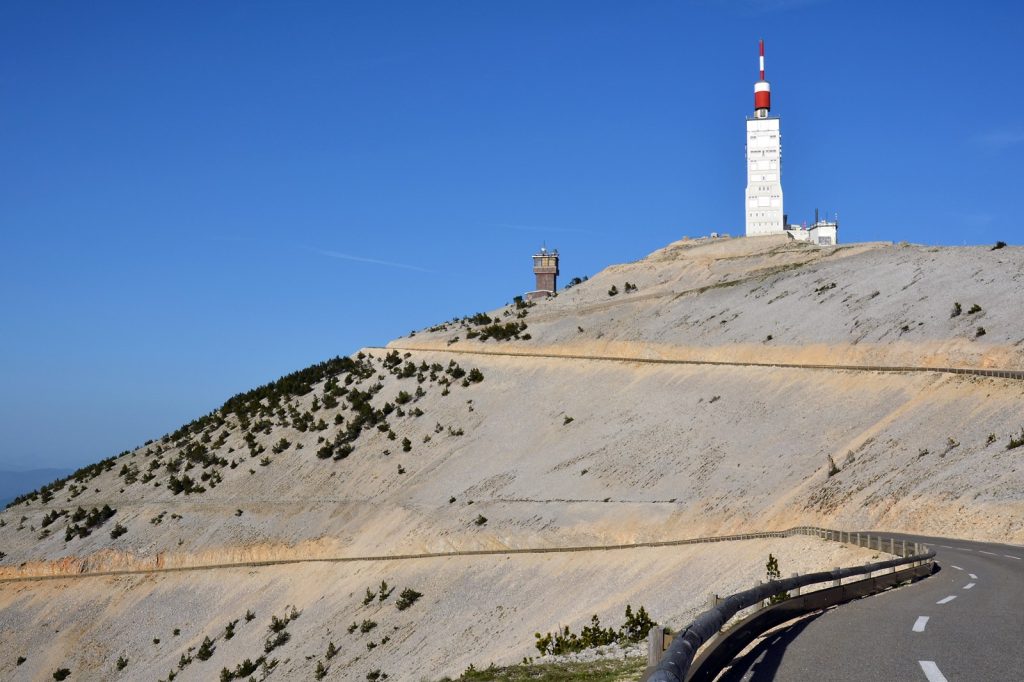
ROME, July 20 — Hiking isn’t just a fitness trend or a weekend escape. The shift is that the activity we now bundle into apps, gear lists, and social-media hashtags has roots stretching back centuries — and those origins are more complex than a single poet’s stroll. The 14th-century Italian poet Petrarch is often credited as an early recreational hiker for his ascent of Mont Ventoux on April 26, 1336.
He climbed with his brother and two servants, and later described the experience in a letter to his friend Dionigi di Borgo San Sepolcro. But here’s what’s changing: historians have since documented that Jean Buridan had climbed the same mountain before 1334, not for pleasure but for meteorological observations.
That detail was flagged by historian Lynn Thorndike in 1943, disproving the claim that Petrarch was the first since antiquity to hike for recreation. Even earlier medieval ascents exist — Archbishop Anno II of Cologne, who lived around 1010 to 1075, frequently climbed his beloved mountain. So was Petrarch the “first modern hiker”?
Jakob Burckhardt, in his 1860 work The Civilization of the Renaissance in Italy, declared Petrarch a “truly modern man” for his appreciation of nature. The trend underneath is that the idea of walking for its own sake, for the view and the solitude, is older than most people realize — but it’s not a single origin story.
The Global Vocabulary of the Trail
What you call your walk depends on where you are. In the United States and Canada, “hiking” is the standard term, while “walking” generally refers to shorter urban strolls. Across the United Kingdom and Ireland, “walking” covers every form of foot travel, with “hiking,” “rambling,” “hillwalking,” and “fell walking” all in use — “fell walking” specifically denotes hill or mountain walks in northern England.
Australia uses “bushwalking” for both on- and off-trail hikes. New Zealand prefers “tramping” for overnight or longer trips, and “bushwalking” for shorter excursions.
The term “trekking” describes multi-day hiking in mountains, while “thru-hiking” means completing a long-distance trail end-to-end. Multi-day hikes are often called “backpacking,” involving camping or mountain huts. Then there’s “bushwhacking” — difficult walking through dense vegetation, sometimes requiring a machete.
Hiking organizations exist worldwide, each with their own regional flavor.
What’s Next for the Hiking Revolution?
Petrarch climbed Mont Ventoux nearly seven centuries ago. Today, the same activity draws millions onto trails worldwide — but the terminology is fragmenting, the history is being rewritten, and the culture is shifting. Watch this space: the next chapter will likely involve how technology layers onto these ancient practices.
For now, the facts are clear — the first recorded recreational hiker might not have been Petrarch, but the debate itself signals how deeply walking is woven into human identity. The trend underneath is that hiking isn’t static — it’s a practice that adapts, renames itself, and carries history with every step.




