
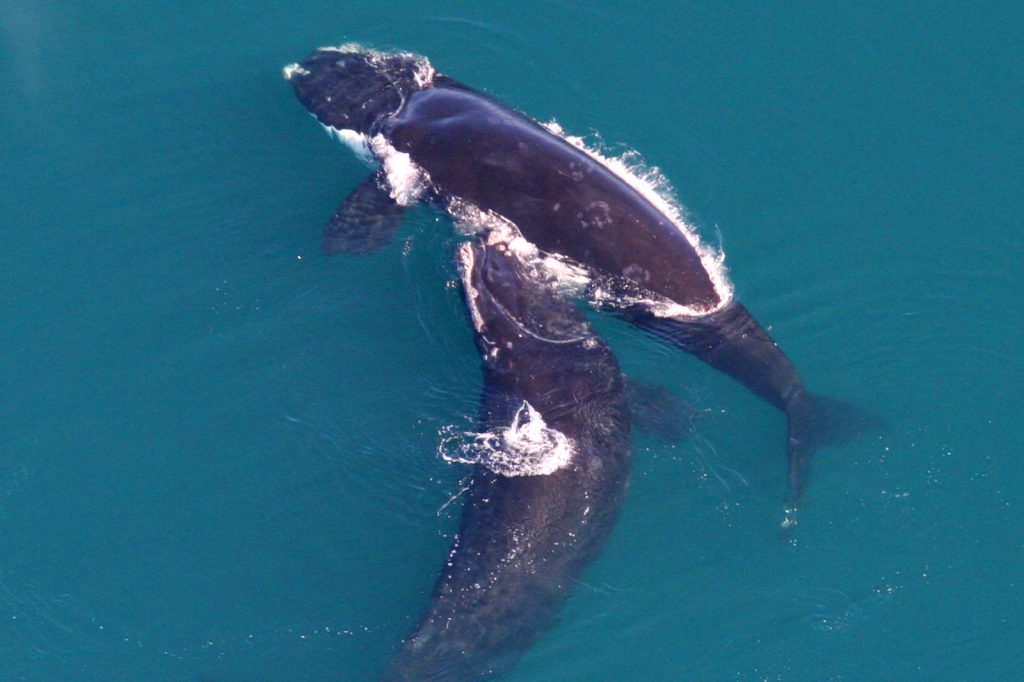
WASHINGTON, Sept. 2 — The U.S. House of Representatives voted Monday to pass H.R. 9436, the Northeast Lobsterman Protection Act of 2026, a bill that would delay federal protections for the critically endangered North Atlantic right whale by seven years. The measure cleared the chamber despite an existing moratorium on updated regulations that has not yet concluded, and now moves to the Senate. Defenders of Wildlife, a nonprofit conservation organization with a network of more than 2 million supporters, condemned the vote in stark terms.
Dan Moss, the organization’s senior government relations representative, said the bill’s passage amounts to a “likely death sentence for some North Atlantic right whales,” adding that Congress is “choosing to prioritize this untimely, ineffective bill before the existing moratorium on updated regulations even concludes.” The conservation calculus Moss rejected the framing that whale recovery and the New England lobster industry are locked in a zero-sum contest.
“Right whale recovery and the economic wellbeing of New England lobsterman are not mutually exclusive,” he said, “but this bill undermines the former while doing nothing to advance the latter.” He pointed to the species’ precarious numbers — an estimated 380 right whales remain on the planet, including only about 70 breeding females — and warned that “a single loss does great harm to the future prospects of this species.” The North Atlantic right whale is among the most endangered large whale species on Earth.
Its primary threats are ship strikes and entanglement in fishing gear, particularly lobster gear off New England. The bill, if enacted into law, would delay implementation of new protective measures for seven years — a timeline Moss called far too long.
“Seven years is too long to wait,” he said. “This bill must be stopped to prevent a rapid decline in the North Atlantic right whale population.” What this signals The vote lays bare the broader stakes in a familiar Washington collision: federal environmental regulation versus the economic interests of a regional industry. For the lobster fleet, the prospect of new gear restrictions or seasonal closures carries real financial weight.
For conservation scientists, the delay is existential — with a breeding population that small, even a handful of avoidable deaths could tip the species toward irreversible decline. Defenders of Wildlife, which has worked for nearly 80 years to protect America’s wildlife at risk of extinction, has signaled it will press the Senate to block the measure. The organization, headquartered in Washington, advocates for what it calls innovative solutions to safeguard imperiled species.
The strategic question now shifts to the upper chamber. With the moratorium on updated regulations still running, the Senate faces a choice: take up a bill that conservation groups argue is premature and harmful to the species, or let the existing regulatory process run its course.
For the right whale, the next several months may well determine whether the population stabilizes or slides further toward the brink.




