
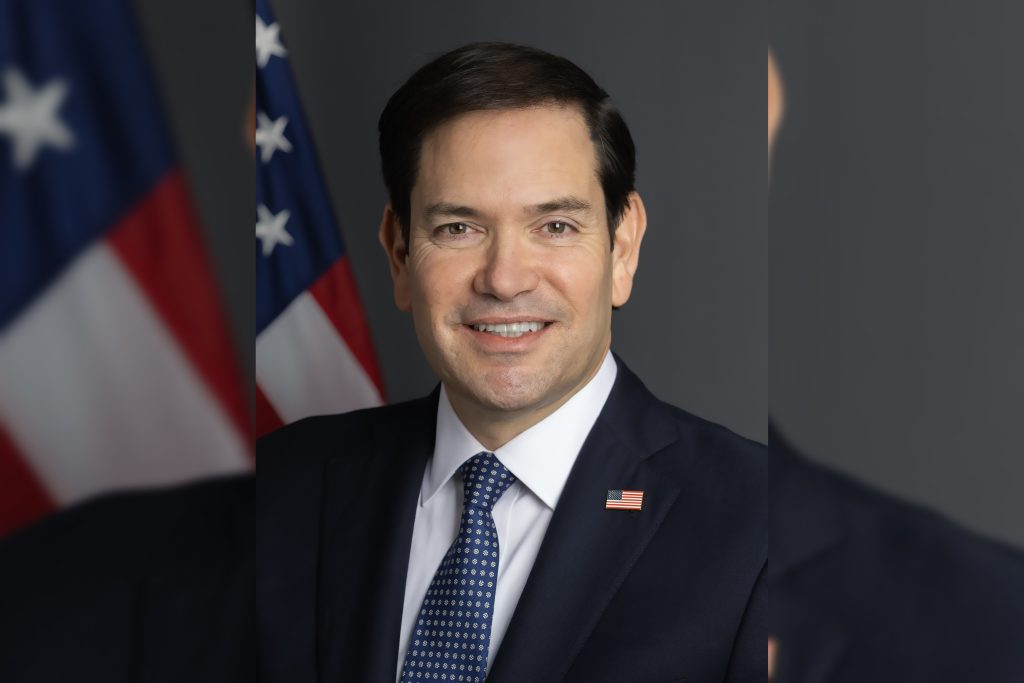
WASHINGTON, July 12 — The figure that matters is 30 days. That is how long the executive order signed on March 22, 2025, can remain in effect before Congress is notified — a departure from the 1976 National Emergencies Act, which typically requires immediate notification. The bottom line: Secretary of State Marco Rubio now holds unilateral authority over Venezuela-related economic sanctions, license revocations, and directives to the Treasury and Commerce Departments.
These are powers the U.S. Constitution normally reserves for the president or Congress. By the numbers, the order rests on the International Emergency Economic Powers Act of 1977, or IEEPA, which permits the president to declare national emergencies.
The delegation to Rubio covers sanctions imposition, existing license cancellations — including those for oil exports — and inter-agency coordination. Previous delegations, such as those to the Secretary of the Treasury under Iran sanctions, were narrower in scope. Historically, U.S. foreign policy authority is shared between the executive and legislative branches.
Congress declares war and regulates commerce. This order shifts that balance for Venezuela-related actions, placing significant unilateral power in the State Department.
A Precedent in the Making
Legal experts cited in the New York Times on March 23, 2025, noted that this delegation could set a precedent for future administrations. The order does not require congressional notification for 30 days — a notable carve-out from the 1976 National Emergencies Act’s standard requirements. Investors will note the practical implications.
With Rubio holding authority to revoke oil export licenses and direct Treasury and Commerce actions, companies operating in or trading with Venezuela face a new layer of regulatory uncertainty. The order gives one cabinet secretary the power to halt or permit economic activity that previously required broader executive or legislative input.
The mechanism itself is straightforward: IEEPA allows the president to declare a national emergency and then delegate those emergency powers. What makes this order distinct is the breadth of the delegation — and the delay in congressional oversight.
What to Watch Next
The 30-day notification window means Congress will eventually receive a report on the order’s implementation. Legal challenges could test whether the delegation exceeds statutory or constitutional limits. And future administrations will have a template — should they choose to use it — for concentrating Venezuela policy authority in a single cabinet official.
For now, the order stands. The State Department holds the levers on Venezuela sanctions, licenses, and inter-agency coordination.
Congress waits. And the precedent is set.




