
New Delhi, February 5 – India announced the immediate cancellation of all existing visas for Chinese nationals and for anyone who had been in China during the preceding two weeks. The move was described by officials as a deliberate, targeted response rather than a routine administrative tweak. Authorities said the step was taken after the virus had spread to 25 countries and caused at least 490 deaths worldwide, while India itself had recorded only three confirmed infections.
The Indian embassy in Beijing issued a concise statement: “It is clarified that existing visas are no longer valid.” Travelers affected were instructed to contact the embassy in Beijing or the consulates in Shanghai and Guangzhou to submit fresh applications. Indian Visa Application Centres in those cities were also made available to assist.
No exemptions or grace periods were mentioned in the announcement. Union Health Secretary Preeti Sudan said that passengers arriving from high‑risk locations would now be screened at the aerobridges of seven major international airports: Bengaluru, Chennai, Cochin, Delhi, Hyderabad, Kolkata, and Mumbai. These airports represent the country’s busiest entry points.
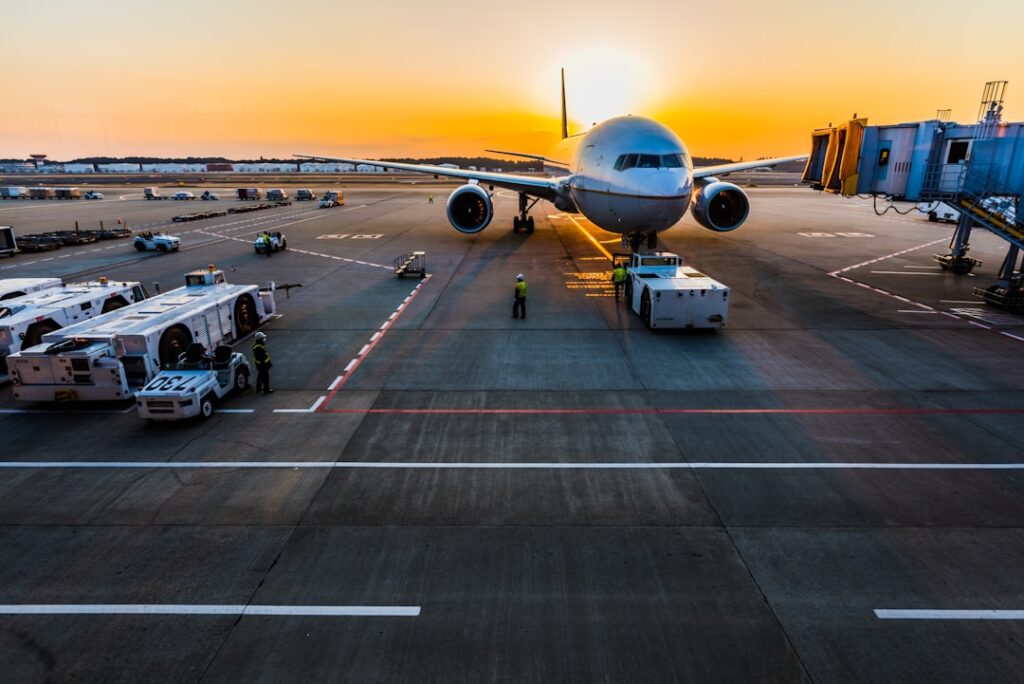
By focusing checks on the aerobridges — where passengers disembark — the government aims to intercept potential cases at the gate rather than after they have entered the community. Officials noted that the screening uses existing infrastructure, indicating that no new facilities were constructed overnight.
Indian authorities framed the visa cancellation as a bet on containment over convenience. They argued that the economic repercussions — reduced tourism, slower business travel, and curtailed diplomatic exchanges — were outweighed by the risk of an uncontrolled outbreak. The decision was presented as a signal that the previous norms of global mobility no longer applied in the face of a rapidly spreading pathogen.
The announcement did not specify how long the restrictions would remain in effect, nor did it provide a timeline for when normal travel might resume. Observers noted that this silence itself conveys the seriousness with which the government views the situation, suggesting that any lifting of measures will depend on the evolution of the outbreak rather than a predetermined schedule.
India’s action puts pressure on other countries, particularly wealthier nations, to consider similar steps. As a major developing economy with limited healthcare resources, India’s choice to restrict entry raises the question of whether richer states will follow suit or justify a different approach. The underlying logic cited by officials is that stopping the virus at borders buys valuable time to strengthen hospital capacity, train medical staff, and stockpile essential supplies such as masks and ventilators.
At the time of the announcement, the three cases detected in India were reported as mild. Nevertheless, authorities were monitoring the global curve closely.
While deaths outside China remained low, the pattern observed in Wuhan — where cases double quickly — prompted pre‑emptive action. The visa cancellation was described as an attempt to break the chain of transmission before it could reach a larger number of people within India. For travelers currently stranded in China, the message was clear: they must begin the visa application process anew.
For the broader public, the government’s move signaled that the international travel environment had been reshaped by a virus that originated in a wet market in Wuhan. India asserted that it was not waiting for external permission to act; it was implementing measures it deemed necessary to protect public health.




