
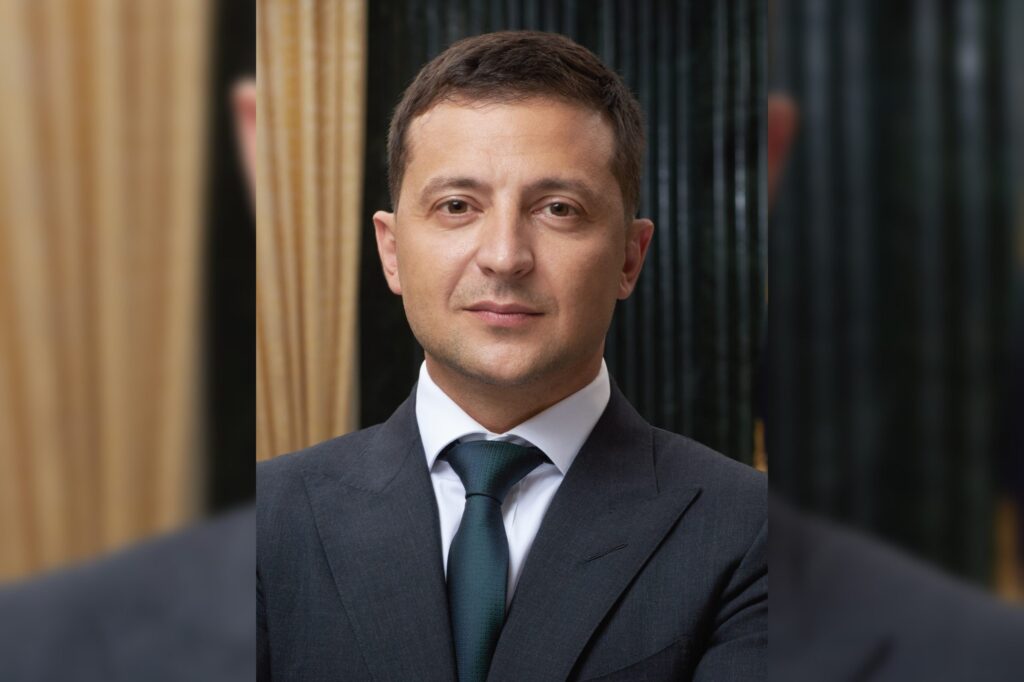
BRUSSELS, July 6 — Against the backdrop of a NATO summit widely expected to be dominated by the war in Ukraine, a new report has revealed that the alliance may be quietly limiting the role of President Volodymyr Zelensky, out of fear that a prominent platform for the Ukrainian leader could provoke a political backlash from Donald Trump.
The report, published last month by The Telegraph and citing unnamed diplomatic sources familiar with summit planning, suggests that some NATO officials and U.S. diplomats are wary of providing Zelensky with a high-profile stage. The concern, these sources indicate, is that such a move could antagonise Trump, who has a history of criticising American aid to Ukraine.
The decision to curtail Zelensky’s participation is being portrayed as a preemptive step to avoid a political confrontation with the former president and his supporters. No official confirmation has been provided by NATO or the White House. The report has nonetheless stirred debate about the influence of U.S. domestic politics on the alliance’s strategic calculus, raising questions about what is at stake for European security.
This is not the first time the corridors of NATO have been unsettled by the spectre of a Trump return. The former president’s past remarks questioning the value of the alliance and his praise for Russian President Vladimir Putin have long rattled European capitals.
Now, with Trump back in the White House, the wider picture is one of an alliance trying to navigate a delicate balance: supporting Ukraine without alienating its most powerful member. For President Zelensky, who has made personal diplomacy a cornerstone of his wartime strategy, any restriction on his access to the summit stage would be a significant shift. Since the full-scale invasion began, he has addressed NATO leaders multiple times, often receiving standing ovations and pledges of continued support.
A more muted role would signal a change in tone, even if the substance of military aid remains intact. What to watch next is whether the alliance can maintain unity in the face of these internal tensions. With the summit fast approaching, the question of who speaks and who is heard may prove as consequential as the pledges made behind closed doors.
For now, the official line from NATO remains silence, leaving diplomats and analysts to read between the lines of a carefully managed agenda.




