
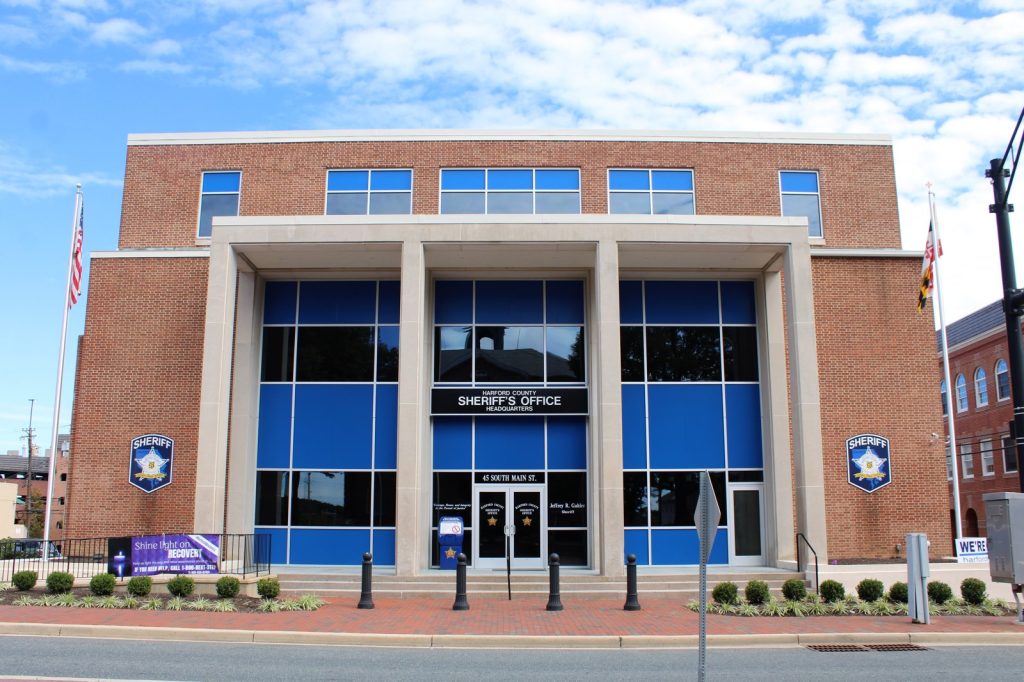
In Maryland, the sheriff’s badge is about to carry a new weight. Tuesday’s primaries delivered a clean sweep for every candidate who ran on cooperating with U.S. Immigration and Customs Enforcement. The winners told voters exactly where they stood.
Voters gave them the nomination. That much is settled.
What follows is the harder part: what this means for the people who have to live with the result. The change is not abstract. A sheriff who puts immigration enforcement at the center of the job will handle routine patrols, traffic stops, and domestic calls differently than one who does not.
For families in these counties, the question is about trust. When the person with the badge is also the person enforcing federal immigration law, a traffic ticket can carry a different set of consequences.
A domestic violence call can become something more than a safety issue. The human side of this is about who feels safe enough to call for help. Maryland has long been a battleground over immigration policy.
Some counties declared themselves sanctuaries. Others pushed back. Tuesday’s results suggest the pushback has momentum.
In a state that leans heavily Democratic, the primary results in these sheriff races tell a more complicated story. The candidates who won did not hide their positions.
They made immigration enforcement the centerpiece of their campaigns. Voters responded by giving them the nomination. The consequences will show up in small ways first.
A deputy who is trained to check immigration status during a stop may approach every interaction differently. A family that worries about a routine encounter with law enforcement may hesitate to report a crime.
That hesitation has a real cost. It can mean a burglary goes unreported. A witness stays silent.
A victim does not come forward. Public safety depends on people trusting the person with the badge. That trust can erode quickly when the badge is also a tool of federal immigration enforcement.
Behind the breakthrough at the polls lies a political reality that has been building for years. The sheriffs who won ran on their positions.
They told voters exactly where they stood. The message from the ballot box was clear. For the families who have watched this debate unfold in their communities, the message was unambiguous.
In county after county, voters backed incumbents and challengers who made immigration enforcement the centerpiece of their campaigns. What to watch next is the general election.
Maryland’s primary is typically the decisive race in many counties, but not all. Some of these winners will face Democratic opponents in November. The general election will test whether the primary results hold across a broader electorate.
It will also test whether the momentum behind immigration enforcement carries into other races. The issue has reshaped local law enforcement politics in the state. Tuesday’s results prove that.
The human side of this story is about trust. It is about what happens when the person with the badge is also the person enforcing federal immigration law.
For the families living in these counties, the change is not abstract. It is a shift in how local law enforcement interacts with federal immigration authorities. It is a shift in who feels safe enough to call for help.
It is a shift that will play out in traffic stops, domestic calls, and routine patrols. The sheriffs who won told voters exactly where they stood.
Voters responded. Now the consequences begin.




