
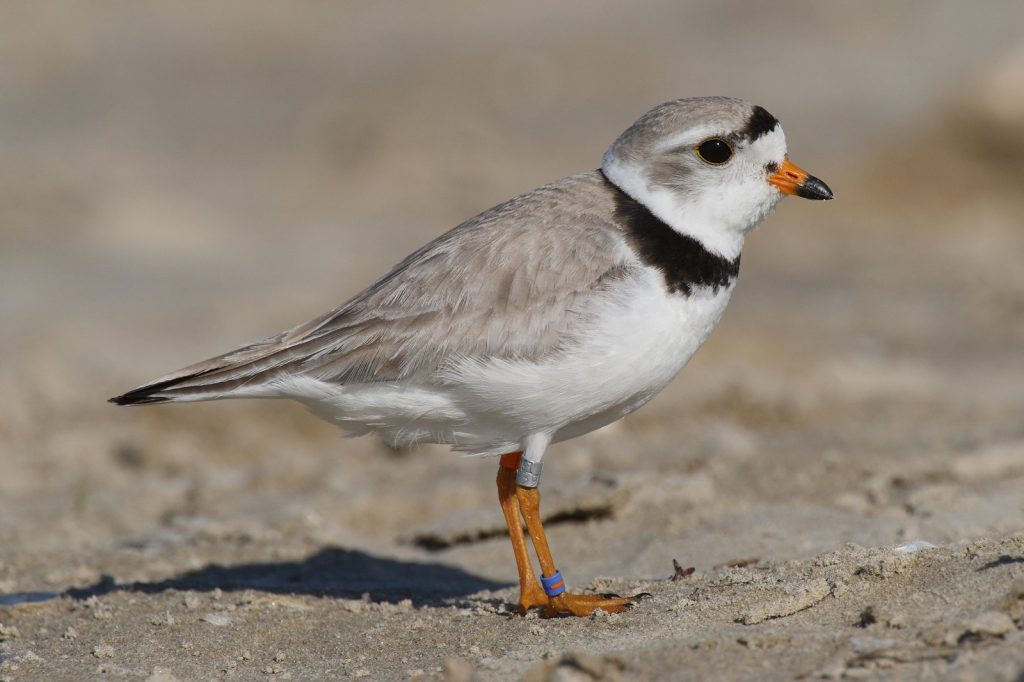
The dispute in a Massachusetts town over Fourth of July flags and endangered birds did not emerge from nowhere. It is the latest collision between long-established local customs and the legal framework of the Endangered Species Act, a federal law that has been on the books since 1973. The act gives protected species and their habitats a legal standing that can override ordinary property rights.
For homeowners in this town, the conflict became real only when the town sent out a notice ahead of the holiday. The timing matters.
The Fourth of July is a fixed date. Bird nesting seasons are not. The town’s warning targets decorations — flags, bunting, banners — that officials say could disturb nesting sites or habitats of birds protected under state and federal law.
The specific species at issue has not been named. But the protections cited carry the force of law.
That leaves homeowners in a bind: patriotic display or legal compliance. One resident told local media the policy felt like a betrayal. “We’ve flown the flag every Fourth of July since we moved here,” the homeowner said.
“Now we’re being told it could cost us money.” The exact penalty amounts have not been specified by town officials. But the threat of fines is real. For investors, the dispute carries potential financial consequences — not just for individual homeowners, but for property values and local real estate markets if such restrictions become more common.
The figure that matters is zero. That is the number of flags residents can fly without risking a fine, according to the town’s interpretation of the law.
For people who have marked the holiday with banners and bunting for years, that number feels like an affront. They say they were never told about the restrictions before purchasing their properties. That lack of disclosure is a separate issue.
It raises questions about how towns communicate conservation rules to new residents. The conflict pits two deeply held American values against each other.
On one side: the tradition of displaying the flag on Independence Day. On the other: the legal obligation to protect imperiled wildlife. The Endangered Species Act does not make exceptions for holidays.
It does not care about tradition. It cares about nesting sites and habitats. If a flag or a banner disturbs a protected bird, the law applies.
This is not a new problem. Across the country, the Endangered Species Act has generated conflicts with landowners, developers, and local governments.
The law was designed to protect species, not to accommodate human schedules. But for people who have lived in a place for years, the rules can feel like an intrusion. The Massachusetts town is just the latest flashpoint.
The notice stunned residents. Confusion and frustration followed.
Homeowners say they had no idea the restrictions existed. Town officials say the law is the law. The result is a standoff that will likely play out in the days before the holiday.
Some residents may choose to fly flags anyway. Others may comply. Either way, the dispute highlights a basic tension: conservation laws work only if they are enforced, but enforcement can feel arbitrary when it targets long-standing customs.
The bottom line is clear. Homeowners who ignore the warning face potential fines.
The exact amounts are unknown. But the risk is real. For a town that has not named the bird species at issue, the lack of specificity adds to the confusion.
Residents are left to guess what decorations are safe and what might trigger a penalty. That uncertainty is itself a cost.
The Fourth of July will come and go. The flags will fly in some yards and not in others. The birds will nest where they nest.
The law will remain. The question is whether the town and its residents can find a way to reconcile tradition with conservation before the next holiday arrives.




