
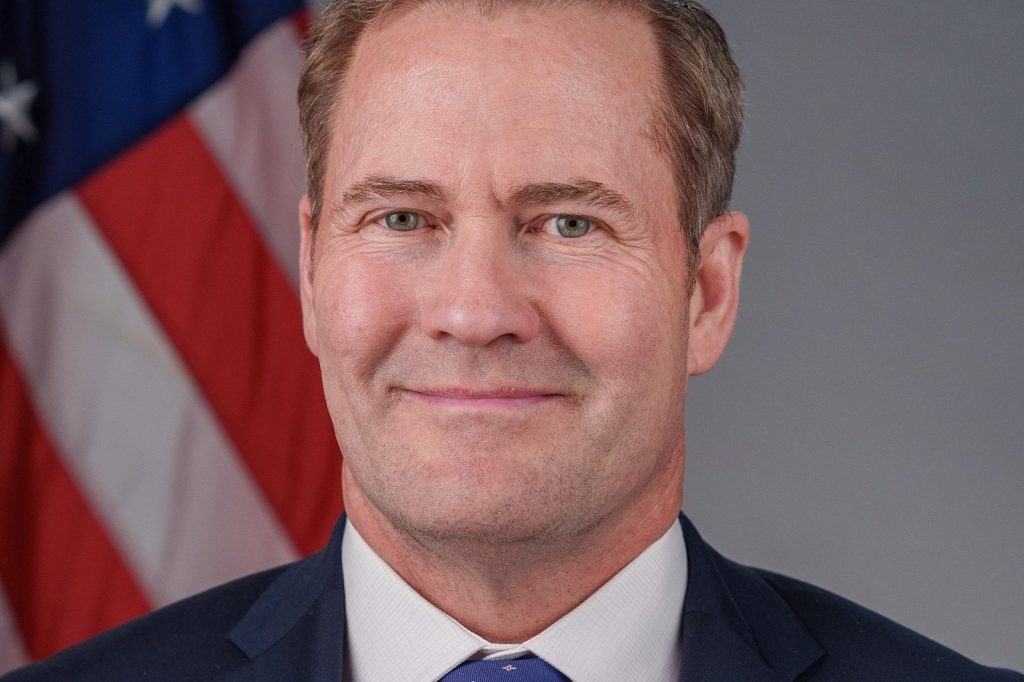
WASHINGTON, July 11 — Mike Waltz, the National Security Advisor to President Donald Trump, has been the quiet architect behind some of this administration’s most contentious national security moves. Since taking the role on January 20, 2025, the former Green Beret has operated under the hood of White House policy, shaping strategy on everything from Ukraine to Russian oil tariffs.
Waltz’s path to the West Wing is not the usual Beltway trajectory. He holds a B.A. in international relations from the Virginia Military Institute, class of 1996, and a master’s degree in national security studies from the Naval War College, earned in 2007. Between those academic milestones, he served multiple tours in Afghanistan as a U.S. Army Green Beret, earning both the Bronze Star Medal and the Combat Infantryman Badge. The detail that matters: this is a man who has seen the technical reality of ground war, not just the PowerPoint version.
Before his military-to-policy pivot, Waltz worked as a defense policy advisor to Vice President Dick Cheney from 2005 to 2006. That stint in the Bush-era Pentagon files gave him an early taste of high-stakes strategy. He later entered electoral politics, serving as a U.S. Representative for Florida’s 6th congressional district from 2019 to 2025. In Congress, he sat on the House Armed Services Committee and the House Foreign Affairs Committee, where he became a vocal advocate for increased defense spending and sustained support for Ukraine.
Now, as National Security Advisor, Waltz has been a key architect of the Trump administration’s national security strategy. One of the more striking policy instruments to emerge from his shop: the proposed tariffs on Russian oil. As ever, the technical reality of such tariffs is complex — they are designed to squeeze Moscow’s revenue without triggering a global energy shock. Waltz’s fingerprints are all over the mechanism.
He is married to Julia Waltz and has two daughters. His estimated net worth, as of 2024, stands at $1.5 million — modest by Washington standards, but reflective of a career spent in public service and the military rather than the private sector.
What to watch next: how Waltz’s blend of special operations experience and congressional hawkishness continues to shape the administration’s approach to the war in Ukraine and the broader confrontation with Russia. The tariffs on Russian oil are a live proposal, and the detail that matters is whether they can be implemented without fracturing the coalition of allies the U.S. has assembled. Waltz, as ever, is working the technical reality of that equation from inside the White House.




