
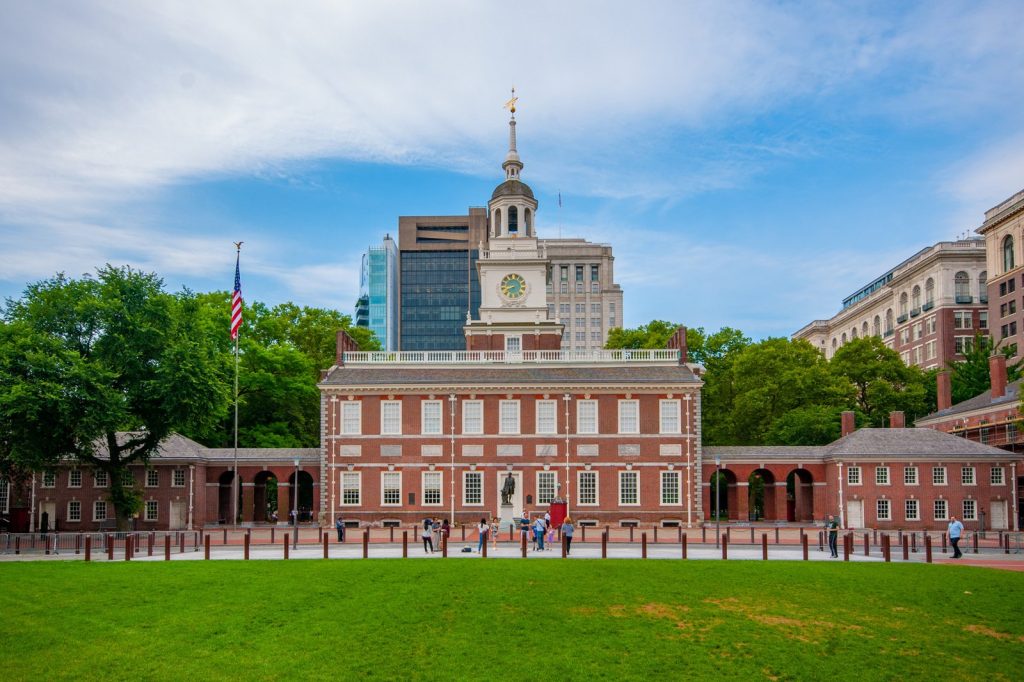
On this date in 1776, the Second Continental Congress finalized the language of the Declaration of Independence, but the event passed without public fanfare. News of the historic decision did not reach beyond Philadelphia by nightfall.
It would take weeks for the text to travel by horseback and printing press to the rest of the colonies, and only after that did the first celebrations emerge. Today, as the nation marks the 250th anniversary of that pivotal July 4, the holiday stands as a testament to how a delayed, unevenly received announcement evolved into a cornerstone of American identity.
From Philadelphia to the Colonies: A Slow Unveiling
The legal break from Great Britain took shape during the summer of 1776. The Second Continental Congress first approved a resolution of independence and then turned to adopting the explanatory declaration a few days later. Thomas Jefferson drafted the document over several weeks with input from a small committee, and the full Congress revised it before giving final approval late on July 4.
John Dunlap’s print shop then rushed to produce copies for distribution across the colonies. The Declaration was first read aloud in Philadelphia.
It reached New York on July 9 and Boston on July 18. Virginia did not see the text until late July, and the Southern colonies had to wait until August. Wherever the Declaration was read aloud that summer, it met roaring approval from crowds. In New York, the enthusiasm was so intense that residents marched to a nearby two-ton statue of King George III, pulled it down, and had it melted into more than 40,000 units of ammunition for the war effort.
These local readings and demonstrations constituted the earliest public response, not a fixed holiday.
Establishing a Tradition
The pattern of marking July 4 with gatherings and public notice settled only after the first anniversary passed. That year, 1777, marks the true beginning of an unbroken tradition that has now lasted for a quarter of a millennium. Full-on celebrations on July 4 had to wait until that year.
The first anniversary was celebrated with fireworks, parades, and public festivities, setting a precedent that continues today. Independence Day is now the federal holiday that marks the adoption of the Declaration of Independence and the founding of the United States as a separate nation.
The holiday matters because it anchors a shared national story for Americans amid changing customs. Residents across the country today describe the holiday as a moment to reflect on the distance between 1776 and the present. The scene across the nation reflects how the meaning of the date has evolved from a day when news traveled by horse and print to a national holiday observed with fireworks, parades, and backyard gatherings.
A Shared Story of Self-Government
The century-and-a-half of tradition shows how a delayed, unevenly received announcement became a recurring point of reflection on self-government. The document that began as a local declaration of principles in Philadelphia now serves as a unifying narrative for the entire country. By nightfall on this 250th anniversary, communities from the East Coast to the West will light the sky, continuing a practice that began when the first anniversary of independence was celebrated in 1777.
The legal break from Britain took shape in the summer of 1776, and the subsequent pattern of marking the date with celebrations has endured through generations of changing customs, reaffirming the ideals that first took form in a print shop and spread slowly across the young nation.




