
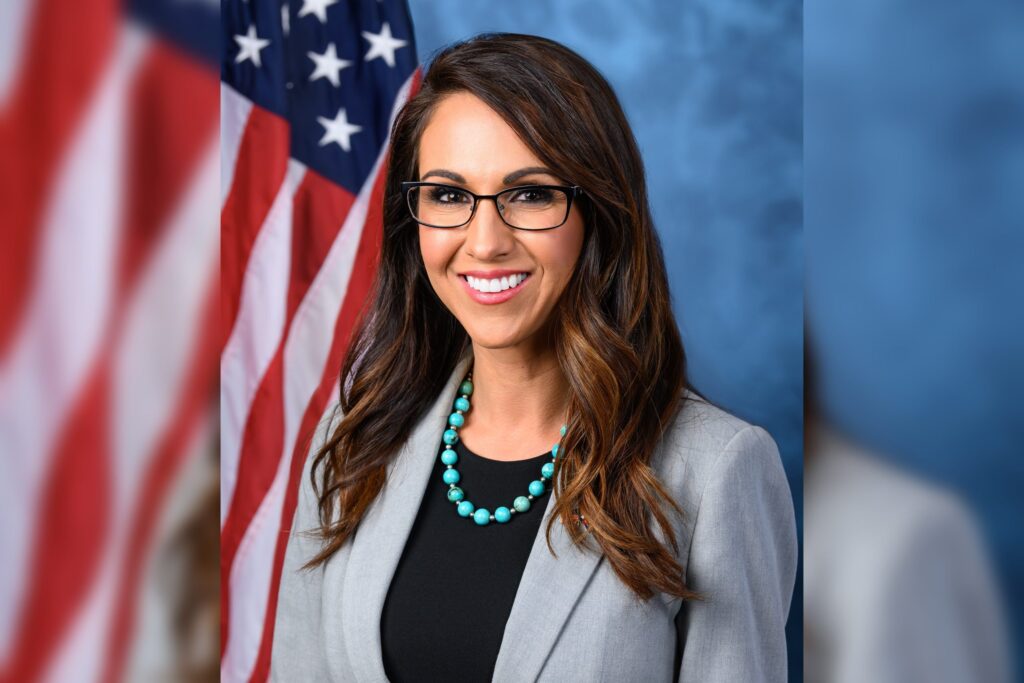
EATON, Colo., Sept. 9 — Rep. Lauren Boebert (R-CO) is welcoming recent executive actions by President Donald Trump that back Colorado ranchers, including a directive to review the delisting of gray wolves and Mexican wolves and a push toward country-of-origin labeling for American beef. The announcement was made in Eaton, Colorado. Boebert has long pressed for returning wolf management to the states and for clear labeling of American beef, and she framed the White House moves as validation of that legislative push.
“Colorado producers should not have to watch wolves tear through their herds while Washington ties their hands,” Boebert said in a statement. “And American families should not be left guessing whether the beef in the grocery store was born and raised here at home.
White House support for these initiatives — and Interior and Agriculture moving forward on the orders — is real progress for Colorado ranchers.” Strategically, the calculus for Boebert is about locking in policy gains before the political winds shift. Her Pet and Livestock Protection Act (H.R. 845) has already cleared the House; it would reissue the 2020 gray wolf delisting rule and shield that decision from activist lawsuits. She has also backed restoring mandatory country-of-origin labeling so “Product of USA” means what it says, and passing the PRIME Act.
“The executive order continues a process I’ve been fighting for in Congress,” Boebert said. “I want to finish what has been started.
We should pass this legislation by the end of this Congress — delisting wolves and putting American beef labeling into statute. Now the Senate and the House need to lock it in so ranchers and consumers are not left waiting on the next lawsuit or the next administration.” The White House published a fact sheet titled “Fact Sheet: President Donald J. Trump Supports America’s Ranchers.” The broader stakes for Boebert are durability: executive orders can be reversed, but statutes carry the weight of law.
Boebert said she will continue working with the Administration, Senate partners, and Western colleagues to get both measures across the finish line this Congress. What this signals for the broader Western political landscape is a renewed push to settle wolf management and beef-labeling questions at the federal level — before the next legal challenge or election cycle can reopen them.




