
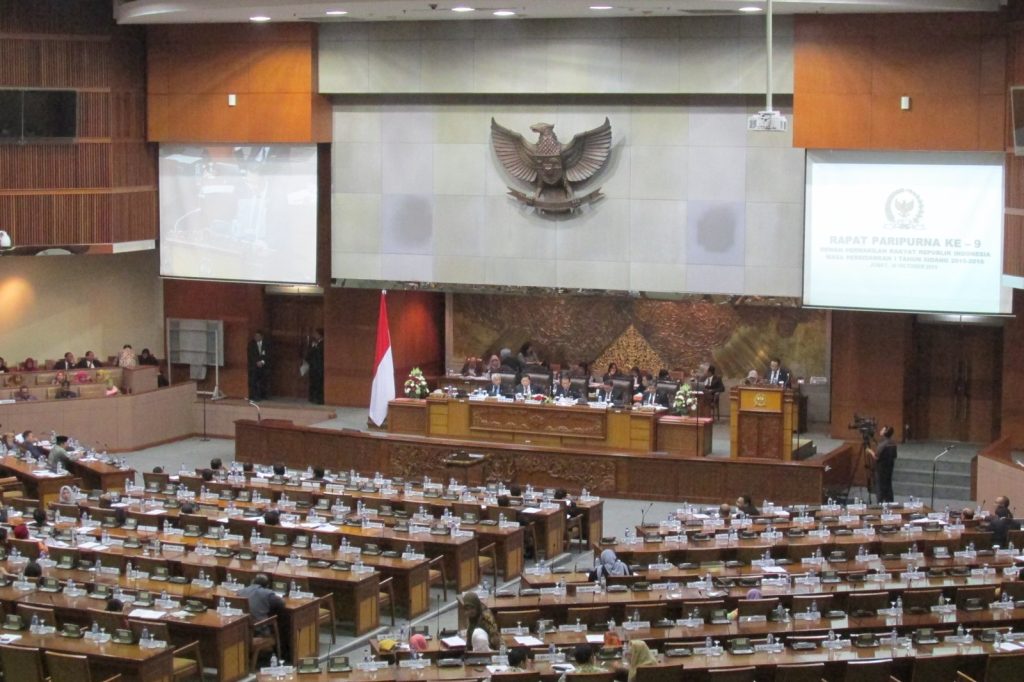
JAKARTA, August 28 — The selection of Supreme Court justice candidates in Indonesia has raised questions over the speed and rigor of the process. The House of Representatives’ approval of 11 Supreme Court justice candidates and three ad hoc Supreme Court justices in August 2026 has sparked debate. Selecting candidates to fill the highest bastion of law should be meticulous, not merely speedy.
The Judicial Commission submitted 14 names to the House on Friday, August 7, 2026, after these individuals had passed administrative, competency, health and personality screenings, as well as open interviews. However, concerns have been raised regarding the speed of the process and its implications for thorough vetting of candidates.
“Track records, integrity, legal competence, potential conflicts of interest, and ethical violations cannot be assessed like choosing a lunch menu,” critics argue. Civil society groups have questioned the qualifications of several candidates, with one candidate unable to adequately explain rechterlijk pardon, or judicial pardon, and the pre-trial mechanism under the new Criminal Procedure Code. Career judge Albertina Ho, who was considered to have a strong reputation, also failed to make the cut. The House’s authority to approve judicial candidates is supposed to serve as a mechanism of oversight and checks and balances.
However, the House has increasingly become a rubber stamp, reducing fit-and-proper tests to a banquet of political interests. The spotlight has fallen on Dhifla Wiyani, an advocate who was once a legislative candidate for the Golkar Party.
She claims to have left practical politics, yet her history still deserves open scrutiny. Lawmakers should act as the final filter, not an approval counter. If there are shortcomings in the Judicial Commission’s process, this is where lawmakers should put on the brakes and demand explanations.
Law No. 3/2009 sets stringent requirements for Supreme Court justice candidates. Career judges must have at least 20 years of experience as judges.
Non-career candidates must have at least 20 years of experience as legal professionals or academics and hold a doctoral degree. Such high requirements should be accompanied by equally rigorous scrutiny. Judicial independence does not descend from the heavens with a robe.
It is shaped from the selection stage. If candidates feel their futures depend on the approval of political elites, the seeds of dependence have already taken root before the gavel falls.
For that reason, the gateway to the Supreme Court must be guarded more strictly than the courtroom door. Once the public senses the smell of compromise in the selection of judges, every ruling can come to smell of politics as well. In a state governed by law, justice must not only be upheld, it must also appear free from the shadow of power.




