
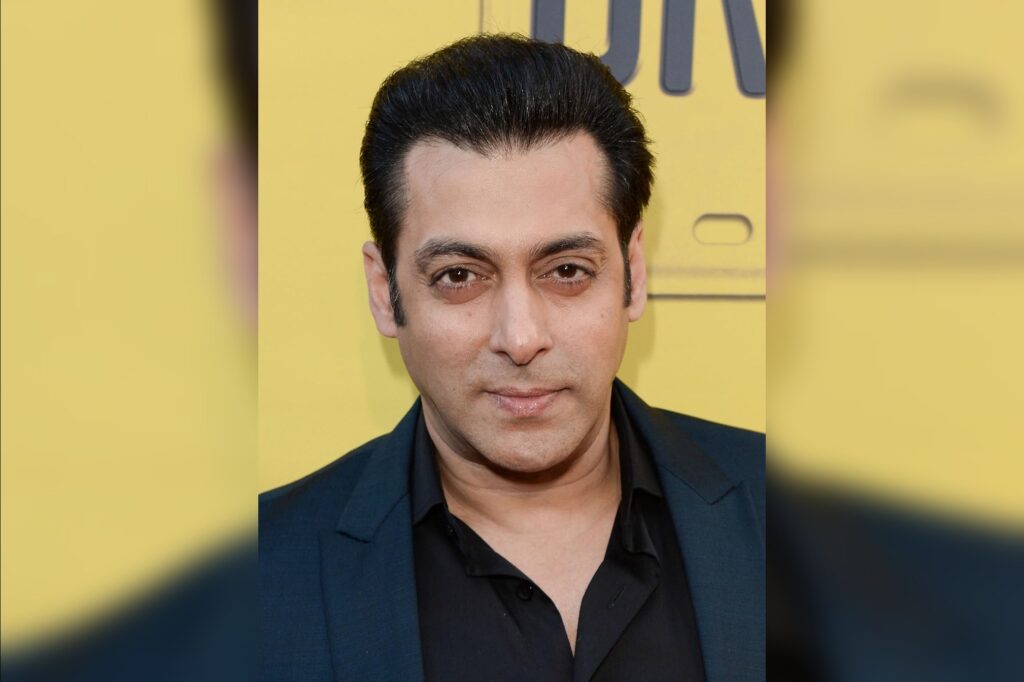
NEW DELHI, July 27 — X and YouTube have been ordered by the Delhi High Court to remove specific links from their platforms, in an interim ruling that underscores the judiciary’s power to intervene in online content in India. The order pertains to the teaser for a production titled ‘Kala Hiran’, with actor Salman Khan claiming the material violates his personality rights. The court also reprimanded producer Amit Jani for appearing to disregard the judicial process, stating that he seemed to think he was ‘above the law.’
Legal Framework and Common Practice
Social media platforms operating in India are subject to the Information Technology Act of 2000, which provides the statutory basis for blocking content deemed unlawful. Court orders for content removal are routine in cases involving defamation, personality rights, or material that could prejudice ongoing legal proceedings. The Delhi High Court’s action fits squarely within this established legal environment, where the judiciary frequently intervenes to balance platform freedom with individual rights.
The order is interim, pending a full hearing on Khan’s claim. This means the platforms must comply now, but the final outcome may shift once both sides present their full arguments. The case highlights the specific legal tension that arises when creative works draw inspiration from real-life criminal cases without obtaining explicit consent from the individuals involved.
The Kala Hiran Case and Its Implications
The ‘Kala Hiran’ case has drawn attention because it uses a real-life criminal case as its narrative backbone. Khan’s personality rights claim centres on the use of his identity or likeness in the teaser without his permission. The court’s reprimand of Jani suggests that the producer’s conduct—appearing to treat the legal process lightly—may have influenced the interim decision.
This case may set a precedent for how Indian courts handle future disputes over content that references actual criminal incidents and names real people. The tension between freedom of creative expression and individual rights is at the core of the legal question. Platforms like X and YouTube now face a larger regulatory environment in India where such judicial interventions are becoming more frequent, particularly around personality rights cases involving public figures.
The Delhi High Court’s ruling demonstrates the judiciary’s willingness to step in swiftly when platforms host content that potentially infringes on personal rights. For global social media companies, this decision serves as a reminder that Indian courts can and will order takedowns, and that compliance is mandatory under the IT Act.
Looking ahead, the full hearing will determine whether the teaser must remain blocked or can be reinstated. The final ruling will likely clarify the boundaries between creative freedom and the right to control one’s own personality in the Indian context.
Sources
{“@context”: “https://schema.org”, “@type”: “NewsArticle”, “headline”: “Social Media Platforms Face Legal Precedent on Content Removal”, “description”: “NEW DELHI, July 27 — X and YouTube have been ordered by the Delhi High Court to remove specific links from their platforms, in an…”, “datePublished”: “2026-07-27T09:30:00+00:00”, “author”: {“@type”: “Person”, “name”: “Li Wei”}, “publisher”: {“@type”: “Organization”, “name”: “InfoPulse Today”, “url”: “https://newsfeed.infopulsetoday.com/”}, “citation”: [{“@type”: “CreativeWork”, “url”: “https://en.wikipedia.org/wiki/Social_media”}]}




