
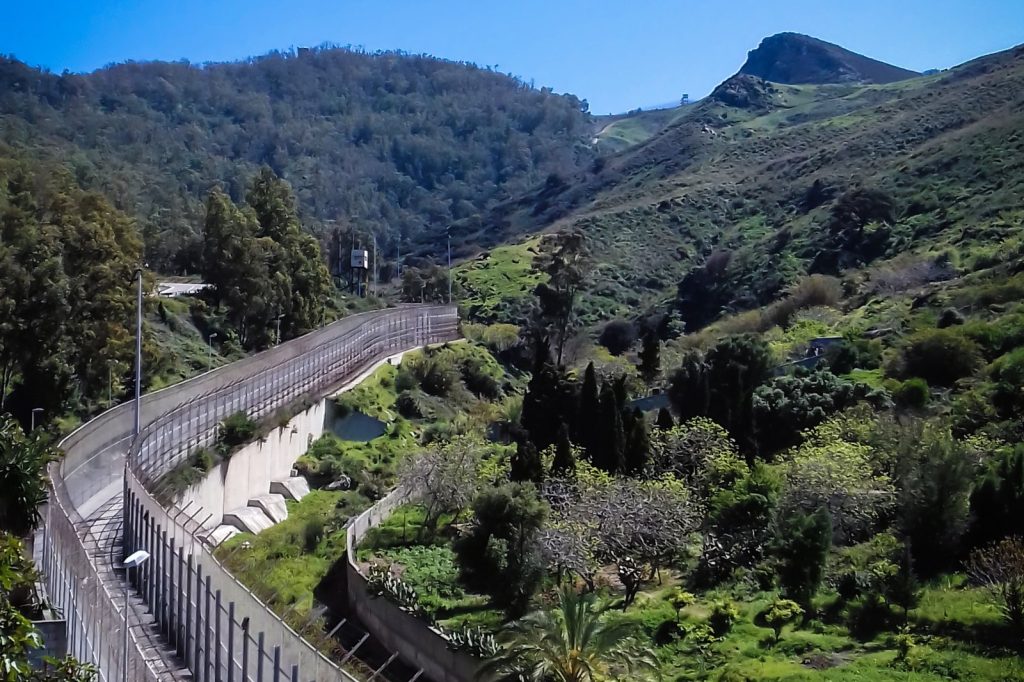
MADRID — Declassified files show that Spain’s national intelligence agency warned of plans for a mass border breach at Ceuta before the crisis unfolded, according to the released material. The documents, made public through declassification, indicate that the Centro Nacional de Inteligencia (CNI) had advance knowledge of the plans that led to the border breach at the Spanish enclave of Ceuta, on the North African coast bordering Morocco.
The files show the CNI issued warnings prior to the events, which involved a large number of migrants attempting to cross into Ceuta. The record does not attach a specific date to the crisis itself.
What the declassified material provides is a window into the sequence — intelligence gathered, warnings issued, and then the breach.
What the Files Establish
The CNI is Spain’s national intelligence agency, responsible for gathering and analyzing intelligence related to national security. Its advance warning on Ceuta, as reflected in the declassified documents, places the agency ahead of a crisis that would draw attention to the enclave’s border with Morocco. Ceuta is a Spanish autonomous city on the northern coast of Africa, sharing a border with Morocco.
It has long been a focal point of migration and border control issues, and the declassified files place it at the center of an intelligence timeline that ran ahead of the breach itself. The released material does not include specific numbers of migrants involved, nor does it contain direct quotes from officials.
According to the filing, the warnings concerned plans for a mass border breach — and they were issued before the crisis occurred.
Why the Declassification Matters
What the documents show is a gap between warning and outcome. Spanish intelligence had advance knowledge of the plans, yet the breach proceeded. The declassified files do not explain that gap, and no official comment accompanies the release.
The material offers insight into the timeline of intelligence gathering and the subsequent crisis, but it stops short of assigning responsibility or detailing any response. The key facts are narrow and documented: Spain’s spy agency warned of Ceuta border breach plans before the crisis; declassified files show this; the agency is the CNI; the location is Ceuta; the plans involved a mass border breach.
On the timeline, the warnings came first. The breach followed. The files now make that sequence part of the public record.
What to watch next is whether the declassification prompts any formal accounting in Madrid of how the CNI’s warnings were handled before the breach at Ceuta.




