
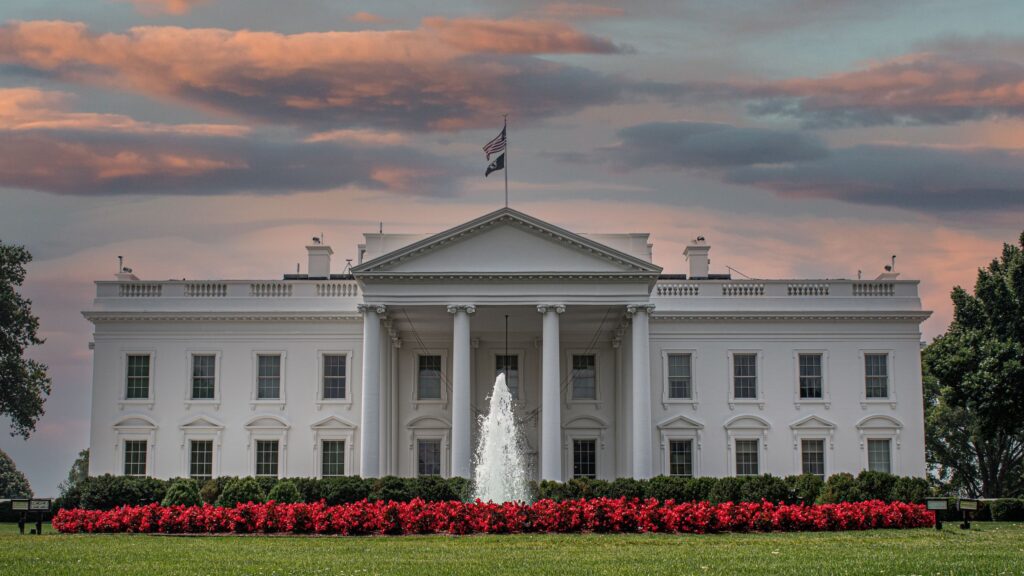
WASHINGTON, July 10 — The Trump administration’s proposal to slap heavy tariffs on Russian oil remains stuck in internal review, with no formal announcement made as of early 2025. The mechanics here are worth parsing: the plan still needs interagency discussions among the Treasury, State, and Energy departments before it could reach President Trump’s desk for a potential executive order. If approved, the tariffs could take effect within 30-60 days.
The catch is timing. We are now in July 2026, and the proposal has not moved past the review stage. The administration may also seek to coordinate with the European Union, which has already imposed multiple sanctions packages on Russia, including an oil price cap of $60 per barrel set in December 2022. The EU is considering its own tariff measures, but no joint framework has emerged.
Follow the money here. The proposal could face legal challenges from U.S. oil importers or from Russia at the World Trade Organization, though national security exceptions may apply. That legal uncertainty alone could slow implementation further. On closer reading, the administration’s internal review process looks less like a fast track and more like a holding pattern.
The Strategic Calculus
The source material outlines four potential outcomes if the tariffs ever take effect. First, Russia agrees to negotiate an end to the war, leading to a ceasefire. Second, Russia retaliates by cutting oil exports, causing global price spikes. Third, Russia diverts more oil to China and India at deeper discounts, reducing the tariff’s impact. Fourth, the tariffs escalate into a broader trade war.
None of these are good for the United States in a straightforward way. A price spike would hit American consumers and businesses. Diversion to China and India would weaken the tariff’s bite while strengthening Moscow’s ties to Beijing and New Delhi. A broader trade war risks fracturing the Western alliance that has held together through multiple sanctions rounds.
The conflict in Ukraine has already seen multiple failed ceasefires, including the Minsk agreements of 2014 and 2015. The war has caused over 500,000 casualties according to U.S. estimates, and displaced millions. Those numbers are not abstract — they represent a grinding stalemate that diplomacy has not resolved.
What to Watch Next
The next key date is the upcoming NATO summit in July 2025, where allies may discuss further measures. That summit has now passed, and there is no public record of a breakthrough on oil tariffs emerging from it. The question now is whether the administration will revive the proposal or let it die in interagency review.
The European Union is considering its own tariff measures, but coordination with Washington remains uncertain. Without U.S. action, EU tariffs alone would have limited effect — Russia can still sell oil to willing buyers in Asia. The mechanics of global oil markets mean that any tariff regime requires broad buy-in to work.
On closer reading, the tariff proposal’s slow progress suggests internal divisions within the administration. Treasury, State, and Energy each have different constituencies and priorities. The national security exception at the WTO is a legal argument, not a guarantee. And the potential for retaliation from Russia — cutting exports, driving up prices — gives any administration pause.
The war in Ukraine grinds on. The casualties mount. The displaced remain displaced. And the oil tariff proposal sits in a Washington inbox, waiting for a decision that may never come.
{“@context”: “https://schema.org”, “@type”: “NewsArticle”, “headline”: “Tariff Proposal Timeline and Potential Outcomes Explained”, “description”: “WASHINGTON, July 10 — The Trump administration’s proposal to slap heavy tariffs on Russian oil remains stuck in internal review, with no formal announcement made…”, “datePublished”: “2026-07-10T09:30:00+00:00”, “author”: {“@type”: “Person”, “name”: “Beatrice Ferrari”}, “publisher”: {“@type”: “Organization”, “name”: “InfoPulse Today”, “url”: “https://newsfeed.infopulsetoday.com/”}}




