
A tourist van veered off the road and fell into a gorge in Balik Pulau, Penang, Malaysia, on September 24, 2023, leaving one person dead and ten others injured. The accident has drawn attention to the safety of tourist transport in the region.
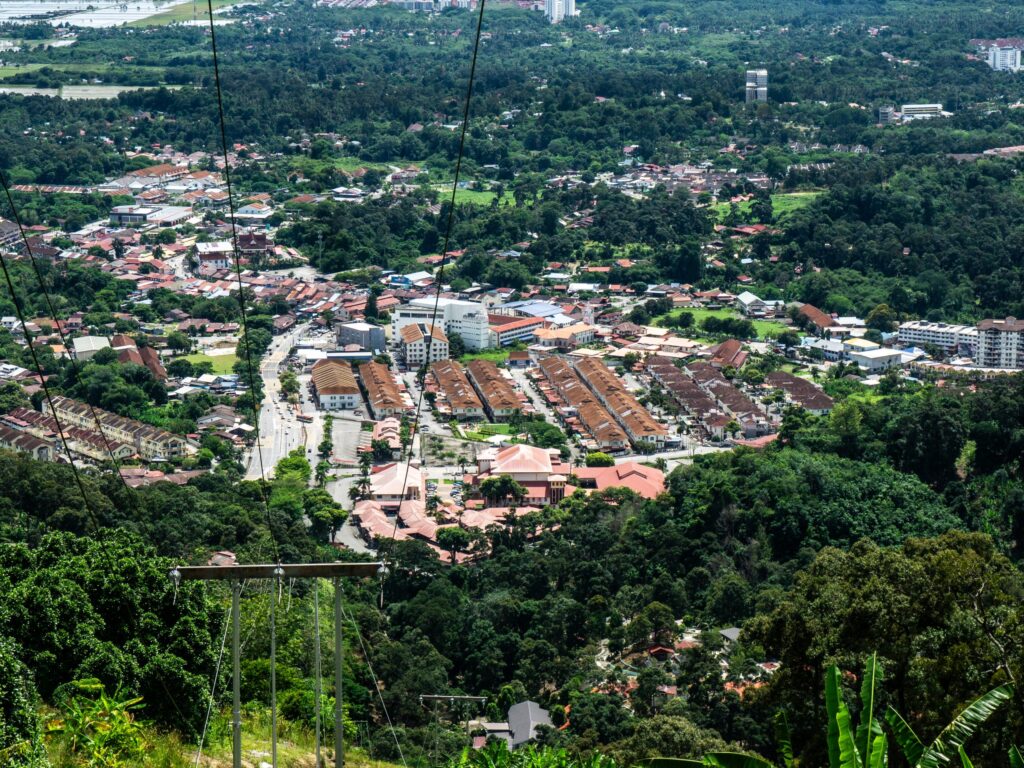
Balik Pulau, a suburb located 12.7 kilometers southwest of George Town, serves as the administrative seat of Penang Island’s Southwest district. Known for its agricultural landscape, the area has long been a popular destination for visitors seeking to experience the island’s natural scenery. The local economy depends heavily on farming, with Penang’s renowned produce—including nutmegs, cloves, and durians—cultivated around the suburb.
The countryside’s rolling hills and scenic views attract tourists who typically travel by van or bus to explore these attractions. The incident has underscored the risks associated with navigating the area’s winding roads.
While authorities continue to investigate the cause of the crash, there is growing recognition of the need for enhanced safety measures. Possible improvements include stricter safety regulations, better road maintenance, and more comprehensive driver training programs to protect both tourists and residents. Balik Pulau’s history stretches back to 1794, when the British East India Company established it as an agricultural village.
Over the centuries, the suburb has preserved its farming heritage, with numerous farms and plantations still operating. Its quiet, peaceful atmosphere offers a retreat from urban life, though urbanization has gradually altered the landscape and infrastructure.
The accident has also highlighted environmental concerns tied to tourism and development. The region’s agricultural output—particularly nutmegs, cloves, and durians—depends on healthy soil, air, and water. As Balik Pulau continues to urbanize, advocates are calling for sustainable agricultural practices, conservation of natural habitats, and adoption of renewable energy sources to reduce reliance on fossil fuels.
In the wake of the tragedy, there is a growing push for a more sustainable approach to tourism. Balancing safety improvements with environmental protection could allow Balik Pulau to remain a thriving destination while safeguarding its cultural and agricultural heritage.
Preserving the natural environment, proponents argue, is essential for the well-being of locals and visitors alike, as well as for the region’s long-term prosperity. With a focus on renewable energy, sustainable farming, and conservation, the suburb may chart a path toward a cleaner, safer future.




