
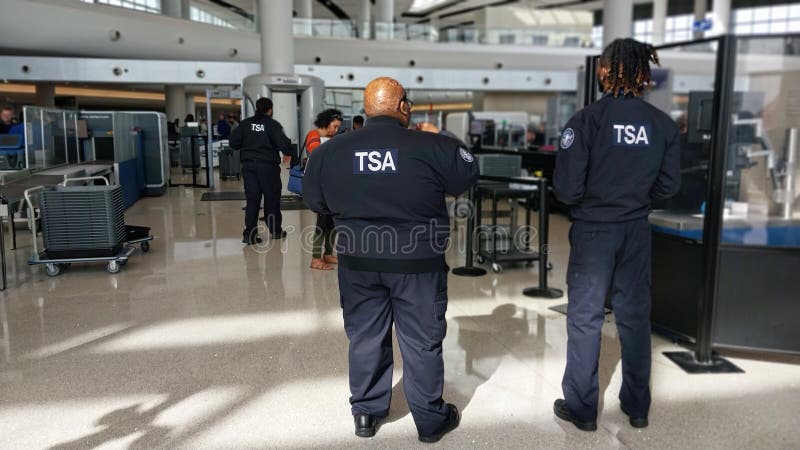
WASHINGTON, July 21 — The Transportation Security Administration’s role as the first line of enforcement for cannabis at the nation’s airports places TSA officers at the center of a widening legal conflict between state and federal marijuana laws, according to the current regulatory framework. Under existing protocols, TSA officers screen passengers for security threats. When they discover cannabis during baggage checks or pat-downs, they have discretion to refer the matter to local police or to federal agents.
The decision often comes down to the individual officer and the policies of the airport jurisdiction. Once a referral is made, the case moves to federal prosecutors.
They then decide whether to pursue charges carrying a potential 10-year prison sentence and a $15,000 fine.
Enforcement Discretion at the Gate
The TSA’s primary mission is aviation security — not drug interdiction. But for passengers carrying small amounts of cannabis, the encounter at a security checkpoint can escalate quickly depending on the officer’s judgment and the local stance of law enforcement. In states where cannabis is fully legalized, local police may decline to act on a TSA referral.
In states where it remains prohibited, the referral can trigger a criminal case. Federal prosecutors retain the authority to bring charges regardless of state law.
The record shows that this federal priority has shifted over time, but the statutory maximums — a decade in prison and a $15,000 fine — remain unchanged. No specific guidance from the current administration has been issued to alter that baseline, leaving the discretion largely in the hands of individual U.S. Attorneys’ offices.
Legal Crossroads and Political Pressure
Lawmakers are under increasing pressure to resolve the contradiction between state-sanctioned cannabis possession and federal law, particularly as more states adopt legalization measures. The discrepancy creates confusion for travelers, who may legally possess cannabis in their home state but face federal prosecution the moment they enter an airport. The TSA itself does not actively search for cannabis; its officers are trained to look for threats to aviation security.
But when cannabis is spotted incidentally, the referral mechanism kicks in. That mechanism, combined with the severe statutory penalties, highlights the urgent need for legislative reform.
On the timeline, the growing number of states that have legalized cannabis has not been matched by congressional action to reconcile federal law. No specific bill or executive order is currently before the public record, but the pressure is building as more Americans encounter the system at airport checkpoints. The coming months will show whether the administration or Congress moves to address this gap — or whether the current system of officer discretion and prosecutorial choice remains the de facto policy for air travel.




