
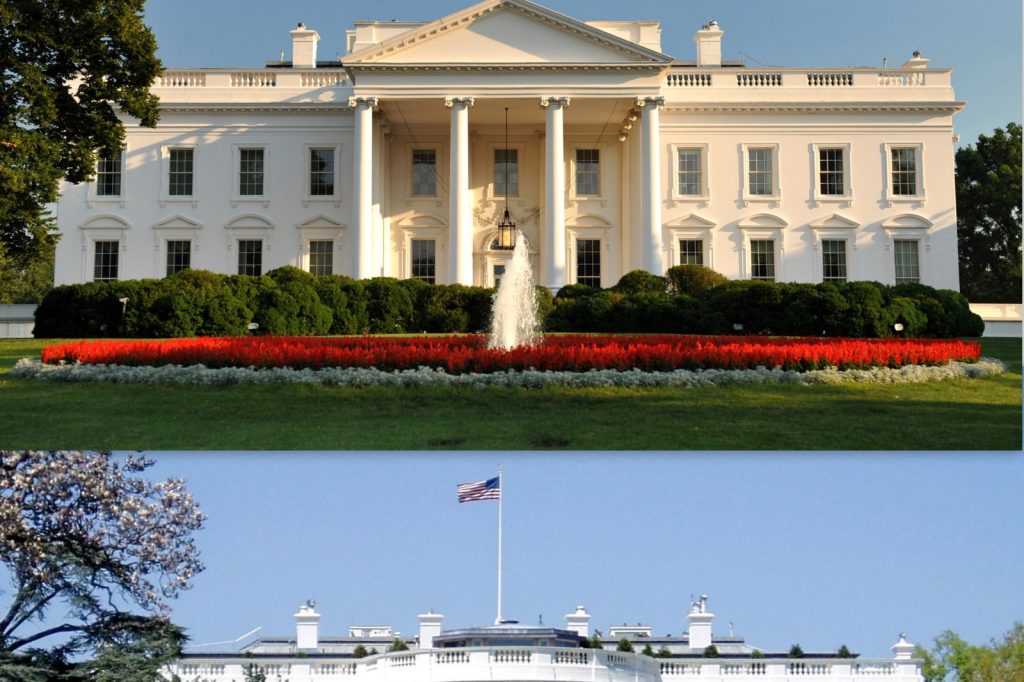
Trade policy shifts and alliance-building moved in parallel this week, with the White House pursuing two tracks that could reshape the American economic and security landscape for years. The decisions carry real consequences for semiconductor supply chains, critical mineral processing, and the network of partners the United States relies on to counter shared threats. On the economic front, the administration adjusted imports of semiconductors, semiconductor manufacturing equipment, and their derivative products.
Processed critical minerals and their derivative products also fell under new import rules. This is not abstract policy work.
Semiconductors power everything from fighter jets to hospital ventilators. Critical minerals feed the batteries and electronics that underpin modern life. The actions aim to protect American industries and workers.
That means domestic chip fabricators and mineral processors may face less price pressure from foreign suppliers. It also means companies that depend on imported inputs could see higher costs or tighter supply.
The balance is a deliberate one, and the stakes are high: a misstep could slow manufacturing or raise prices on consumer goods. Separately, the President signed determinations designating the Republic of Peru and the Kingdom of Saudi Arabia as Major Non-NATO Allies. That status grants these countries preferential access to U.S. defense cooperation, including expedited export licensing for military equipment and eligibility for certain loans and surplus arms.
It signals a strategic bet. Peru anchors South America’s Pacific coast, a region where Chinese investment has grown rapidly. Saudi Arabia sits at the crossroads of global energy routes and faces persistent threats from Iran-backed militias.
Both nations, the administration argues, are like-minded partners for addressing shared security concerns. The two moves share a common logic: reduce vulnerability.
Dependence on foreign semiconductor fabrication leaves American defense systems exposed to supply disruptions. Reliance on a single source for critical minerals — often China — carries the same risk. On the alliance side, formalizing ties with Peru and Saudi Arabia locks in cooperation that could matter if crises erupt in the Andes, the South China Sea, or the Persian Gulf.
Critics will note that Major Non-NATO Ally status does not carry a mutual defense commitment. It is a label, not a treaty.
But labels matter in diplomacy. They shape how other nations calculate risks and opportunities. A country that knows it can access U.S. military technology and training is a country that can better defend itself, which reduces the need for direct American intervention.
The trade adjustments and alliance designations were both done by executive action. No legislation required. That speed comes with trade-offs.
Executive orders can be reversed by a future president. Treaty commitments cannot.
Still, the administration chose the faster path, betting that immediate protection for domestic industries and stronger ties with key partners outweigh the risk of reversal. What happens next depends on implementation. The semiconductor import rules will test whether domestic production can ramp up fast enough to fill gaps.
The critical mineral provisions will pressure U.S. mining and processing firms to expand capacity. And the new Major Non-NATO Allies will need to deliver on their end — contributing to regional stability, not just collecting benefits.
The administration has laid out its priorities. The results will take months, if not years, to measure.
{“@context”: “https://schema.org”, “@type”: “NewsArticle”, “headline”: “White House Pursues Dual Track on Trade Policy and Security Alliances”, “description”: “Trade policy shifts and alliance-building moved in parallel this week, with the White House pursuing two tracks that could reshape the American economic and security…”, “datePublished”: “2026-01-17T23:30:00+00:00T09:30:00+00:00”, “author”: {“@type”: “Person”, “name”: “Isabella Moore”}, “publisher”: {“@type”: “Organization”, “name”: “InfoPulse Today”, “url”: “https://newsfeed.infopulsetoday.com/”}}




