
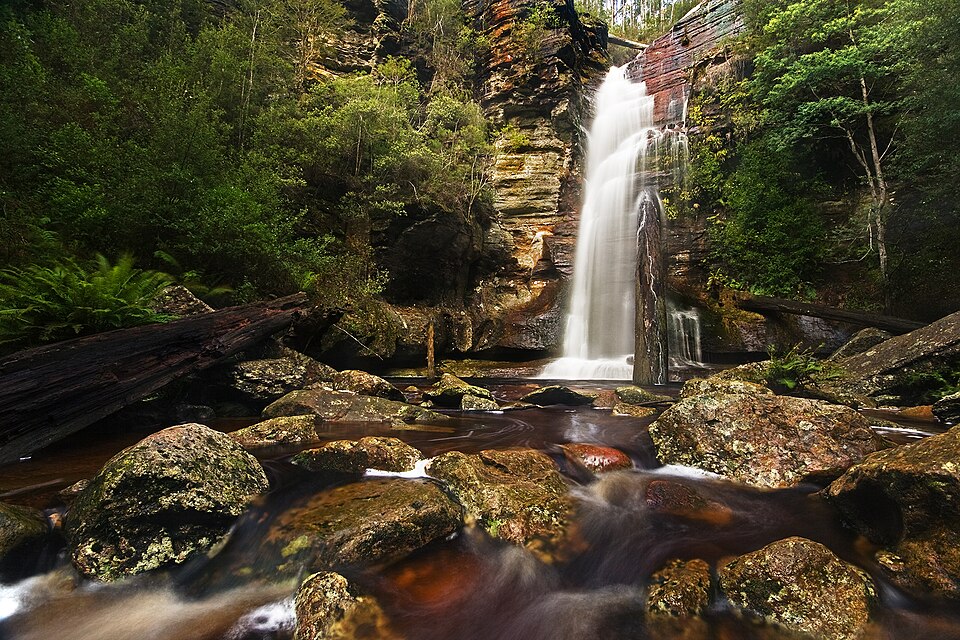
Wisconsin’s summer tourism playbook has long leaned on beer, brats, and the Green Bay Packers. But tucked into the state’s northern and western corners is a quieter draw — one that doesn’t require a game ticket or a tavern stool. Waterfalls, sea caves, and river valleys.
The state’s natural attractions, spread across Douglas, Ashland, Vernon, and Crawford counties, are pulling families on a different kind of road trip this summer. One fueled by cheap gas, packed coolers, and the kind of adventure that doesn’t involve a credit card swipe at every turn.
What’s happening here is more than a seasonal bump. It’s a slow shift in how Midwestern families spend their vacation dollars. The pandemic-era camping boom never fully receded.
Now, with inflation still pinching household budgets, a week at a Wisconsin state park looks a lot smarter than a flight to Florida. Consider the numbers already on the table.
Big Manitou Falls, inside Pattison State Park, is Wisconsin’s largest waterfall. It sits on the Black River, just 15 miles southwest of another major draw — Amnicon Falls State Park. That kind of geography means a family can hit two distinct parks in a single day, no interstate required.
The trails put visitors “right next to a waterfall or rumbling rapid,” according to the report. That proximity is the whole point. Ninety miles east sits Copper Falls.
The cluster of waterfalls across Douglas County and beyond creates a natural circuit. It’s not a coincidence that these parks are spaced the way they are.
They were preserved, in part, because they were spectacular. But also because they were accessible. The state has long banked on that mix.
Then there are the Apostle Islands. Twenty-two islands sit in Lake Superior, most in Ashland County.
The mainland sea caves are the main event, reachable by kayak. But here’s the detail that changes the trip entirely: 18 of the 21 islands allow camping, but only by kayak or boat. That barrier to entry filters out the casual crowd.
It rewards the people who plan. For those who do, the payoff is a night on an island in Lake Superior, with lighthouses and sea caves reachable by cruise the next day. The Kickapoo River Valley tells a different story.
Stretching 125 miles from Wilton to Wauzeka, it cuts through the Driftless Region — a corner of Wisconsin that glaciers missed. That geological accident left behind forested hills and winding rivers that look nothing like the rest of the state.
Private cabins with large porches dot the area, giving families a perch to watch those hills. Wildcat Mountain State Park and the Kickapoo Valley Reserve offer trails. But the real draw is the river itself.
Canoeing or kayaking the Kickapoo is the highlight, and it’s the kind of activity that works for a wide age range. What does this mean for the summer ahead?
Expect more packed campgrounds. Expect waitlists for kayak rentals. Expect the quiet corners of these parks to get a little louder.
The forces driving this — lingering outdoor habits from the pandemic, stretched household budgets, and a simple desire to be outside — aren’t going away. Wisconsin’s natural attractions are absorbing that pressure, and so far, they’re holding. The state has bet on this before.
It’s betting on it again. And for families looking to make summer memories without breaking the bank, the bet is paying off.




