
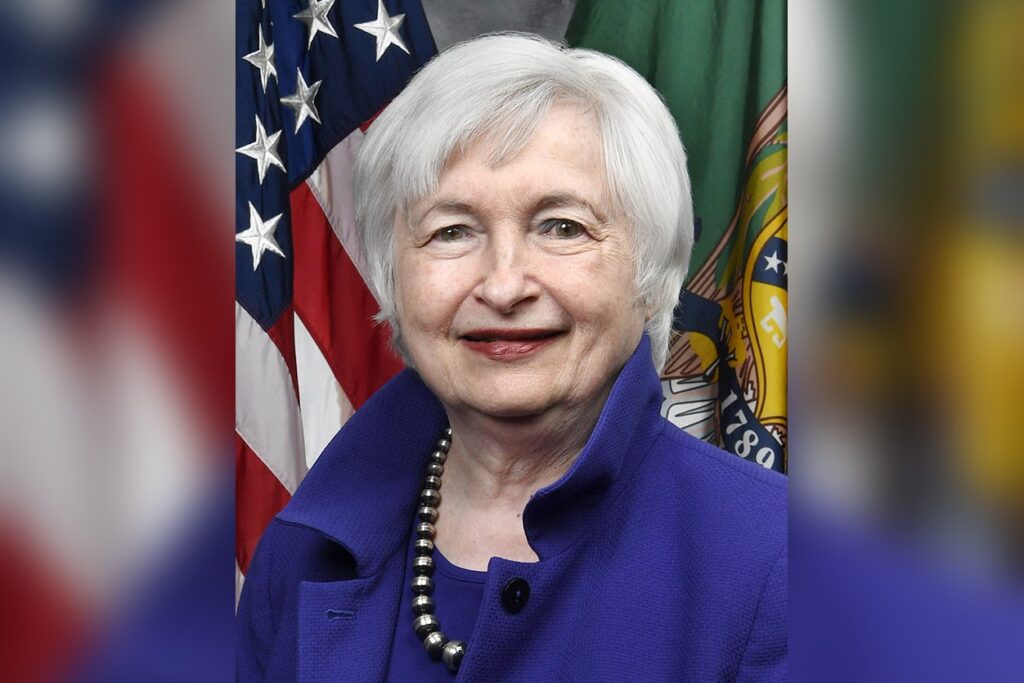
WASHINGTON, July 11 — Janet Yellen, the 78th U.S. Treasury Secretary, has been at the center of America’s financial architecture since taking office on January 26, 2021. For communities across Asia, where many economies hold substantial U.S. debt and trade in dollars, her stewardship of the Treasury’s borrowing operations carries weight far beyond Washington. The Treasury currently issues $155 billion in new debt each month, a figure that underscores the scale of federal financing needs and the global reliance on U.S. government securities.
Yellen, who previously served as Chair of the Federal Reserve from 2014 to 2018, has long advocated for fiscal responsibility. In June 2023, she supported the suspension of the debt ceiling, a move that averted a potential default on U.S. obligations.
For families across the region, the implications are direct: a U.S. default could roil global financial markets, affecting remittances, trade financing, and the value of dollar-denominated savings held by households from Manila to Jakarta. The debt ceiling debate, however, is not merely a Washington procedural matter. Yellen has testified before Congress on the rising costs of debt and interest payments, warning in 2023 that higher interest rates could strain the federal budget.
Closer to home, this means that the U.S. government’s borrowing costs—now elevated due to the Federal Reserve’s rate hikes—could eventually translate into tighter global credit conditions, making it more expensive for businesses and governments in Asia to borrow.
The Fed’s Parallel Path
While Yellen manages the Treasury’s borrowing, Jerome Powell has led the Federal Reserve since February 5, 2018, and was reappointed in 2022. Powell oversaw a dramatic tightening cycle from March 2022 to July 2023, raising the federal funds rate to 5.25%–5.50%. The Fed’s goal: combat inflation, which peaked at 9.1% in June 2022 as measured by the Consumer Price Index.
The Fed’s actions have had a cascading effect. Its quantitative tightening program reduced the central bank’s balance sheet from $9 trillion to about $7.5 trillion by early 2024.
That reduction, by removing a major buyer of Treasury securities from the market, has increased borrowing costs for the U.S. government. For communities in Asia, where many central banks hold U.S. Treasuries as reserves, the interplay between Fed policy and Treasury issuance is a constant factor in currency stability and export competitiveness.
Testimony and Transparency
Both Yellen and Powell have testified before Congress on the nation’s debt and interest costs. Their public statements offer a window into the trade-offs facing policymakers. Yellen’s 2023 warning that higher rates could strain the budget was not abstract—it reflected the arithmetic of a government paying more to service its debt.
For families across the region, higher U.S. rates often mean stronger dollars, which can make imports cheaper but also increase the burden of dollar-denominated debt held by Asian governments and corporations. The coordination—or lack thereof—between Treasury and Fed policy is a matter of ongoing attention.
Yellen’s focus on borrowing operations and Powell’s on monetary tightening create a dual pressure on interest rates. As of mid-2026, with the federal funds rate still at elevated levels, the question for many in Asia is whether this environment will persist, and what that means for their own central banks’ policy choices.
What to Watch
Looking ahead, the trajectory of U.S. fiscal and monetary policy remains a key variable for global markets. Yellen’s continued management of Treasury issuance, alongside the Fed’s balance sheet strategy, will shape the cost of capital for years to come. For communities across Asia, from small business owners in Bangkok to policymakers in Tokyo, the interplay between Washington’s borrowing and the Fed’s rate decisions is not a distant concern—it is a daily factor in the cost of trade, the value of savings, and the stability of currencies.
The coming months will test whether the current policy mix can sustain economic growth while keeping debt costs manageable.
{“@context”: “https://schema.org”, “@type”: “NewsArticle”, “headline”: “Yellen Leads Treasury Amid Global Economic And Debt Concerns”, “description”: “WASHINGTON, July 11 — Janet Yellen, the 78th U.S. Treasury Secretary, has been at the center of America’s financial architecture since taking office on January…”, “datePublished”: “2026-07-11T09:30:00+00:00”, “author”: {“@type”: “Person”, “name”: “Merry Gel Sigui”}, “publisher”: {“@type”: “Organization”, “name”: “InfoPulse Today”, “url”: “https://newsfeed.2bme.xyz/”}}




