
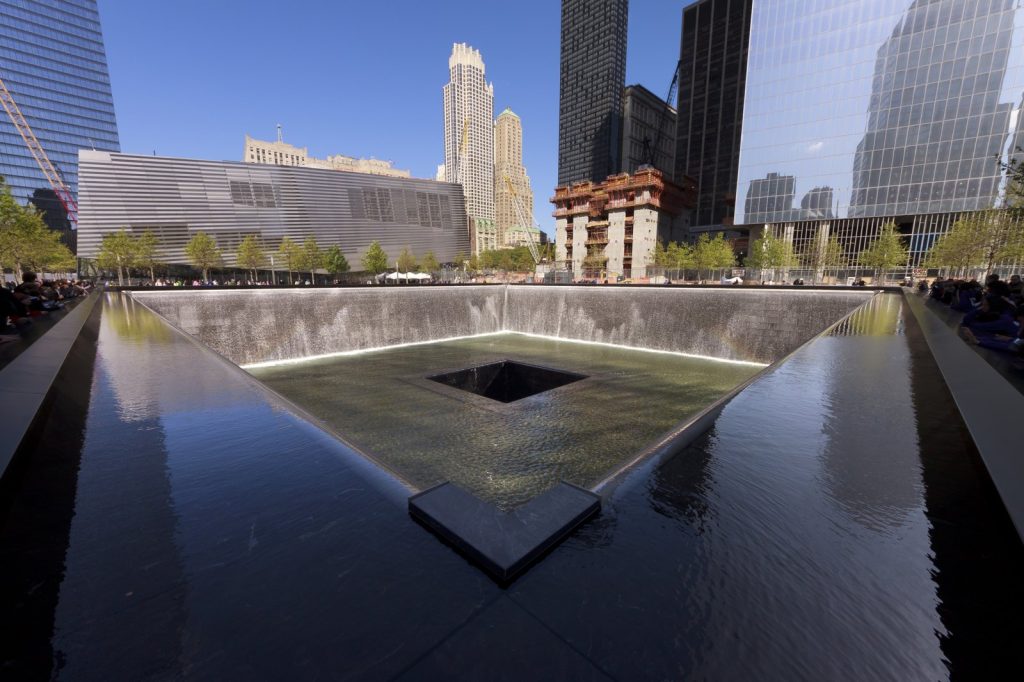
WASHINGTON, September 11 — Twenty-five years on from the September 11, 2001 attacks, the legal machinery built in their wake is still running. The contributor argument published today on this anniversary holds that its principal legacy is not security architecture but an absence of accountability — that the inquiries, statutes and court rulings which followed produced consequences for detainees and for agencies, and almost none for the officials whose decisions were documented in the official record. The sequence is well established.
Hijackers affiliated with al-Qaeda seized four commercial airliners. Two struck the World Trade Center towers in New York City, one struck the Pentagon in Arlington, Virginia, and one crashed in a field near Shanksville, Pennsylvania after passengers resisted.
Congress created the National Commission on Terrorist Attacks Upon the United States, which issued its final report in 2004 and concluded the attacks were the product of failures across multiple agencies and administrations. Its phrase for the root cause — a “failure of imagination” — has outlived most of the recommendations attached to it.
What the response actually built
The structural output was real. The commission’s findings led to the creation of the Office of the Director of National Intelligence and the National Counterterrorism Center, consolidating authorities that had previously sat scattered across departments. Congress passed the USA PATRIOT Act in October 2001, expanding government surveillance and investigative powers.
Under the hood, that is a substantial rewiring of how the American state collects and shares intelligence. The courts, meanwhile, spent the following years litigating the rights of the people the new system detained.
In 2004 the Supreme Court decided Rasul v. Bush, holding that foreign detainees held at Guantanamo Bay could challenge their detention in U.S. federal courts. In 2006, Hamdan v.
Rumsfeld struck down the military commissions established by the Bush administration as they then existed. In 2008, Boumediene v.
Bush affirmed habeas corpus rights for Guantanamo detainees. Each ruling constrained executive action. None of them, the contributor notes, attached legal consequence to the officials who designed or oversaw the policies in question.
The gap the contributor identifies
That is the crux of the argument. Investigations produced findings; findings produced reports; reports produced legislation and new agencies. The chain stopped short of liability.
No senior official was held legally accountable for the failures of intelligence, policy or oversight catalogued in the official record — a pattern the contributor says hardened into a durable feature of post-9/11 American governance, shaping later debates over surveillance, detention and executive power. There is a countervailing reading, and it deserves stating plainly.
The 9/11 Commission itself, congressional oversight and the court rulings above can be described as meaningful checks — institutions doing the work of scrutiny, however imperfectly, and in the Guantanamo cases doing it against the executive’s stated preference. Whether that constitutes accountability or its substitute is precisely the disagreement. Two threads remain open.
Long-running litigation and settlement on behalf of 9/11 victims and first responders continues to work through the system, and questions about pre-attack intelligence warnings remain unresolved in the public record. As ever, the detail that matters is not what was written down but what followed from it.
What to watch next: whether any future inquiry into the post-9/11 period is given the power to do more than publish, and whether the courts continue to treat the executive’s national security claims as reviewable. On the evidence of the past quarter-century, the first is unlikely and the second is where the argument will actually be settled.




