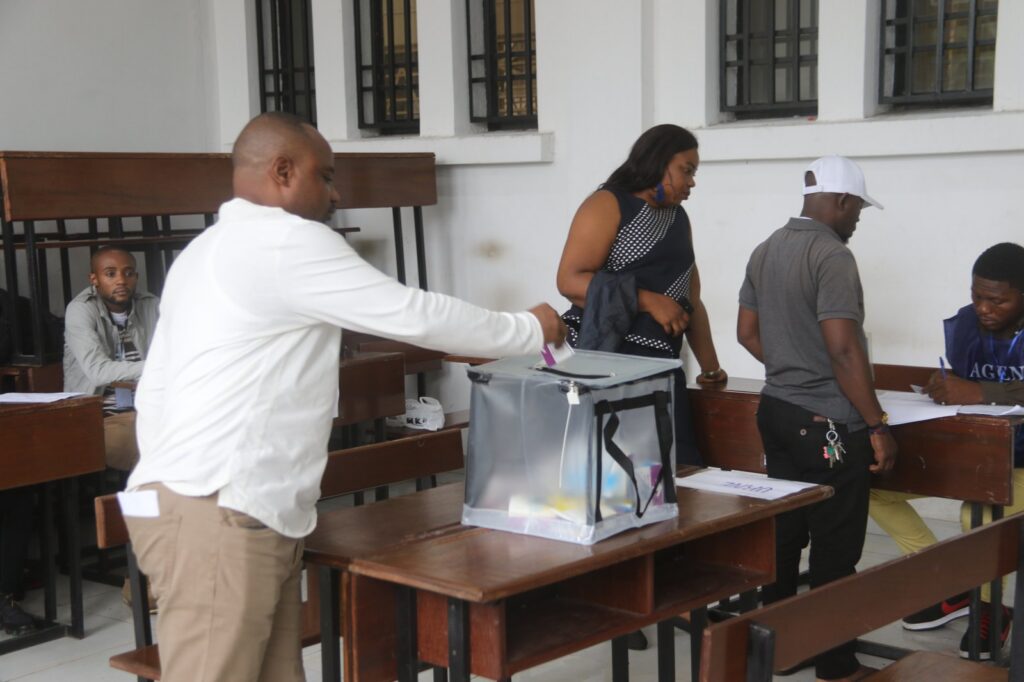
For swing state voters, the cost of living and immigration remain key concerns as Election Day arrives, according to NPR reporting from six pivotal states. The issues cut across traditional battleground lines, reshaping races from the Ohio River Valley to the Arizona desert.
The Ohio River Valley Realignment
Ohio once defined the term swing state. Voters there picked the winning presidential candidate in every election from 1964 to 2016, a streak so reliable it spawned the adage “where Ohio goes, so goes the nation,” according to Ohio University political scientist Kevin Spiker. That run ended in 2020. The state has voted Republican in three straight presidential elections since.
The technical reality of the shift lives in the eastern counties along the Ohio River Valley — Mahoning, Belmont, Monroe, Jefferson. These were Democratic strongholds built on steel and coal unions. Spiker’s data shows a shift in party identification driven by voters who felt the Democratic party abandoned pro-labor ideals. Fracking and coal regulations accelerated the realignment; Republicans converted these border counties into sizable majorities. Trump’s margins in Ohio, Spiker notes, are historically unique for a Republican.
Beef Prices and Border Pressures in Texas
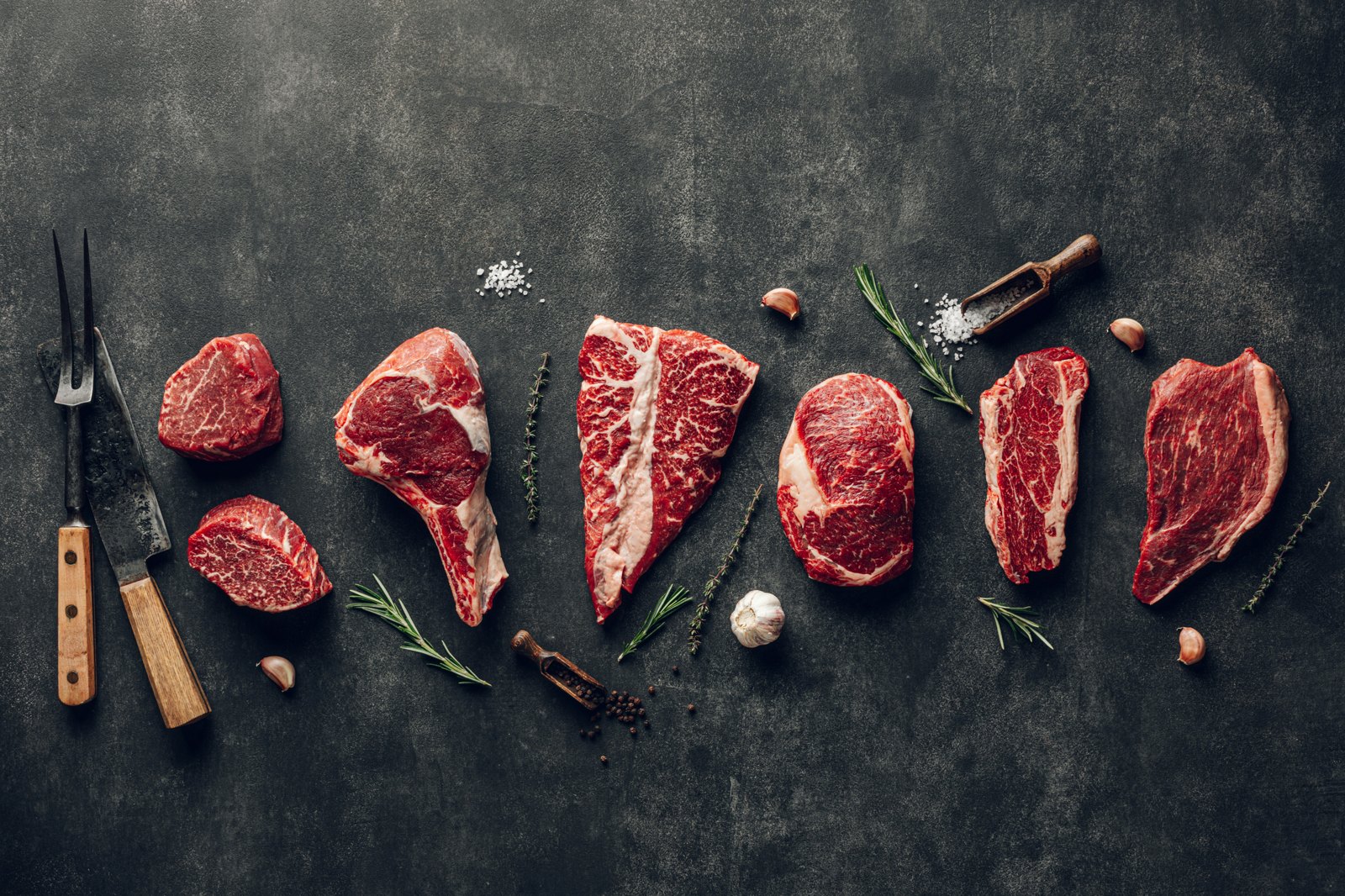
In Texas, the cost-of-living pressure has a specific flavor: beef. NPR’s A Martínez found rising prices affecting quality of life for residents, business owners, and farmers alike. The protein at the center of the Texas table has become a proxy for the broader inflation calculus driving voter sentiment in a state that remains Republican but where down-ballot races tighten when wallets shrink.
Maine’s Clear Margin, Contested Seat
Maine presents a different texture. Kamala Harris won the state by a clear margin over Trump in 2024, yet Senator Susan Collins — a moderate Republican first elected in 1997 — fights for a sixth term against former logger and state legislator Troy Jackson. NPR’s Leila Fadel reported from Lewiston, where Angolan asylum seekers running a daycare kept curtains drawn for months to avoid attention. Immigration policy is not abstract here; it determines whether the help stays or goes.
Michigan’s Narrow Margin, Personal Attacks
Michigan narrowly backed Donald Trump in the 2024 presidential election despite a Senate seat held by Democrats for 12 years. The race to replace retiring Senator Debbie Stabenow pits Abdul El-Sayed, a former public health official on the Democratic left, against former Republican congressman Mike Rogers. Trump made increasingly personal attacks against El-Sayed, calling him a “jihadist.” Voters told NPR’s Michel Martin they are burned out and frustrated with the political system, while also citing tariff effects on businesses and daily life.
Arizona Models Project Doom
The technical reality in Arizona arrived at 8 a.m. Election Day via text message: “God all my models are already projecting doom. And it’s 8am.” The sender, an unnamed GOP analyst, shared the projection with Garrett Archer, a political analyst for ABC 15 Arizona and former GOP strategist. The models cover a gubernatorial race where Democratic Gov. Katie Hobbs holds a single-digit lead over Republican Rep. Andy Biggs, and two congressional districts Democrats aim to flip.
In Arizona’s 1st Congressional District, covering northeastern Maricopa County, Democrat Amish Shah led Republican Jay Feely — a longtime Trump golf buddy — by four points in a Keating Research survey last month. Cook Political Report moved the race to “lean Democratic” from “toss up” in September. The same shift occurred in the southeast district, where Democrat JoAnna Mendoza holds a slight lead over Republican Rep. Juan Ciscomani.
Early voting numbers have GOP insiders rattled. The electorate is 8.2 points bluer than 2024, according to On Point Politics. “Where we really need to be is an R+10,” said Warren Petersen, GOP candidate for lieutenant governor, on a private Arizona Republican call reported by the Arizona Mirror. “With the drop that just happened here, we’re at an R+1.2, and the real issue is that the Dems are front loading very well.”
The Needle Conservatives Thread
Conservative campaigns nationally are threading a needle between kowtowing to the president and distancing from unpopular military and economic policies, according to leaked texts reported by The New Republic. A senior GOP strategist told Politico the party is bracing for “a brutal evening” and major losses in both chambers. “Once the dominoes start falling it becomes hard to stop them.” Another strategist put it bluntly: “We all know who the problem is. It’s Trump.” The same source wondered aloud how the party reforms if it loses 35 House seats and six Senate seats.
What Comes Next
Polls close across the swing states Tuesday evening. The first results from the Ohio River Valley counties will show whether the Republican conversion holds. Arizona’s early vote dump — 8.2 points bluer than 2024 — will test the GOP analyst’s 8 a.m. doom projection against Petersen’s R+1.2 reality. In Maine, the curtains in Lewiston stay drawn until the count finishes.
Sources
- For swing state voters, the cost of living and immigration remain key concerns
- Swing state
- Can Ohio become a swing state again?
- Leaked Texts Expose GOP in Key Swing State Bracing for Disaster
- The candidates who will decide the US midterm elections
- Republican Panics Over Own Projections in Swing State
Photo: MONUSCO Photos (CC BY-SA 2.0)