
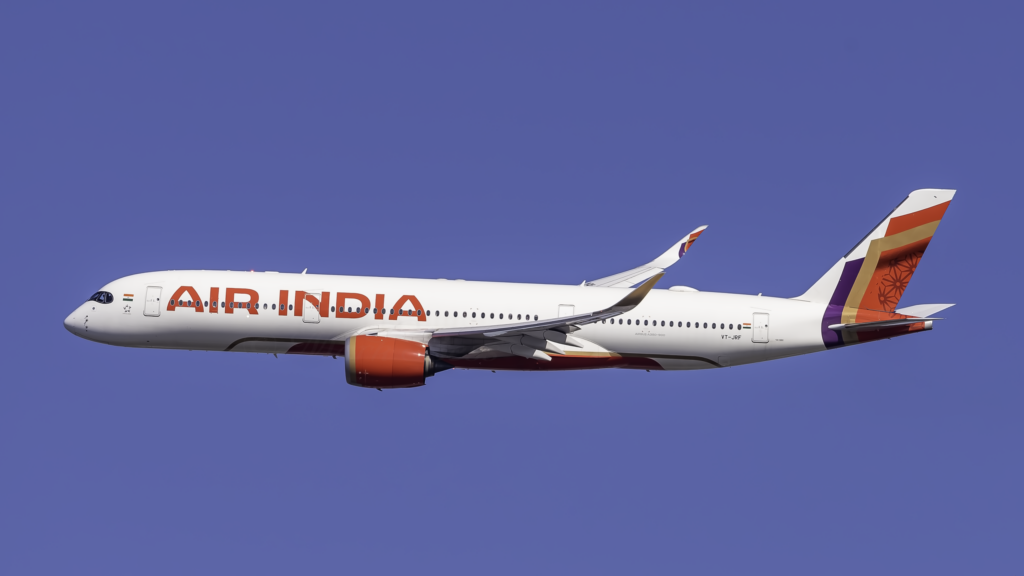
Air India Dreamliner Crash Toll Reaches 279 After Ahmedabad Takeoff
Police sources have confirmed that the death toll from the crash of an Air India Boeing 787 Dreamliner has risen to 279. Of those, 38 people were on the ground when the aircraft came down shortly after departing from Ahmedabad Airport in Gujarat on June 12, 2025.
The remaining victims were aboard the flight. The aircraft, a Boeing 787 Dreamliner operated by India’s flag carrier, was in the early phase of its flight when the accident occurred. Air India traces its origins to 1932, when it was established as Tata Airlines by J. R.
D. Tata.
Today the airline is owned by Air India Limited, with the Tata Group holding a 74.9 percent stake and Singapore Airlines holding the remaining 25.1 percent. Air India’s main hub is located at Indira Gandhi International Airport in Delhi. From there it operates a mixed fleet of Airbus and Boeing aircraft to a broad network of domestic and international destinations.
As of November 2024 the carrier served 87 such points, and it ranks as the second‑largest airline in India by passenger volume, behind only IndiGo. The airline joined the Star Alliance as its 27th member on July 11, 2014.
Authorities have not yet determined the cause of the crash. A formal investigation is expected to be launched, involving Indian agencies and international partners, to examine the circumstances and identify any safety improvements that might prevent a recurrence. The tragedy has also renewed discussion about the environmental footprint of aviation.
Air travel contributes significantly to greenhouse‑gas emissions, yet it remains a crucial link for global mobility and economic exchange. Experts note that reducing reliance on fossil fuels will require advances in sustainable aircraft design and alternative fuels.
In India, where energy security and cost are pressing concerns, the expansion of renewable energy is viewed as a key strategy to lessen dependence on imported fuels and promote self‑sufficiency. Policymakers have set ambitious targets for renewable capacity, aiming to align aviation growth with cleaner energy goals. Looking ahead, the industry will need to balance safety imperatives with sustainability objectives.
Lessons learned from this incident are expected to shape future regulations, aircraft technology, and operational practices, with the aim of preventing similar losses while supporting a transition to greener flight. For the families of the victims, the immediate focus will be on obtaining answers and receiving support during the investigation.
Authorities have pledged to provide assistance and to keep the public informed as the inquiry progresses. Ultimately, the crash serves as a stark reminder of the importance of rigorous safety standards and the ongoing need to develop aviation solutions that are both safe and environmentally responsible.




