
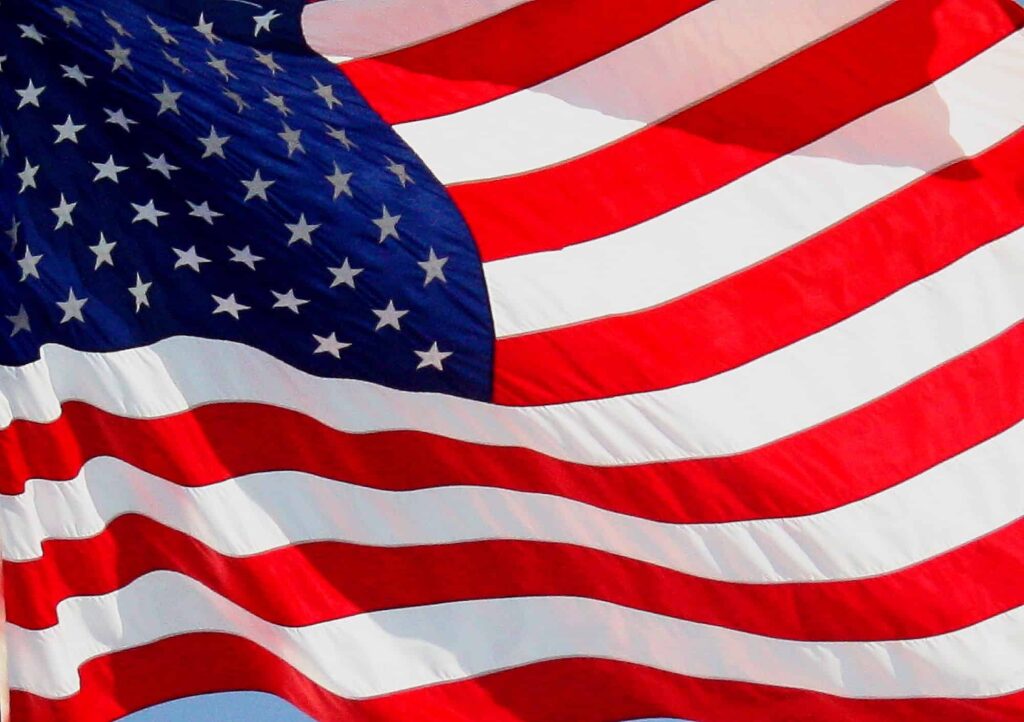
Patriotism versus bird protection. That’s the equation in one Massachusetts town this July 4, where homeowners are being told their traditional flag displays could trigger fines under endangered species law. The town’s warning, delivered to residents ahead of the holiday, targets flags and similar decorations.
Officials say these items might disturb nesting sites or habitats of birds protected under state and federal endangered species laws. The exact species at issue has not been named.
The town cites protections carrying the force of the Endangered Species Act. For homeowners, the math is stark. Zero flags.
That is the number they can fly without risking a fine. The penalty amounts have not been specified by town officials, but the financial threat is real.
One resident told local media the policy felt like a betrayal. “We’ve flown the flag every Fourth of July since we moved here,” the homeowner said. “Now we’re being told it could cost us money.” This is not a random local dispute.
It is a collision of two deeply held American values. On one side: the tradition of displaying the flag on Independence Day, a ritual as baked into the holiday as cookouts and fireworks. On the other: a binding legal obligation to protect imperiled wildlife.
The conflict was predictable, and it is likely to spread. Consider what happened.
The town sent a notice. Residents reacted with confusion and frustration. Many say they were never told about the restrictions when they bought their properties.
That is a failure of disclosure. It is also a hint of what is coming.
As endangered species protections tighten, and as development presses against remaining habitats, more towns will face this choice. The law does not bend for sentiment. The Endangered Species Act is a hammer.
It has teeth. The financial consequences are not abstract. Homeowners who ignore the warning could face fines.
The town has not said how much. But fines under the federal Endangered Species Act can run into the tens of thousands of dollars for each violation.
State penalties may add to that. For a homeowner, a flag display could become a very expensive gesture. What happens next?
The town could clarify the rules. It could name the bird species, map the restricted areas, set a clear fine schedule.
That would help. But it would not resolve the underlying tension. The law is the law.
The tradition is the tradition. They are on a collision course. Other towns are watching.
So are conservation groups. So are property-rights advocates.
This case is a test. If the town backs down, the precedent is weak. If it enforces the warning, and fines someone, the message is loud: endangered species protections trump holiday customs.
That message will echo. For now, residents face a blunt choice.
Display the flag and risk a fine. Or keep the bunting in the attic and comply. The town has not budged.
The residents are angry. The birds, presumably, are indifferent to the calendar. July 4 is just another day in the nesting season.
{“@context”: “https://schema.org”, “@type”: “NewsArticle”, “headline”: “Massachusetts town warns July 4 flags may violate endangered species law”, “description”: “Patriotism versus bird protection. That’s the equation in one Massachusetts town this July 4, where homeowners are being told their traditional flag displays could trigger…”, “datePublished”: “2026-06-27T09:52:00+00:00T09:30:00+00:00”, “author”: {“@type”: “Person”, “name”: “Ava Anderson”}, “publisher”: {“@type”: “Organization”, “name”: “InfoPulse Today”, “url”: “https://newsfeed.infopulsetoday.com/”}}




