
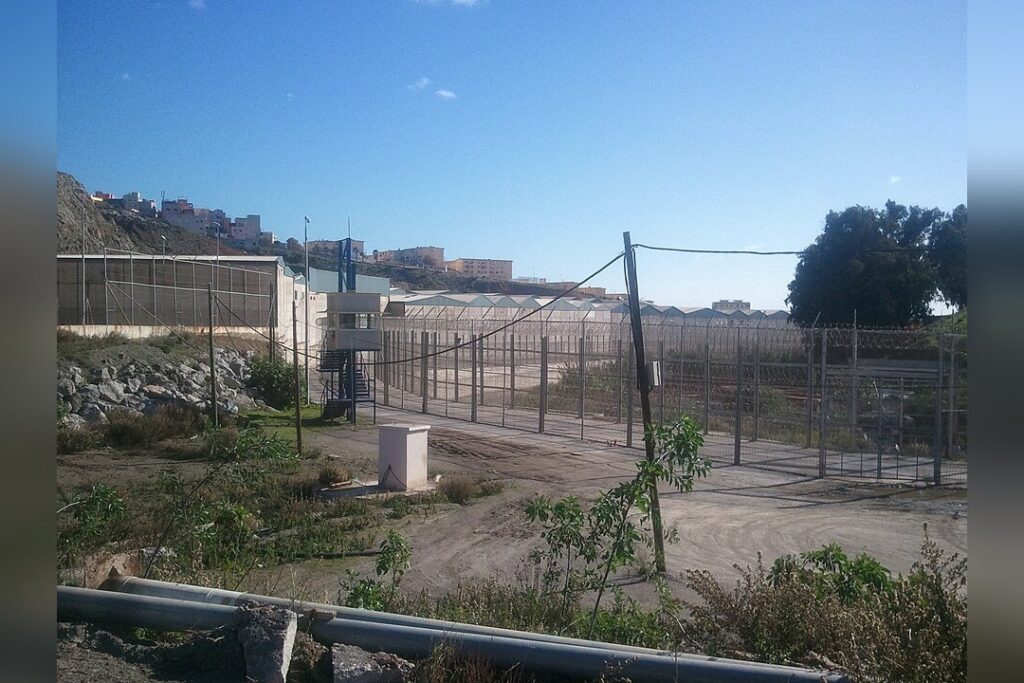
CEUTA, September 15 — More than five thousand migrants who stayed in Spain’s North African territory of Ceuta after July’s mass border influx have returned to Morocco over the past month, the Spanish government announced on Sunday, September 13. Migration Minister Ángel Víctor Torres said 5,321 people had voluntarily returned since August 10, while ninety others had withdrawn their requests for international protection. Nearly a thousand more are being registered to complete their return procedures, according to the government.
The returns close one chapter of an extraordinary episode. On July 30 and 31, more than seventy thousand people crossed into Ceuta — an unprecedented and deadly rush.
Most went back to Morocco within hours. Thousands who remained have since undergone checks to determine whether they qualify for asylum. Unaccompanied minors cannot be summarily deported.
A disputed count
How many migrants are still in Ceuta is contested. The city’s conservative leader estimates around thirteen thousand remain. The national government puts the figure significantly lower.
That gap matters, because it shapes both the scale of the shelter operation and the political argument over whether Madrid has the situation in hand. Authorities are expanding temporary shelter capacity, with plans to reach six thousand places.
The surge itself was reportedly triggered by a court ruling that made it legally more difficult for Spanish authorities to summarily deport land-crossing individuals, requiring longer individual asylum-check procedures instead. Police sources, according to regional updates, have warned the influx signals a worrying reactivation of the migration route crossing the Strait of Gibraltar.
Political stakes in Madrid
The crisis is putting political pressure on Prime Minister Pedro Sánchez ahead of next year’s election. The government has defended its handling, emphasizing voluntary returns and expanded shelter capacity. Opposition figures have criticized the response as insufficient.
What is at stake reaches beyond the enclave. Ceuta sits on Morocco’s northern coast, and the dispute over remaining numbers underscores how hard migration flows are to manage in the region.
As Spain moves toward elections next year, the Ceuta crisis is likely to remain a contentious issue, with potential ramifications for Spain-Morocco relations and broader European Union migration policies. Watch next for the completion of the registration process for those still awaiting return, and for whether the official count of those remaining in Ceuta converges with the city’s own estimate.




