
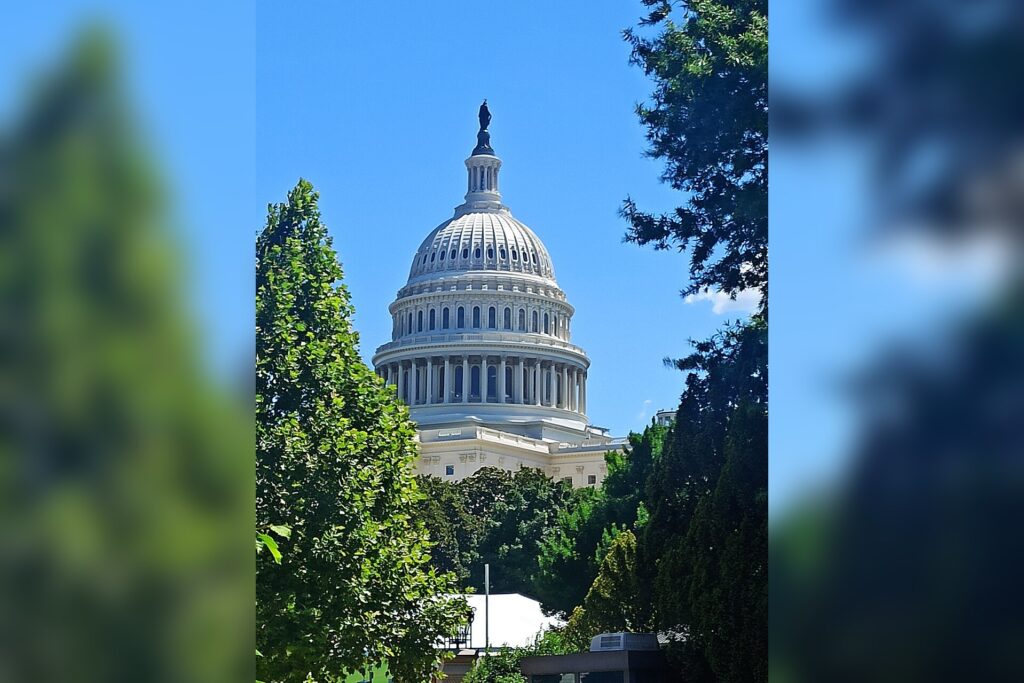
WASHINGTON, September 15 — The House and Senate return to a fall agenda with almost nothing they must pass before the Nov. 3 midterm elections, and the likeliest outcome is that Congress does very little at all. President Donald Trump has already signed a continuing resolution funding the government through Dec. 11, removing the one deadline that would have forced the chambers into sustained legislative work.
The House is expected to be in session for only one week before members head back to their districts, putting the chamber on track to meet or beat its modern record for the earliest election-year departure — Sept. 18, set in 2014.
A thin calendar, and a thinner window
That leaves a short runway for three items that have been floated for the fall: student athlete compensation, a lapse in surveillance powers, and cryptocurrency regulation. Each faces the same arithmetic problem. Strategically, the calculus for leadership is whether any of them can clear both chambers in the days available, and on the current schedule the answer is doubtful.
The Senate’s immediate business is a test vote on a bipartisan cryptocurrency market structure measure. Senate Republicans released a new version of the landmark legislation Sunday night, adding strengthened ethics requirements aimed at attracting Democratic support ahead of a crucial procedural vote Tuesday.
Sen. Cynthia Lummis, R-Wyo., announced the substitute amendment, saying in a statement that “President Trump voluntarily agreed to unprecedented ethics restrictions, holding every federally elected official, judge, and their spouses to some of the toughest ethics restrictions in U.S. history.” Senate Majority Leader John Thune, R-S.D., said Sept. 10 that he expected to fall short of the 60 votes needed to advance — a judgment he made before the most recent changes.
Speaking on Scott Jennings’ radio program from the Republican midterm convention in Dallas, Thune described the Democratic posture toward the president’s priorities in unusually blunt terms. “One of the things that we’ve encountered, and this has been unlike any kind thing I’ve seen in my time in public life is this just constant, constant blockade of Senate Democrats against anything that President Trump wants,” he said.
Treasury Secretary Scott Bessent warned in a Sept. 9 social media post about the consequences of the legislation stalling. “When the Senate returns from August recess, I strongly urge everyone to remain at the negotiating table, agree to the motion to proceed, and continue the legislative process,” Bessent said. “Failing to do so would send a troubling signal to our allies and adversaries alike that America is unwilling to lead on the future of digital assets and willing to forgo enhanced national security tools to combat their misuse.”
NIL next in line, if the crypto vote clears
Thune has said the name, image and likeness bill for college athletes would be second on the Senate’s to-do list after the cryptocurrency measure. Commerce, Science and Transportation Chairman Ted Cruz of Texas and ranking Democrat Maria Cantwell of Washington were pushing the bill before the August recess, but time ran out. Thune told Jennings that passage would give the effort a real chance at becoming law.
“I think if we can pass it and send to the House, we’ve got a chance at making law with it,” he said. The surveillance authorities lapse remains on the broader list of unfinished business, arriving just after last week’s 25th anniversary of the Sept. 11 attacks — a pairing that in past cycles has forced action.
Whether it does so this time depends on whether leadership can find floor time in a calendar that is nearly empty by design. What remains of the session will likely be dominated by political messaging. Both parties are expected to trade shots, and Republicans may call additional votes designed to divide the Democratic caucuses — a tactic that carries its own risk in a year when control of both chambers is on the ballot.
One fixture survives the recess. The annual Congressional Women’s Softball Game, pitting female members against the Washington press corps, is still scheduled for Sept. 23 — now set to be played while the House is out of session.
Watch the Senate’s procedural vote Tuesday on the crypto measure. If it fails, the fall agenda narrows to the NIL bill and little else, and Congress heads into the midterms having legislated almost nothing. That outcome would signal to allies and adversaries alike that Washington has checked out of the digital assets fight at precisely the moment it matters most.




