
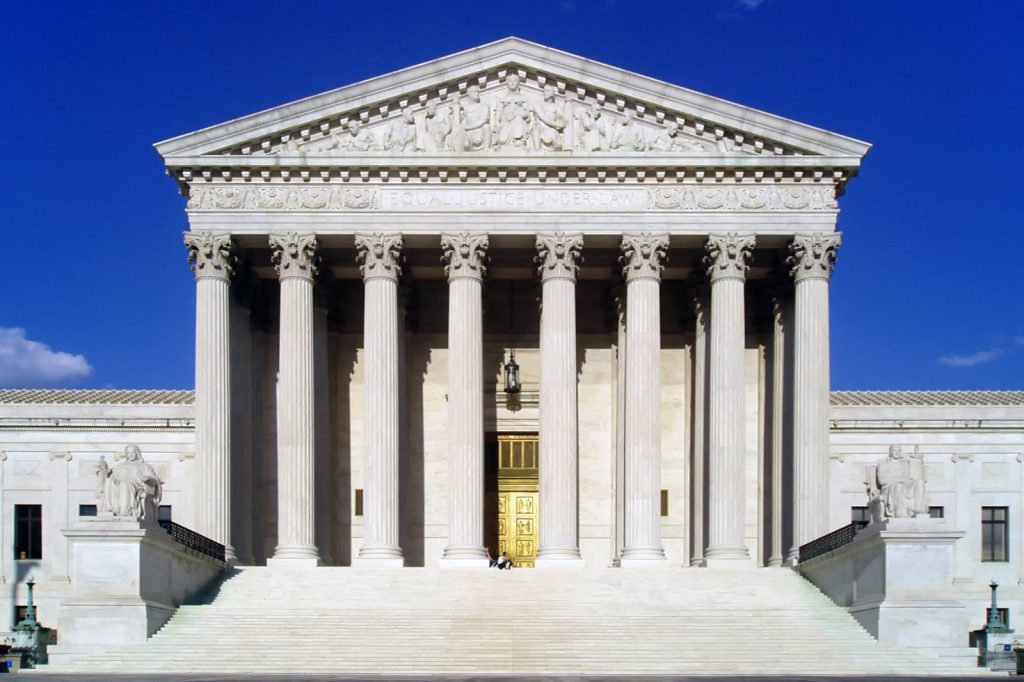
WASHINGTON, June 30 — The United States Supreme Court has upheld birthright citizenship, a constitutional right enshrined in the Fourteenth Amendment, in a ruling that directly undercuts President Donald Trump’s executive order seeking to overturn the long-established principle.
The court’s majority found that Trump’s actions violated the Constitution. Chief Justice John Roberts wrote for the majority that the Fourteenth Amendment guarantees citizenship to “all persons born or naturalized in the United States,” with the sole exception of children of foreign diplomats. “Citizenship, then and now, was the right to have rights — to freely participate in our political community,” Roberts wrote. “The Framers of the Fourteenth Amendment extended that promise to ‘every free-born person in this land.’ We keep that promise today.”
Strategically, the ruling is a significant blow to the Trump administration. The president had sought to alter a foundational element of American nationality law through executive action, a move that the court ruled ran afoul of the constitutional text and decades of precedent.
The concept of birthright citizenship itself is straightforward: any child born on U.S. soil is granted citizenship, with only narrow exceptions. The Fourteenth Amendment, added after the Civil War, was written explicitly to ensure that Black people, including former slaves, would enjoy the equal protections of citizenship. The broader stakes here are clear: the court reaffirmed that this right is not subject to unilateral presidential revision.
The calculus for the White House now turns to the next move. The ruling is definitive, but Trump has shown a willingness to challenge judicial authority. How the administration responds — whether through legislative push or further executive maneuvering — will be the immediate question.
Key precedent for Tuesday’s decision traces back to an 1898 case, United States versus Wong Kim Ark. That case involved a man born in San Francisco to Chinese parents. The Supreme Court at that time upheld his citizenship, setting a legal foundation that has stood for more than a century.
What this signals is a firm judicial check on executive power over citizenship law. The Fourteenth Amendment’s promise, the court made clear, is not a policy lever to be pulled by any single administration. The ruling reinforces that the constitutional framework, not executive order, governs who is American by birth.
For now, the legal landscape is settled. The political landscape is not.
{“@context”: “https://schema.org”, “@type”: “NewsArticle”, “headline”: “Supreme Court Ruling on Birthright Citizenship Explained”, “description”: “WASHINGTON, June 30 — The United States Supreme Court has upheld birthright citizenship, a constitutional right enshrined in the Fourteenth Amendment, in a ruling that…”, “datePublished”: “2026-06-30 22:37:53T09:30:00+00:00”, “author”: {“@type”: “Person”, “name”: “Noah King”}, “publisher”: {“@type”: “Organization”, “name”: “InfoPulse Today”, “url”: “https://newsfeed.infopulsetoday.com/”}}




