
The Ruling and Its Rationale
The decision reshapes the money-in-politics landscape just months before the 2026 midterm elections. Both major parties now have a green light to consolidate fundraising and deploy it in a coordinated fashion, blurring the line between party committees and campaign war chests. Critics warn the ruling will amplify the influence of big donors who fuel party coffers, while supporters argue it simply recognizes that parties—unlike outside super PACs—should be able to speak freely alongside their own candidates.
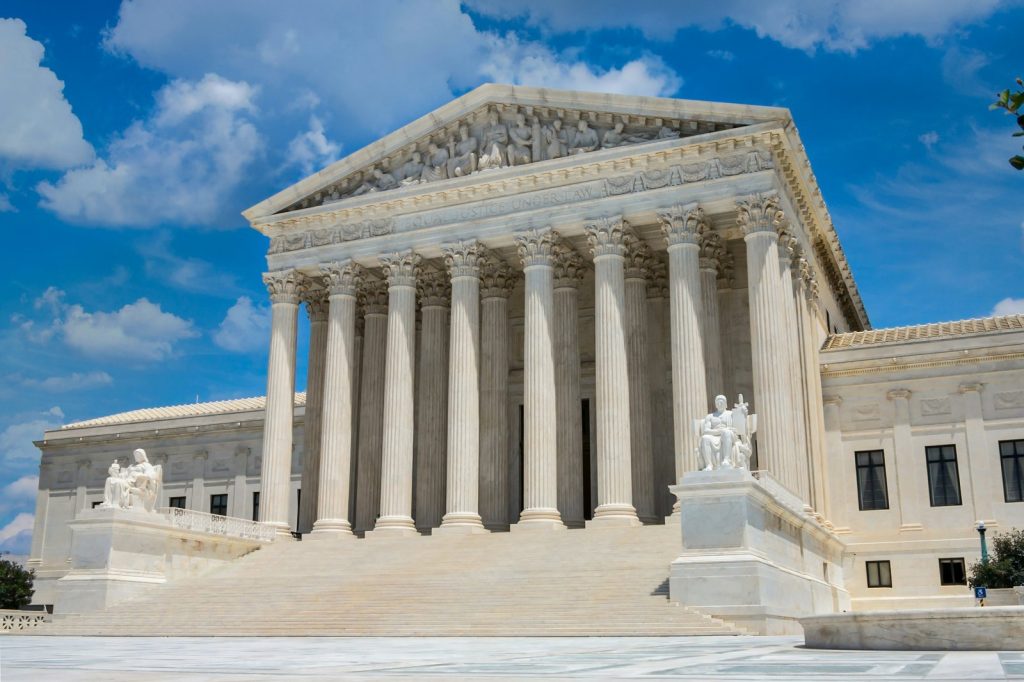
The case originated from Vance’s long-running legal fight against the FEC’s coordination rules. As a senator and later as vice president-elect, Vance had challenged the agency’s interpretation of the Federal Election Campaign Act, arguing that limits on party-candidate coordination violated First Amendment protections for political speech. The Supreme Court’s decision effectively adopted that reasoning, erasing caps that had been in place for decades. No other court can review the ruling; the Supreme Court is the highest judicial body in the United States and acts as the final court of appeal. Its rulings bind all other courts in the nation, ensuring a uniform interpretation of the law across the federal system–a structure that differs from civil law states, which often lack a single highest court. This authority gives the court a significant role in shaping national policy, and because its decisions are final, the court can change how laws are applied to every citizen. The composition of the court is therefore a major point of national focus.
Implications for the 2026 Midterms
What comes next is unclear. The FEC could seek legislative fixes, though a divided Congress appears unlikely to act on any proposed changes. For now, the old rules are dead. The parties are free to spend unlimited sums in coordination with their candidates, and both major party campaign committees are expected to quickly adjust their strategies ahead of November’s elections. The ruling does not affect limits on direct contributions to candidates, but it removes the barriers that prevented parties from effectively merging their spending with the candidate’s own advertising and outreach apparatus.
The decision is the latest in a series of Supreme Court rulings that have loosened campaign finance restrictions, following earlier cases that struck down limits on independent expenditures by corporations and unions. Unlike those independent actors, however, parties are now explicitly allowed to coordinate their spending–a change that could give party leaders more control over messaging and resource allocation while potentially reducing the influence of outside groups that operate independently. Critics of the ruling say it will further empower wealthy donors who contribute large sums to party committees, while supporters counter that parties are accountable to voters in ways that super PACs are not.
The 2026 cycle will be the first test of the new rules. Campaign strategists from both parties are already factoring the change into their planning, and the FEC, now operating with a stripped-down set of enforcement tools, faces the prospect of interpreting a campaign finance landscape that looks markedly different from the one it regulated just weeks ago.




