
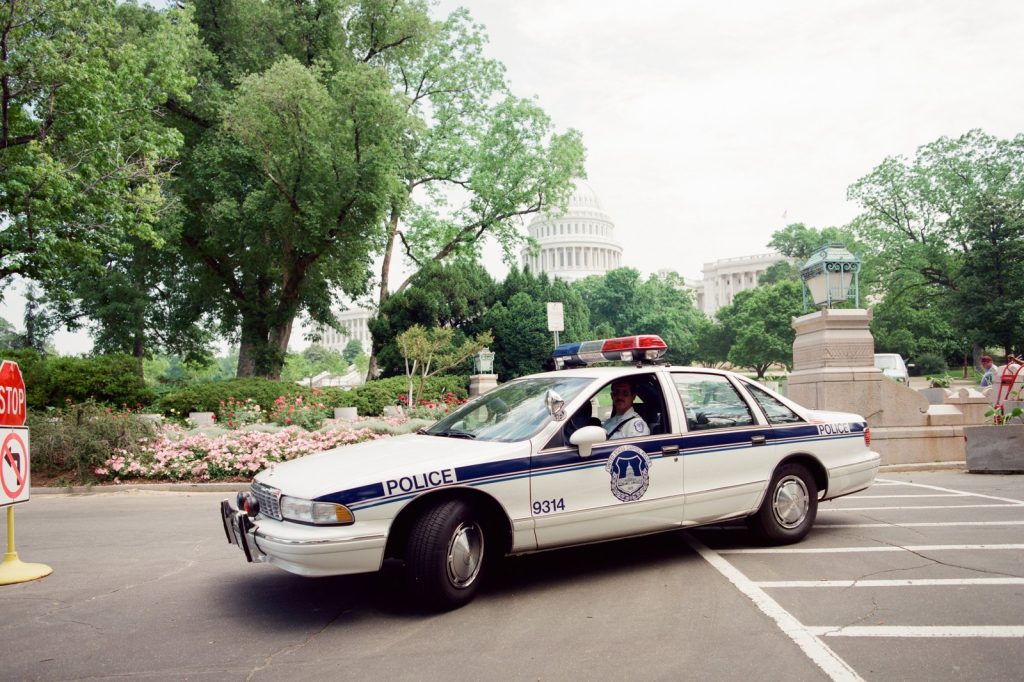
Two United States Capitol Police officers have filed a lawsuit in federal district court seeking to prevent individuals who participated in the January 6, 2021, riot from accessing a $1.8 billion settlement fund. The legal action raises a core question that has not been definitively resolved: whether those who attacked the Capitol can also be considered victims eligible for compensation. The fund was established to provide financial assistance to people who suffered harm during the riot, including lost income, trauma-related expenses, and medical bills.
The two officers, who are not named in the court filing, argue that the fund was never intended to benefit the very people who caused the violence. They contend that rioters cannot simultaneously be the source of the harm and recipients of the remedy.
Both officers sustained physical and emotional injuries while defending the Capitol building on January 6. They witnessed the mob breach doors, shatter windows, and search for lawmakers. Now, they are watching legal arguments unfold over whether those same rioters may file claims for compensation.
The officers’ anonymity is deliberate. Since the riot, individuals who defended the Capitol have faced threats, harassment, and doxxing.
Keeping their names out of the lawsuit is intended to protect them from further targeting. However, the legal argument they present is public and direct. The January 6 riot resulted in thousands of criminal cases, hundreds of convictions, and ongoing political controversy.
The settlement fund represents one of the few mechanisms designed to distribute money to those affected by the attack. If rioters are permitted to draw from the fund, the available resources for other claimants would be reduced.
The United States Capitol Police operates as a federal law enforcement agency with nationwide jurisdiction. It reports to the Capitol Police Board rather than the Justice Department or the White House, making it the only police force appointed by the legislative branch. This structural independence is significant.
The USCP holds primary jurisdiction within the Capitol Complex but shares concurrent jurisdiction with other agencies outside it. On January 6, this jurisdictional overlap contributed to operational challenges.
The FBI and the Department of Homeland Security continue to investigate the riot, with the USCP cooperating in those efforts. The settlement fund operates as a separate civil mechanism addressing what was a criminal event, creating a conflict that the criminal courts have not resolved. The lawsuit presents a binary choice: either the fund covers all individuals affected by the riot, including participants, or it does not.
The officers are advocating for a narrow interpretation that excludes anyone who joined the attack. The legal question is novel, as there is no precedent for a situation where both attackers and defenders seek compensation from the same fund.
The officers’ injuries are documented, and their emotional trauma is acknowledged. However, the fund’s language may be broad enough to encompass rioters. A ruling in favor of the officers would bar rioters from accessing the fund entirely. A ruling against them would open the door to claims from individuals who stormed the building.
Either decision will establish a precedent for how the country addresses the financial aftermath of political violence. The officers are not seeking additional compensation for themselves; they are asking that rioters receive none.




