
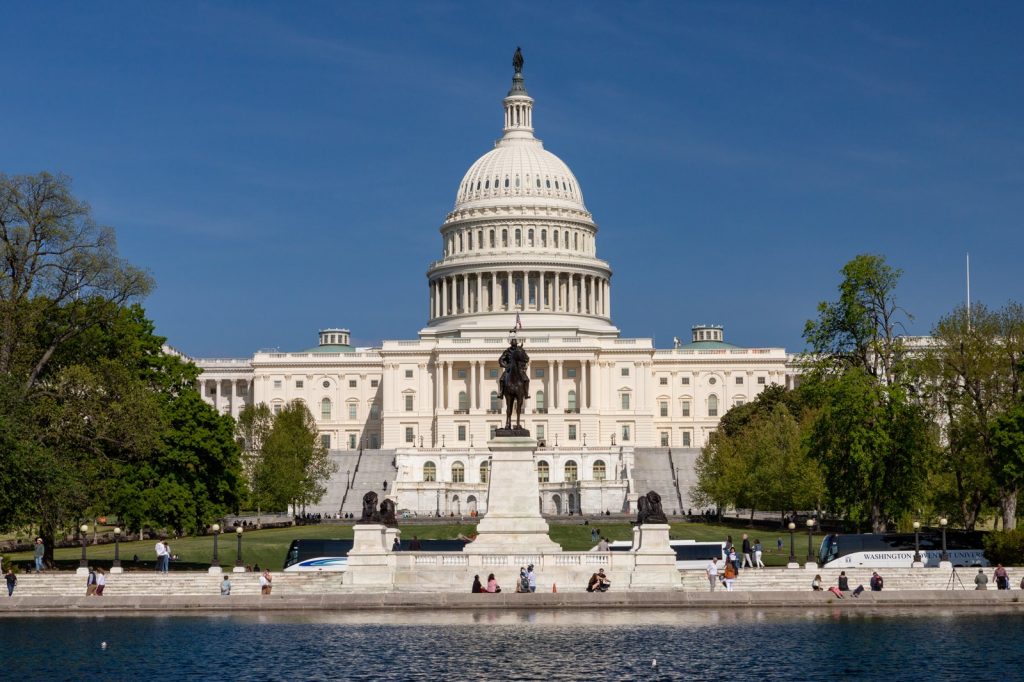
WASHINGTON, July 14 — The constitutional debate over who can send American forces into combat has resurfaced, as a new notification triggers a 60-day clock for Congress to debate and vote on military authorization. The U.S. Constitution grants Congress the power to declare war under Article I, Section 8, while the president serves as commander-in-chief under Article II, Section 2. The War Powers Resolution of 1973 attempted to reconcile these competing authorities, though its constitutionality has been debated ever since.
The last formal declaration of war by Congress came during World War II, in 1941 and 1942. Since then, the United States has relied on authorizations for use of military force, or AUMFs, to justify military action in Korea from 1950 to 1953, Vietnam from 1964 to 1973, the Persian Gulf in 1991, Afghanistan from 2001 to 2021, and Iraq from 2003 to 2011.
Two AUMFs remain in effect today. The 2001 AUMF, passed on September 14, 2001, authorized force against those responsible for the September 11 attacks. The 2002 AUMF, passed on October 16, 2002, authorized force against Iraq.
Some have argued these existing AUMFs could cover military action against Iran, citing its support for groups the U.S. considers terrorist organizations. Many lawmakers, however, insist a new, specific authorization is needed.
The current notification raises constitutional questions about executive overreach, as it sets in motion the 60-day review period under the War Powers Resolution. Congress now has two months to debate and vote on whether to authorize the use of force.
A history of debate
In 2019, the Senate passed a resolution, S.J. Res. 68, that sought to limit then-President Donald Trump’s ability to use force against Iran without congressional approval. That resolution was vetoed.
The 2001 and 2002 AUMFs have been a point of contention for years. Some lawmakers argue their broad language has allowed presidents to conduct military operations far beyond what Congress originally intended.
Others maintain the authorizations remain necessary for ongoing operations against terrorist networks. The current situation places the burden on Congress to act. If lawmakers fail to pass a new authorization or to reject the president’s action, the 60-day clock could expire without a clear congressional position, leaving the constitutional question unresolved.
What to watch
The coming weeks will test whether Congress can reach consensus on a new AUMF. Lawmakers on both sides have expressed concerns about the scope of existing authorizations, but agreement on replacement language has proven elusive.




