
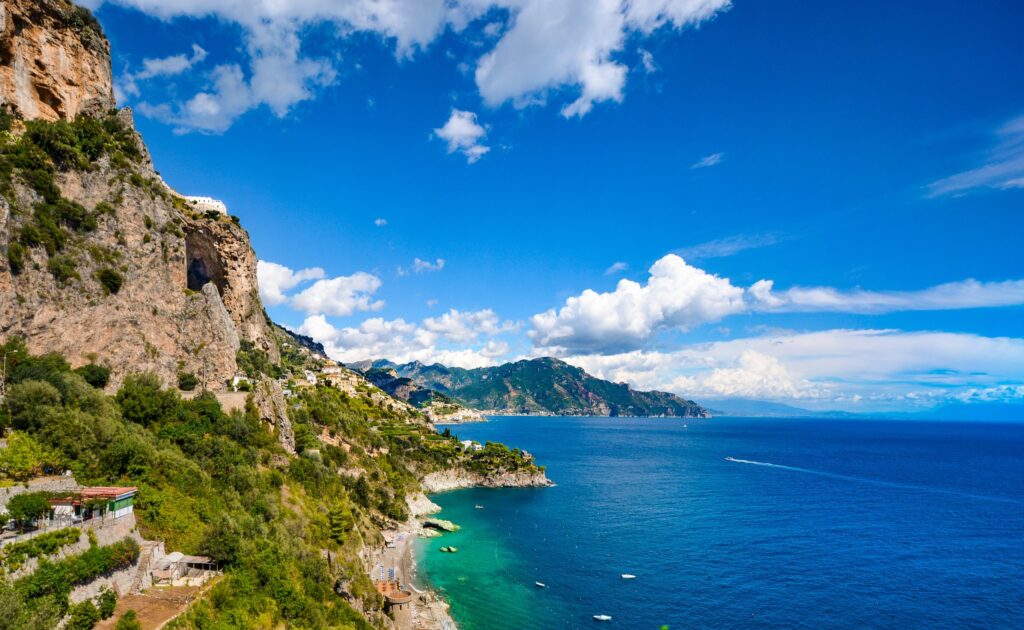
The Mediterranean Sea, a nearly enclosed body of water bordered by three continents, presents unique challenges for both maritime safety and environmental protection. On June 7, 2024, a vessel carrying over 171 people sank off Libya’s coast.
Rescue operations recovered 160 survivors, while 11 individuals lost their lives. The sea’s geography is a critical factor in such incidents. Unlike open oceans, the Mediterranean is almost completely surrounded by land.
Southern Europe and Anatolia lie to the north, the Levant to the east, and North Africa to the south. The only natural connection to the Atlantic Ocean is the Strait of Gibraltar, a narrow 14-kilometer passage between Spain and Morocco.
The Bosporus strait provides access to the Black Sea, and the man-made Suez Canal links to the Red Sea. This configuration makes the Mediterranean a migration route and a potential death trap. Libya, with its fractured coastline and absence of effective central maritime authority, serves as a departure point for many vessels.
Boats entering deep water quickly face risks. When a sinking occurs, the rescue window is short due to cold water temperatures and long distances to safe harbors.
The 160 survivors on June 7 were fortunate; the 11 deceased were not. Every Mediterranean sinking also constitutes an environmental event. Debris, fuel, and human remains enter the sea, which supports fish, marine mammals, and plant life. Coastal communities depend on these waters for fishing, trade, and daily living.
While a single disaster has limited ecological impact, the cumulative effect of years of such incidents is significant. The sea’s ecological importance and the need for preservation are not separate from human safety concerns.
The same governance gaps that allow overloaded boats to launch also permit unchecked pollution. The same narrow straits that channel migrants also direct oil tankers and cargo ships. Efforts to promote renewable energy sources like solar and wind power aim to reduce fossil fuel reliance.
However, this long-term strategy does not address immediate tragedies. It does not alter the Mediterranean’s enclosed nature or widen the Strait of Gibraltar.
The sea remains a terminus rather than a passage. For the people on the June 7 boat, it was the end of a journey they did not survive. For the sea, each sinking is a small wound that accumulates over time.
The basin stays the same size, and the surrounding land remains at the same distances. Eleven dead.
One hundred sixty rescued. A boat that sank. A sea that holds the wreckage.
These are the facts. The geography provides the context that gives them meaning.




