
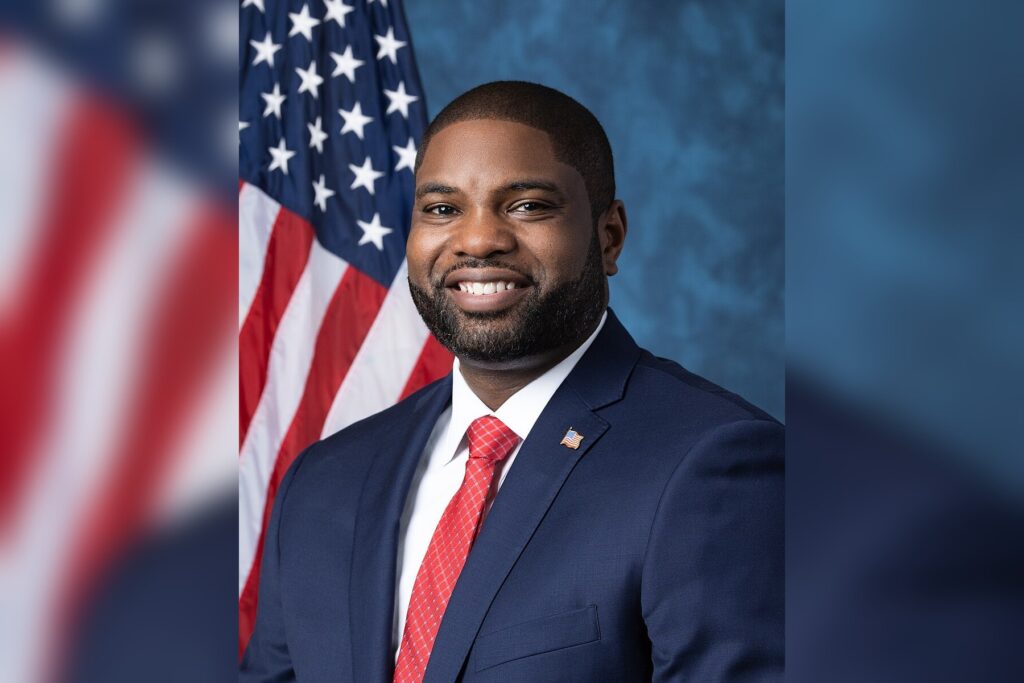
TALLAHASSEE, Sept. 9 — Republican gubernatorial nominee Byron Donalds went on the air Wednesday with two new ads built around affordability, the issue his campaign has cast as the race’s defining fight since the Primary. The first spot, “Broke,” features Donalds and his wife, Erika Donalds, recalling the early years of their marriage, when both worked two jobs. “When we got married, we worked two jobs each, and we were still broke,” she says, noting the couple could not afford plane tickets and honeymooned in Fort Lauderdale instead.
“We know what it’s like to struggle. That’s why Byron will bring down costs for Florida families.” The ad closes with the campaign’s long-running tagline: “Byron Donalds: A More Affordable Florida.” The second ad, “Hurricane Tax,” goes after Democrat David Jolly’s insurance proposal, claiming a new study shows it would cost Florida families $1,000 per year regardless of where a storm makes landfall.
The spot says the plan would raise home, car and renters insurance, calling it “A giant bailout for big insurance. A giant rip-off for you,” and ends with “David Jolly: A total disaster for Florida.” The campaign did not name the study behind the $1,000 figure.
The closest public reference surfaced Tuesday on FloridaPolitics.com, where former state Sen. Jeff Brandes cited a Florida State University feasibility study prepared for the Legislature’s Office of Program Policy Analysis and Government Accountability, estimating Jolly’s proposed structure could raise the state’s risk exposure by at least $20 billion. Brandes also deployed the phrase “hurricane tax,” which Citizens Property Insurance has long used for post-storm assessments on policyholders who never filed a claim.
“The storm doesn’t change. Who pays does,” Brandes wrote. Strategically, the two plans could not diverge more sharply.
Jolly would expand the state Catastrophe Fund to absorb hurricane and wind risk outright, leaving private carriers with fire, theft and other coverage. He puts startup costs at $30-$40 billion and claims the shift would cut private premiums by 60% to 70%, comparing the structure to Medicare. Donalds instead proposes an insurer scorecard pairing rate data with claims performance, arguing regulatory changes could reduce rates by as much as 20% while keeping risk off the state’s books.
The broader stakes are clear in the ad-buy cadence. The Friends of Byron Donalds PAC ran similar spots in late August titled “More for It” and “Keep It,” the latter also leaning on Donalds’s paycheck-to-paycheck upbringing.
Erika Donalds does most of the talking in the new first ad — a deliberate shift in messenger as the general election tightens. Jolly had predicted this advertising run for weeks. “Screaming ‘socialism’ didn’t work for Byron, screaming ‘radical’ didn’t work for him, vicious trans ads didn’t work, so now he’ll be angry about taxes this week,” he said last month.
What this signals for the closing stretch: Gov. Ron DeSantis endorsed Donalds last week after months of holding back, and The Cook Political Report moved the race to Likely Republican in late August. A Democratic internal poll, however, had Jolly up one point.
Donalds holds a large fundraising advantage — the main reason to expect more ads like the second one as both campaigns calculate their final paths to November.




