
LONDON, September 27 — The story begins with a confession. Alesandra Dubin, a travel writer who had spent years covering destinations by planes, trains and automobiles, had actively avoided cruising. She believed it was not for her.
Crowded buffets, brightly colored drinks, possibly limbo contests — that was the picture in her head. Cruising, she felt, conflicted with the way she liked to travel: exploring a place, experiencing its culture, feeling she had actually been somewhere rather than stepping off a ship for a few hours.
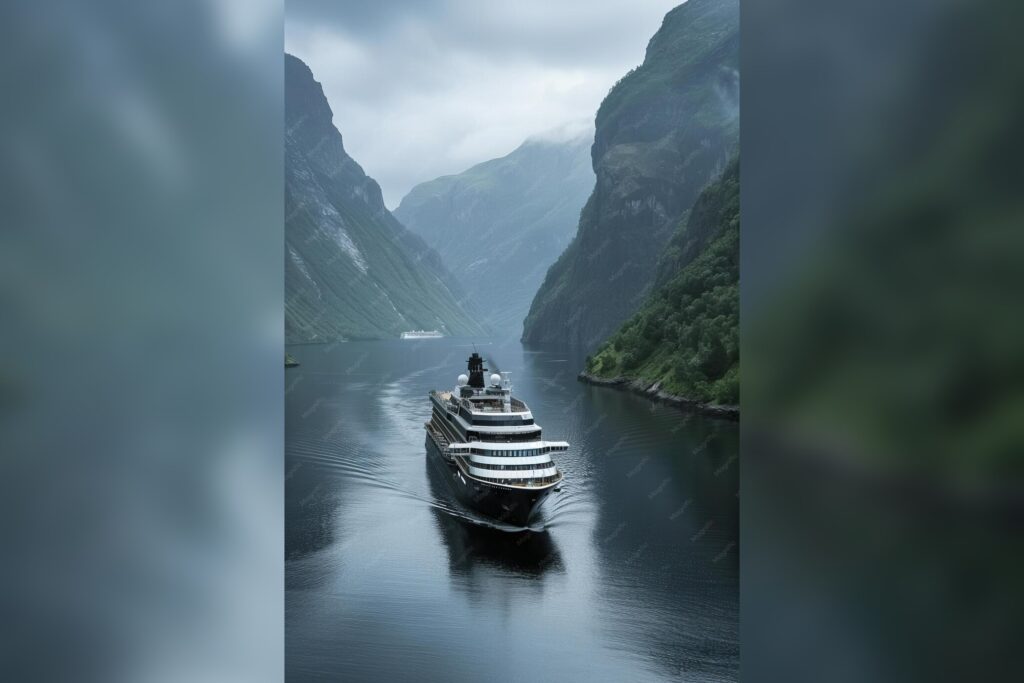
Then she sailed. On September 21, Dubin published a first-person account of her first-ever cruise, a nine-night sailing through Northern Europe aboard the luxury ship Crystal Serenity. The voyage ran from Southampton, England, to Copenhagen, Denmark, with port stops including Bruges, Rotterdam, Hamburg and Oslo.
She traveled with her husband and embarked in Southampton.
Starting at the very high end
Dubin attached an important caveat to her conversion: she started at the very high end, sailing with Crystal, a luxury cruise line, and staying in a Sapphire Veranda Suite. The suite, she wrote, felt more like the upscale hotel suites she reviews on land than her previous idea of a cruise stateroom. It included a veranda, a proper walk-in closet, a roomy bathroom with a rainfall shower, and butler service.
The ship felt sophisticated and grown-up, with elevated restaurants, live entertainment, a spa, a casino, art classes, and lectures from experts including celebrated university professors. What unfolded over those nine nights was, at its heart, a rebuke of her own assumptions.
Dubin described herself as a restless traveler who tends to cram too many destinations into one trip, spending excessive time packing, unpacking, schlepping bags through train stations and checking into hotels. On the ship, she unpacked once, placed her clothes in the walk-in closet, slid her empty suitcase under the bed, and stayed put for nine nights — while still waking up in different places around Europe. Her suite came with daily pressing, cleaning and laundry service.
She slept so well she began setting her alarm for 10 AM so as not to miss the late-riser breakfast from 10 to 11. There was so much onboard she wanted to do, she wrote, that she did not want to sleep the day away.
Lectures, painting and a blackjack tournament
Addressing her biggest misconception, Dubin listed the onboard options: art and jewelry-making classes, live shows, a movie theater, pools, a spa, and lectures on history and other topics. She attended lectures where she was among the youngest people in the room. She took an acrylic painting class inspired by Delft pottery while sailing around the Netherlands.
And she spent time at Le Casino de Monte Carlo, where she parlayed slot-machine winnings into the entry fee for a blackjack tournament and finished third. On days aboard, she walked the promenade, attended high tea, borrowed books from the onboard library, and noted pickleball her husband wanted to try but they never got to.
Dining was a highlight. She found the food elevated and beautifully presented, with no dishes repeated in the main dining room. Standouts included Umi Uma, the ship’s Japanese restaurant created by chef Nobu Matsuhisa, and Osteria d’Ovidio, the Italian restaurant with a menu created in partnership with Michelin-starred chefs the Alajmo brothers.
Dubin noted that Massimiliano Alajmo became the youngest ever to receive three Michelin stars. As a non-meat-eater, she was skeptical about Beefbar but had a kale and avocado salad there she said just about changed her life.
The account was published under a Creator byline, updated Monday, September 21, 2026, at 7:35 PM UTC, and ran about eight minutes in reading length. For those involved — and for anyone who has written off a cruise on the strength of a buffet line and a limbo contest — the piece lands as a reminder that the entry point shapes the verdict. Dubin’s own caveat says as much.
What to watch next: whether the reluctant-cruiser conversion becomes a broader pattern in travel writing, and whether the luxury tier keeps drawing in travelers who once swore they would never set foot on a ship.




