
A securities fraud lawsuit against AeroVironment has entered its early procedural phase, placing shareholders who purchased stock during the alleged fraudulent period on notice that they have a limited window to participate. The case, announced by the law firm Glancy Prongay Wolke & Rotter LLP, invites affected investors to step forward before the court selects a lead plaintiff, a step that typically occurs within 60 to 90 days of the public notice.
The lead plaintiff—an individual or group—serves as the class representative, directing the litigation on behalf of all shareholders in the class.
AeroVironment’s Profile and the Stakes in the Case
AeroVironment is a longstanding American defense technology company with a history rooted in innovation. Founded in 1971 by Paul B. MacCready Jr., the firm originally focused on human-powered aircraft before expanding into solar-powered planes and unmanned aircraft for national security missions.
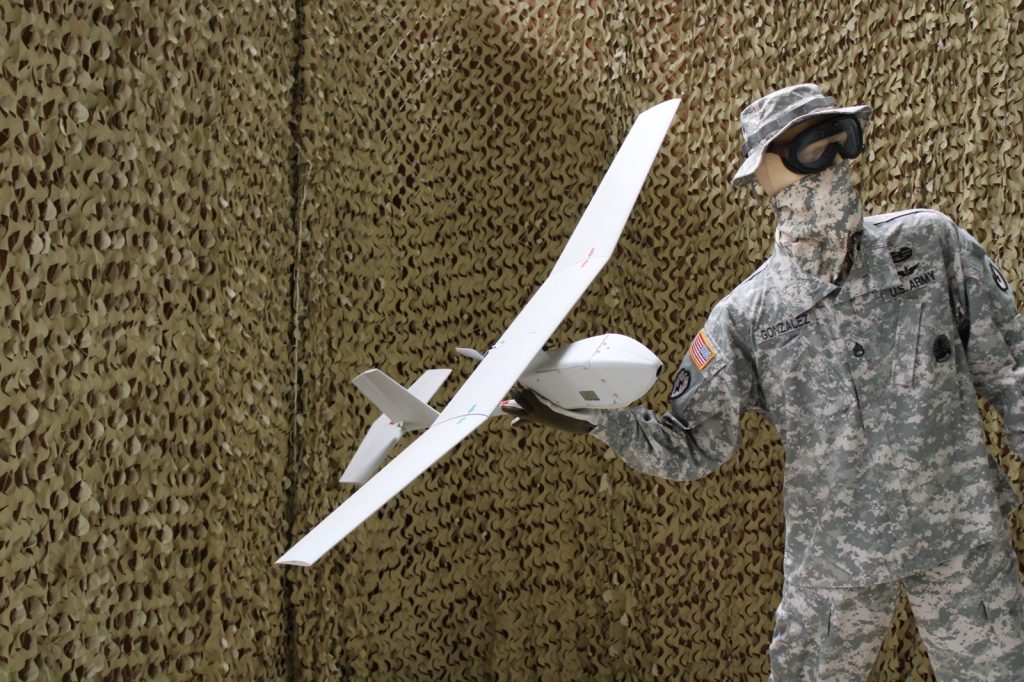
Today, it supplies small and medium-sized drones—including the Puma, Raven, Wasp, and Switchblade systems—to the U.S. Department of Defense and foreign militaries. In 2025, AeroVironment expanded its capabilities by acquiring BlueHalo, a developer of counter-unmanned aircraft systems (UAS), cyber, and space technologies.
The company’s international fortunes have been shaped by geopolitical tensions. Following U.S. arms sales to Taiwan, the Chinese government sanctioned AeroVironment. Subsequently, the Chinese Ministry of Commerce added the firm to an export control list, barring the export of dual-use commodities to the business.
These developments carry weight because AeroVironment holds a multi-billion dollar market capitalization and maintains deep ties to government defense spending. Legal disputes involving shareholders can affect the perceived stability of a firm that supplies critical military hardware and space communications systems, making the outcome of this securities case significant for both investors and defense policymakers.
Legal Timeline: From Lead Plaintiff to Potential Discovery
Once the court appoints a lead plaintiff within the 60-to-90-day window, that party’s legal team will file an amended complaint. This document will detail which specific statements by AeroVironment are alleged to be fraudulent and how those statements moved the stock price—essentially connecting the company’s public claims to investor losses.
AeroVironment will then have the opportunity to file a motion to dismiss the case. If a judge denies that motion, the lawsuit advances to discovery, the phase where both sides exchange evidence, including internal emails, financial records, and witness testimony. Discovery is often the stage where the factual picture emerges most clearly.
Many securities class actions settle before reaching trial, with settlements often ranging from millions to hundreds of millions of dollars. However, the entire process—from filing to resolution—can take several years.
The specific timeline for this case has not been provided in the source material. If the court grants AeroVironment’s motion to dismiss, the case ends early. If it does not, discovery begins, building the factual record that will inform any settlement or trial.
Shareholder Decisions and the Road Ahead
For shareholders who bought stock during the alleged fraud period, the immediate decision is whether to contact the law firm and seek lead plaintiff status before the 60-to-90-day window closes. That choice carries practical implications: the lead plaintiff will direct litigation on behalf of the class, a role that can influence the scope and strategy of the case.
Even without taking the lead, investors remain part of the class and may benefit from any settlement or judgment, though the process must run its course over what could be several years. The legal proceedings unfold against a backdrop of AeroVironment’s sensitive position as a defense contractor. The company’s drone systems—widely used by U.S. and allied forces—and its recent expansion into counter-UAS and space technologies through the BlueHalo acquisition make it a key player in national security.
The Chinese sanctions and export restrictions already add a layer of operational uncertainty. Shareholders weighing their options must consider not only the legal timeline but also how the case’s outcome could affect the company’s market standing and its ability to continue serving government contracts.
The immediate window to act is short, but the broader impact of the litigation may take years to unfold.




