
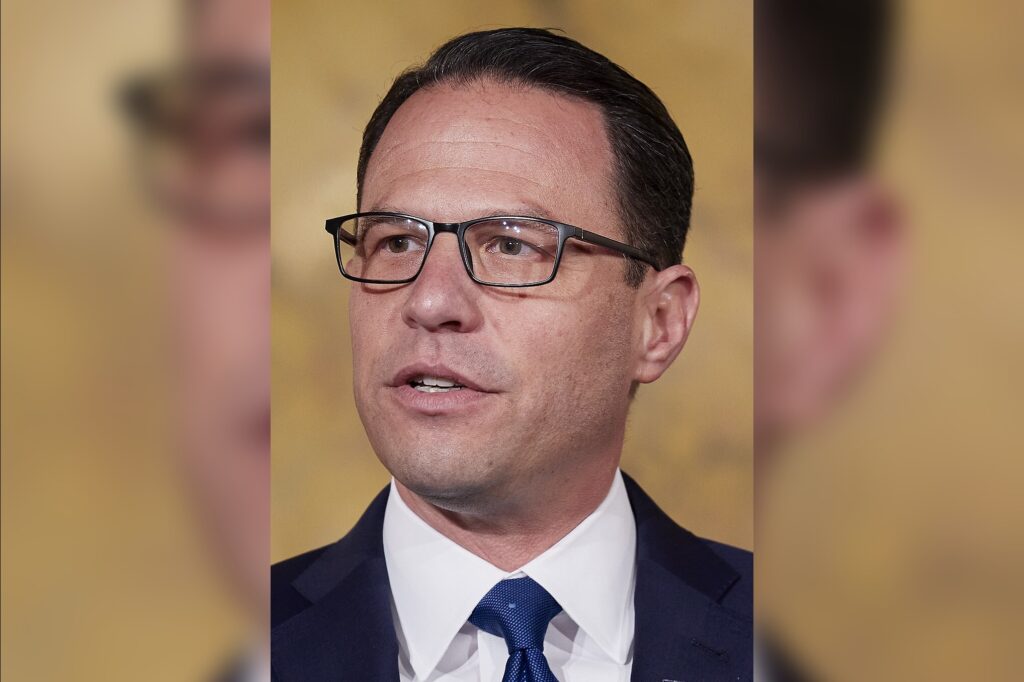
Josh Shapiro’s name will not appear on the Democratic ticket. That much is settled. The Pennsylvania governor was passed over.
Jonathan Turley, writing in the aftermath, pinned the blame squarely on one thing: Shapiro caved to the party’s progressive wing. What happens next for Shapiro is the question.
He is still governor of a key swing state. He still won that state by a comfortable margin. His record as attorney general and governor remains intact.
But the national conversation has moved on. The vice-presidential slot is filled.
The convention is over. Turley’s argument is specific. Shapiro had a path.
He was the moderate Democrat who could deliver Pennsylvania. He was the former prosecutor who campaigned on competence. That brand, Turley says, was real.
Then the progressive activists demanded more. Medicare for All.
The Green New Deal. Ideological purity. Shapiro tried to accommodate them.
He folded. He ended up pleasing no one.
The structural reality is brutal. The Democratic base is shifting. Young Americans are falling in love with socialism, as one headline in the same publication put it.
That creates a numbers problem for any candidate who runs on centrist competence. The activist base does not want competence. It wants ideological commitment.
Shapiro could not give that without abandoning his own record. So what is the next move?
Shapiro has to decide what kind of governor he will be for the remainder of his term. He can double down on the moderate, results-driven approach that got him elected. That would mean pushing infrastructure deals, education funding, and bipartisan criminal justice reforms in Harrisburg.
It would mean ignoring the national progressive noise entirely. Or he can continue trying to build bridges to the left.
That path is riskier. Turley argues it already cost him the vice-presidential slot. If Shapiro keeps bending, he may lose his identity as the adult in the room.
He may end up with no clear constituency at all. The calendar offers some clarity. Pennsylvania’s next gubernatorial election is 2026.
Shapiro cannot run again. He is term-limited.
That means his window for national relevance is tight. He has roughly two years to prove that his centrist brand still works before the 2028 presidential cycle begins. Candidates start organizing early.
Shapiro will need to show he can win again, or he will be written off as a one-cycle contender. There is also the question of the Democratic Party’s internal machinery.
The progressive wing is not going away. The structural problem Turley identified is not a one-time thing. It is a permanent feature of coalition politics.
Shapiro’s fate is a warning to every other moderate Democrat with national ambitions. The activists will demand purity. The base is shifting left.
The numbers are real. Shapiro’s immediate next steps are mundane.
He will govern Pennsylvania. He will sign bills. He will make appointments.
He will give speeches. But every move will be read through the lens of 2028.
Every compromise with the left will be noted. Every refusal to compromise will be noted too. Turley’s conclusion is harsh but direct.
Shapiro could have been a contender. He caved to the loons. That is the verdict.
The question now is whether he can rebuild from that loss or whether the cave was permanent.




