
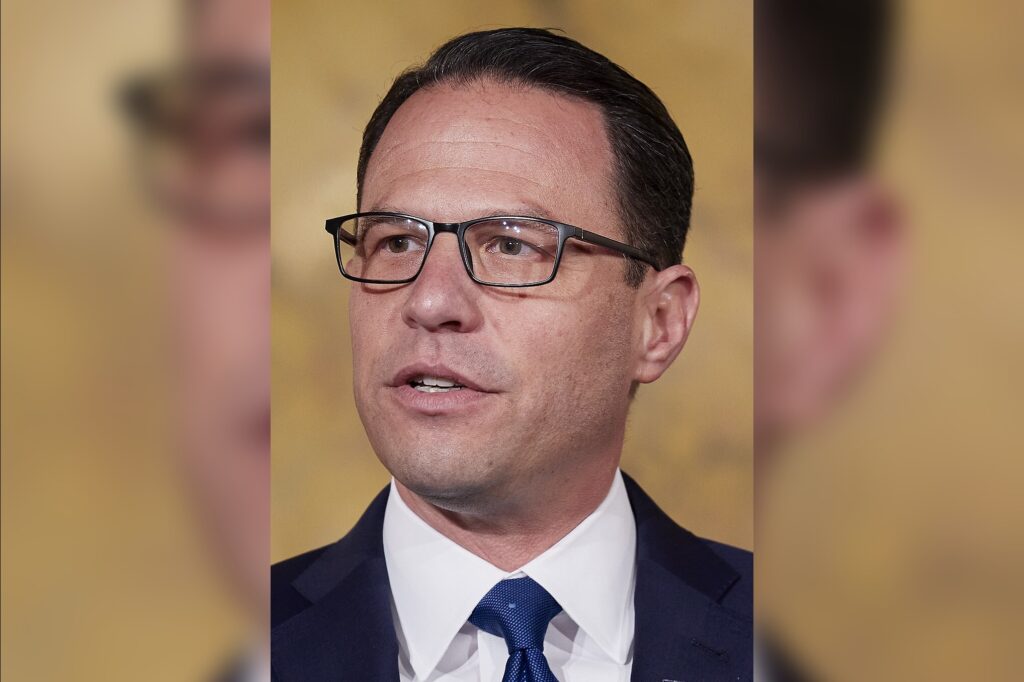
The Democratic Party’s activist base has been drifting left for years. Young Americans are falling in love with socialism, as one headline in the same publication notes. That shift created a structural problem for Josh Shapiro long before Kamala Harris’s search for a running mate began.
Shapiro entered the national conversation at the worst possible moment. The party’s internal factions were sharpening their knives.
The progressive wing wanted a candidate who would embrace Medicare for All and the Green New Deal. Shapiro, a former state prosecutor who campaigned on competence rather than ideology, was never going to satisfy that demand. Jonathan Turley argues that Shapiro folded under pressure from the party’s progressives.
He caved to the loons, Turley writes. The Pennsylvania governor lost his contender status for the Democratic vice-presidential nomination because he tried to appease the activists and ended up pleasing no one.
It was a brutal political calculation. Shapiro’s record as attorney general and governor included positions that once seemed to position him as a centrist bridge-builder. He won a key swing state.
He delivered results in a purple state. He could have run as the adult in the room. But the party’s activist base demanded ideological purity.
Shapiro could not deliver that without abandoning his own brand. He tried anyway.
He caved. And the progressives did not reward him for it. Turley’s argument is not subtle.
Shapiro’s problem was timing. He entered the national conversation just as the party’s internal factions were sharpening their knives.
The Democratic coalition is brutal. The numbers don’t lie. Young Americans are falling in love with socialism.
That shift in the Democratic base creates a structural problem for candidates like Shapiro. The Pennsylvania governor was widely discussed as a potential running mate for Kamala Harris. His profile as a moderate Democrat who won a key swing state made him an obvious choice.
But Turley suggests that Shapiro’s perceived capitulation to the left cost him the opportunity. Turley’s piece is not a eulogy.
It is a warning. The Democratic Party’s progressive wing is not interested in bridge-builders. They want ideological purity.
They want candidates who will embrace Medicare for All and the Green New Deal. Shapiro, a former state prosecutor who campaigned on competence rather than ideology, was never going to satisfy that demand.
He tried anyway. He caved. And the progressives did not reward him for it.
The political calculation is brutal. Shapiro could have run as the adult in the room, the governor who delivered results in a purple state. Instead, Turley argues, he tried to appease the activists and ended up pleasing no one.
This is the backstory of how a contender became a cautionary tale. It is the story of a candidate who entered the national conversation at the worst possible moment, who tried to bridge a gap that was too wide, who caved to the loons and lost his chance.
The numbers don’t lie. Young Americans are falling in love with socialism. The Democratic Party’s activist base is moving left.
Candidates like Shapiro are caught in the middle. They cannot satisfy the progressives without abandoning their own brand.
They cannot win the general election without the progressives. Turley’s argument is that Shapiro tried to have it both ways. He tried to appease the activists and ended up pleasing no one.
He caved to the loons and lost his contender status. The lesson is not subtle. The Democratic coalition is brutal.
The party’s internal factions are sharpening their knives. Candidates like Shapiro are caught in the middle.
They cannot satisfy the progressives without abandoning their own brand. They cannot win the general election without the progressives. Shapiro’s problem was timing.
He entered the national conversation just as the party’s internal factions were sharpening their knives. The progressive wing wanted a candidate who would embrace Medicare for All and the Green New Deal.
Shapiro, a former state prosecutor who campaigned on competence rather than ideology, was never going to satisfy that demand. He tried anyway. He caved.
And the progressives did not reward him for it.




