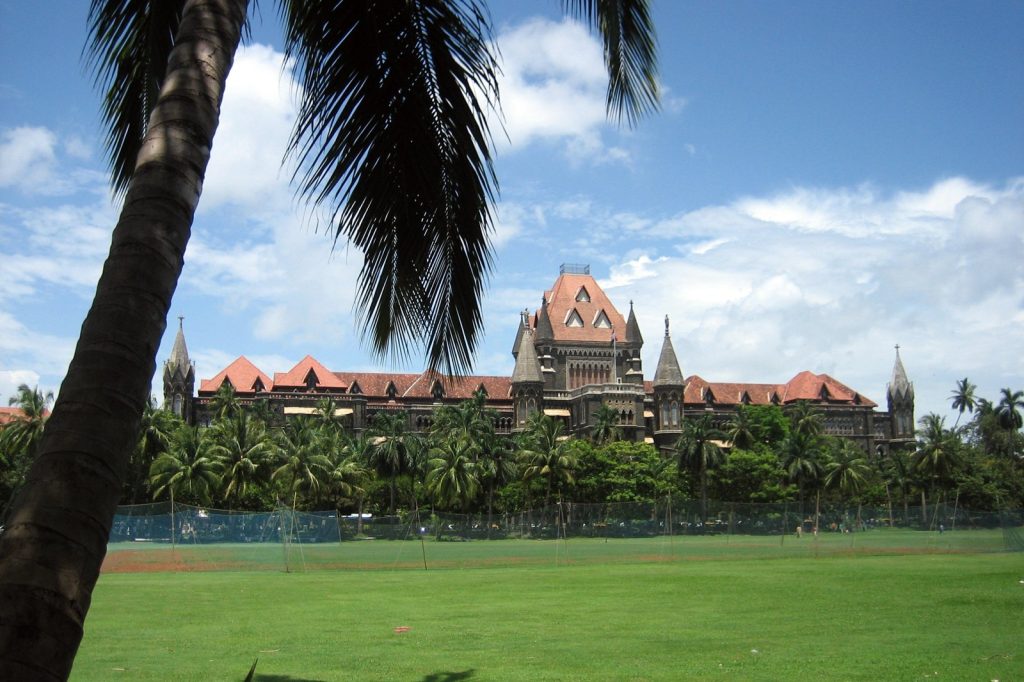
MUMBAI, July 28 — The Bombay High Court has reduced a maintenance award from ₹50,000 to ₹25,000, overturning a family court order from January 2025. The ruling, delivered under the High Court’s appellate jurisdiction, reinforces a core tenet of Indian family law: maintenance payments must be grounded in the financial capacity of both the paying party and the recipient, as well as the standard of living maintained during the marriage. The case operates under two key statutes.
Section 125 of the Code of Criminal Procedure, 1973, empowers a magistrate to order maintenance for a wife, children, and parents who cannot maintain themselves. The Hindu Adoption and Maintenance Act, 1956, governs maintenance obligations among Hindus.
The Bombay High Court’s appellate authority allows it to modify family court orders issued under these laws, a power it exercised in this instance.
The Legal Framework for Maintenance in India
India’s maintenance laws address the economic vulnerabilities that often follow family separation. Section 125 of the CrPC provides a summary remedy for dependents lacking means of support, offering a path for wives, children, and parents to seek financial assistance. The Hindu Adoption and Maintenance Act, 1956, adds a civil dimension specifically for Hindu families, codifying the duty of a husband to maintain his wife and of parents to maintain their children.
Together, these statutes form the legal foundation for maintenance claims across the country. The account indicates that the High Court’s decision highlights its power to consider additional financial obligations when calculating maintenance.
Specifically, the court took into account EMI payments — regular installments for loans or other financial commitments — as a factor that can affect a paying party’s capacity. This clarification broadens the range of financial circumstances that courts may weigh in maintenance disputes, introducing a more nuanced assessment of what a person can realistically afford. India’s maintenance jurisprudence has long sought to balance competing interests: the dependent’s need for support against the payer’s financial reality.
The standard of living enjoyed during the marriage serves as a benchmark, but it must be tempered by what the paying party can actually sustain. This case illustrates that tension in concrete terms.
High Court’s Appellate Review
The reduction from ₹50,000 to ₹25,000 — a halving of the original award — indicates the High Court found the family court’s January 2025 order inconsistent with the governing legal principles. The ruling reinforces the principle that maintenance must be based on both parties’ financial capacity and the standard of living during marriage, a standard the High Court determined was not properly applied in the initial proceeding. The Bombay High Court’s appellate jurisdiction under the maintenance statutes gives it a corrective role in family law.
By modifying the lower court’s order, the High Court signaled that trial-level family courts must adhere closely to the statutory requirement of proportionality. The decision does not name the parties, but the account indicates the court exercised its discretion under the law to reassess the evidence.
For those who follow Indian family law, this case offers a window into how higher courts refine the application of maintenance statutes. The High Court’s willingness to factor in EMI payments suggests a pragmatic judicial approach, one that acknowledges the complex financial obligations many individuals carry alongside maintenance responsibilities. Looking ahead, the ruling may influence how family courts in Maharashtra and other states under the Bombay High Court’s jurisdiction approach maintenance calculations.
Legal professionals will watch for further appellate rulings that clarify the criteria for assessing financial capacity, particularly when additional commitments such as EMIs are in play. The decision also underscores the importance of the appellate process in correcting what higher courts view as errors in trial-level orders, ensuring that maintenance awards align with both statutory intent and practical reality.