
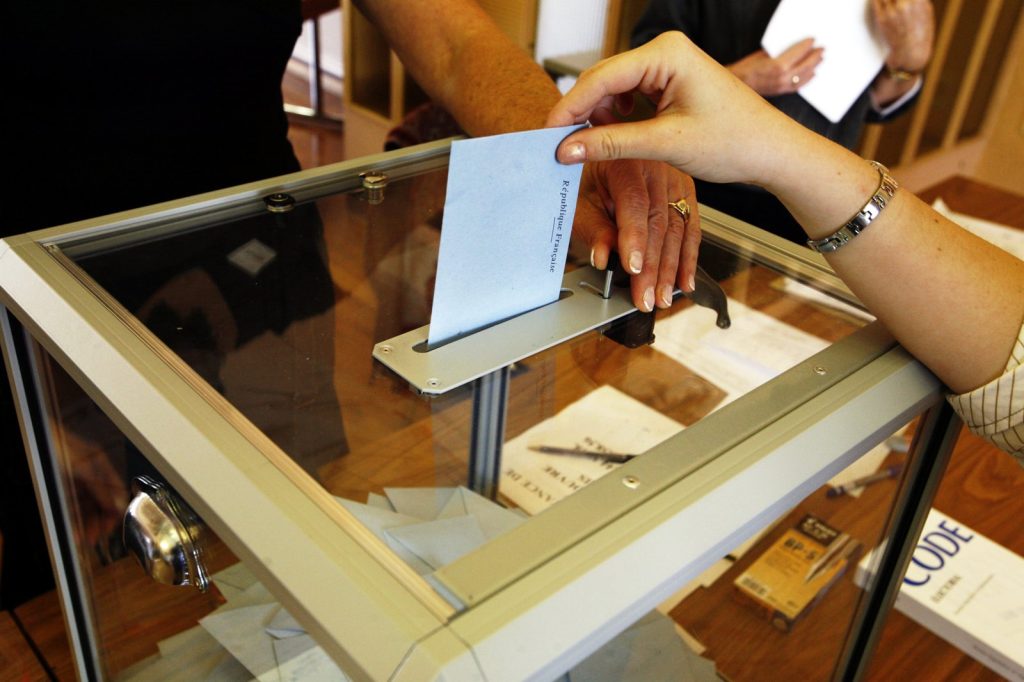
In 1948 the Universal Declaration of Human Rights said the will of the people should be the basis of a government’s authority. Article 21(3) added that this will must be expressed in “periodic and genuine elections” by universal and equal suffrage, held by secret vote or an equivalent free procedure.
The term covers the fairness of the whole voting process, and how well it guards against fraud and voter suppression. When elections fail that test, the damage goes past one result. People doubt the outcome, lose faith in the system and may vote less next time.
What counts as a clean election
There is no single agreed definition. The ACE Electoral Knowledge Network acknowledged the debate and then recommended the 2012 wording of the Kofi Annan Foundation: an election based on universal suffrage and political equality, as set out in international standards, and “professional, impartial, and transparent” from preparation through administration.
Article 25 of the 1966 International Covenant on Civil and Political Rights spelled out more. It calls for regular elections, voting rights that reach all sectors of society, one person one vote, the right to stand for office, and results that reflect the free expression of the people’s will.
Later documents went into detail. The Venice Commission’s 2002 Code of Good Practice in Electoral Matters describes what universal, equal, free, secret and direct suffrage means in practice, and the European Court of Human Rights has repeatedly cited it. The OSCE publishes an observer handbook. In 2021 the UN human rights office issued a revised handbook on elections.
These standards were endorsed by the UN General Assembly, by the OSCE, the Organization of American States and the African Union, and by UN member states. They apply to every country at every stage: before the campaign, during it, on polling day and after the count.
Who enforces them
Nobody, directly. The UN does not back any particular institutional design and leaves the choice to national sovereignty. It offers electoral assistance only when a member state asks.
Measuring compliance is contested too. The Electoral Integrity Project has surveyed academic experts every year since 2012, and some newspapers treat its scores as a trusted yardstick. Statistician Andrew Gelman called the results “an unstable combination of political ideology, academic self-promotion, credulous journalism, and plain old incompetence.”
A test case in India
India has more than 950 million eligible voters, and the question there goes beyond ballot boxes. The Election Commission of India runs national and state assembly elections. Critics question its autonomy and say it enforces norms unevenly, and reform proposals include fixed tenures for election commissioners.
Courts handle disputes, but verdicts can come so late that a challenge is still pending after the elected term ends. The electoral bond scheme, introduced in 2018, lets donors give to parties anonymously through the State Bank of India. Opposition parties and civil society groups challenged it in the Supreme Court, and the case has stayed pending despite repeated listings.
Sources
- Electoral integrity – Wikipedia
- Election Integrity in India: Safeguarding Democracy in the World's Largest Electoral System




