
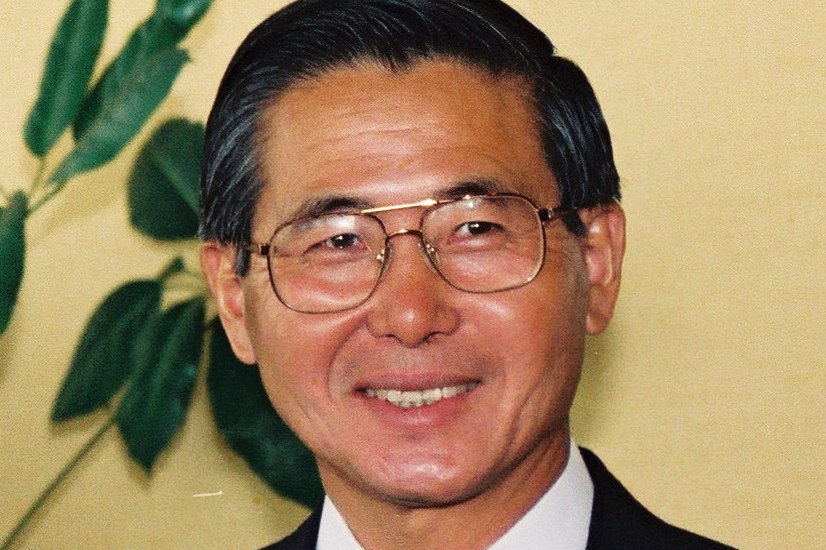
According to Spanish Wikipedia and local-language media reports, Alberto Kenya Fujimori Inomoto, the former President of Peru, was a significant figure in the country’s politics. Fujimori, a Peruvian-Japanese politician and agronomic engineer, served as the President of the Republic of Peru from July 28, 1990, until his removal by Congress on November 21, 2000. His tenure was marked by a civic-military dictatorship following the self-coup he led in 1992.
Fujimori’s regime was characterized by the imposition of drastic neoliberal reforms, the systematic use of propaganda, and endemic political corruption. Additionally, his government was responsible for grave human rights violations, for which he was later tried and convicted.
His supporters, however, credit him with halting the hyperinflation inherited from the previous government through the implementation of a severe economic adjustment known as the “Fujishock.” They also acknowledge his role in dismantling the terrorist organizations Sendero Luminoso and MRTA. These events are significant for English-speaking readers, who may not be familiar with the complexities of Peruvian politics, as they highlight the challenges of balancing economic stability with human rights and democratic institutions.
The fact that Fujimori’s government was able to implement drastic reforms and suppress terrorist organizations, but at the cost of democratic institutions and human rights, raises important questions about the trade-offs involved in pursuing economic and national security goals. As noted in the Spanish Wikipedia (source: https://es.wikipedia.org/wiki/Alberto_Fujimori), Fujimori’s legacy is complex and multifaceted.
Fujimori’s presidency was marked by a significant shift in Peru’s economic policies, with the implementation of neoliberal reforms aimed at stabilizing the economy. However, these reforms also had a profound impact on the country’s social and political landscape. The suppression of democratic institutions and the imposition of a new Constitution in 1993, designed to consolidate Fujimori’s power, are notable examples of the regime’s authoritarian tendencies.
The human rights violations committed during Fujimori’s regime are a critical aspect of his legacy. The systematic use of propaganda and the perpetration of grave human rights abuses have had a lasting impact on Peruvian society. The fact that Fujimori was later tried and convicted for these crimes underscores the importance of accountability and the rule of law in democratic societies.
As English-speaking readers consider the implications of Fujimori’s legacy, it is essential to recognize the complexities of Peruvian politics and the challenges of balancing competing priorities. The release of Fujimori from prison on humanitarian grounds, despite his human rights convictions, has sparked debate and controversy.
As the situation continues to unfold, it is crucial to monitor developments and consider the potential implications for Peru’s democratic institutions and human rights record. What to watch next is how Peru’s government and civil society respond to Fujimori’s release and the ongoing legacy of his regime. Will the country continue to grapple with the consequences of his authoritarian rule, or will it find a way to reconcile its past and move forward?
As the situation evolves, it is essential to remain informed and engaged, recognizing the significance of this story for Peru and the broader region.




