
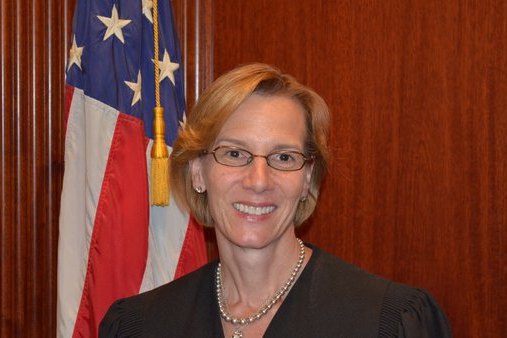
SAN FRANCISCO, July 11 — The legal battle between Apple and OpenAI has a familiar face at the helm for the iPhone maker: Katherine B. Forrest, a former federal judge who now serves as Apple’s lead attorney in the lawsuit. Forrest, born in 1964, brings a particular technical reality to the courtroom — she knows exactly how trade secret cases work under the hood, having spent years on both the bench and the prosecution side.
Forrest is a partner at Gibson, Dunn & Crutcher, the law firm representing Apple. She joined Apple’s legal team in 2023 as Vice President of Litigation, a move that signaled the company’s intent to get serious about protecting its intellectual property from former employees who might carry secrets to competitors.
Her strategy in this case, as ever, will focus on proving that OpenAI had access to Apple’s confidential documents through former employees.
From the bench to the boardroom
Before joining Apple, Forrest served as a United States District Judge for the Southern District of New York from 2011 to 2018, appointed by President Barack Obama. Prior to her judgeship, she was a federal prosecutor in the same district, handling white-collar crime cases. That background gives her an unusual vantage point: she has seen how evidence of document theft plays out from the judicial side, and now she gets to build the case from the plaintiff’s side.
The detail that matters here is her experience in trade secret litigation. Forrest represented Google in a 2020 dispute with Uber, a case that involved allegations of confidential documents being taken by former employees.
That case set a precedent for how tech companies can pursue claims against rivals who hire away key staff — and the parallels to the current OpenAI lawsuit are not lost on observers.
The Apple-OpenAI dispute
Apple’s lawsuit against OpenAI centres on allegations that the artificial intelligence company improperly obtained Apple’s confidential documents. Forrest’s job is to demonstrate a chain of custody: that former Apple employees who joined OpenAI brought proprietary information with them, and that OpenAI used that information to build its products. Forrest has extensive experience in trade secret cases, and her approach will likely involve forensic analysis of document access logs, email trails, and deposition testimony from former employees.
The technical reality of proving such a case is painstaking — it requires showing not just that documents were accessed, but that they were used in a way that harmed Apple. As the case moves forward, the key question is whether Forrest can establish that OpenAI’s access to Apple’s documents was not accidental or incidental, but deliberate and systematic.
Her track record suggests she will pursue that line with the precision of a former prosecutor who knows exactly what evidence a judge will want to see.




